16 min read  •  14 min listen

Breaking the Colonial Yoke

How Anti-Colonial Revolutions Changed the World

Breaking the Colonial Yoke

AI-Generated

April 29, 2025

What happens when ordinary people decide they've had enough of foreign rule? This tome takes you inside the bold movements, big ideas, and unforgettable moments that toppled empires and changed the world. Get ready to meet the thinkers, fighters, and dreamers who broke the chains—and see how their struggles still shape our lives today.


Ideas That Lit the Fuse
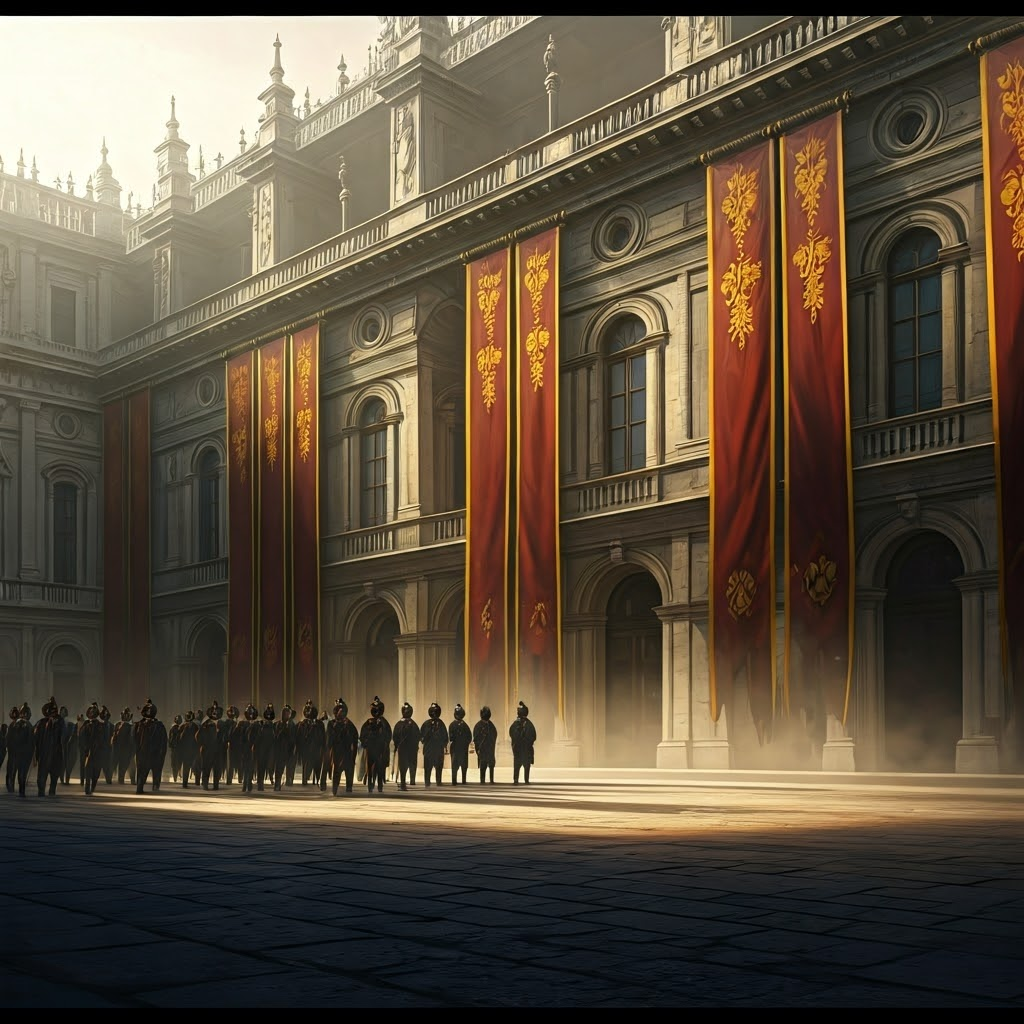
Majestic palace facade showing hairline cracks that hint at decay and unrest, illustrated in dramatic post-apocalyptic baroque style.

Empires look solid—flags, armies, grand ceremonies—but cracks form when people see more reasons to resist than to obey. European powers once seemed invincible; their promises of order hid daily exploitation. When hunger, humiliation, and unfair rules pile up, even the mightiest empire stands on sand.
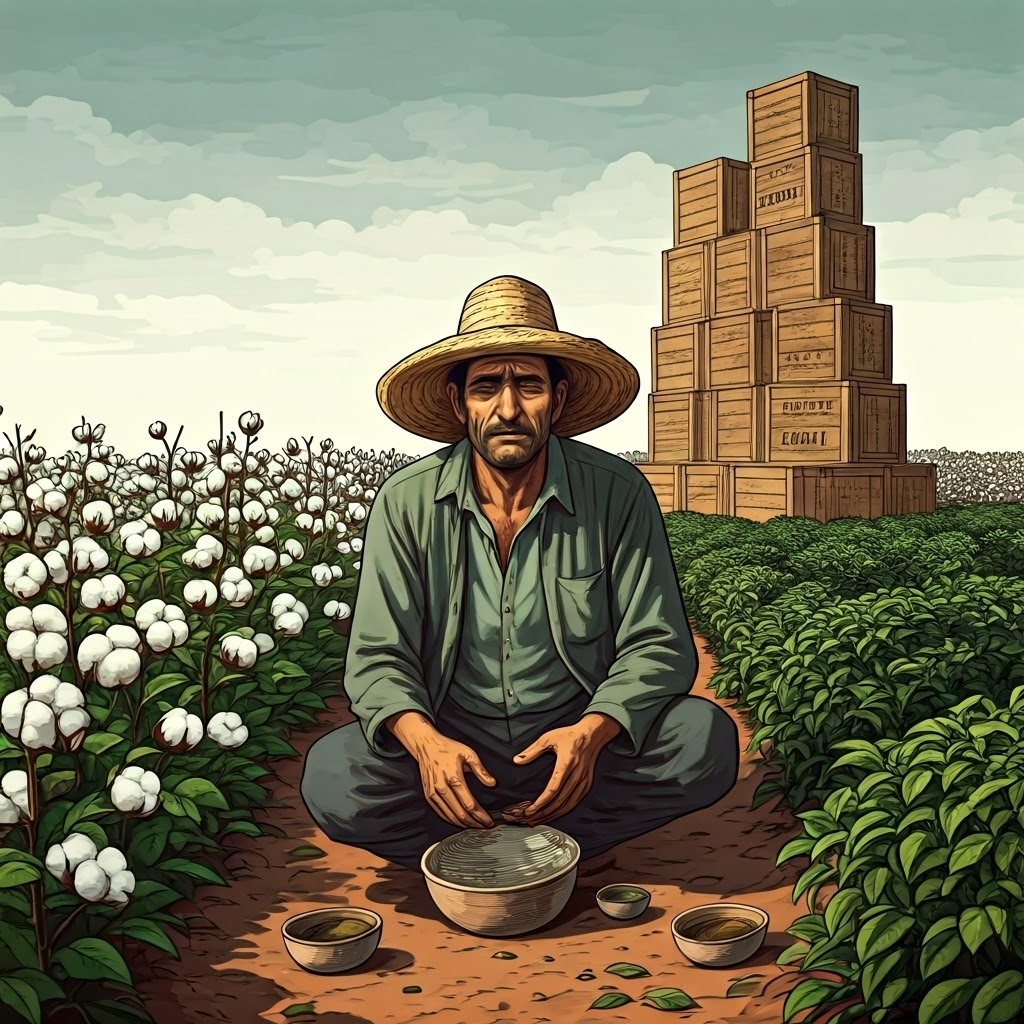
Exhausted farmer amid cotton and tea rows, empty bowls at his feet while export crates tower behind him under a gloomy sky.

Forced cash-crop farming caused famine and broke local economies. World wars deepened the pain. Soldiers from India or Vietnam returned with new ideas about freedom, only to face the same old hardship. When basic needs go unmet and dignity erodes, loyalty evaporates.

Theories That Shook the World
Floating cracked book releasing light over crumbling columns, surrounded by graffiti-like slogans.

Sometimes ideas strike harder than armies. A few thinkers exposed the myths empires told, giving people tools to question power and dream of change.
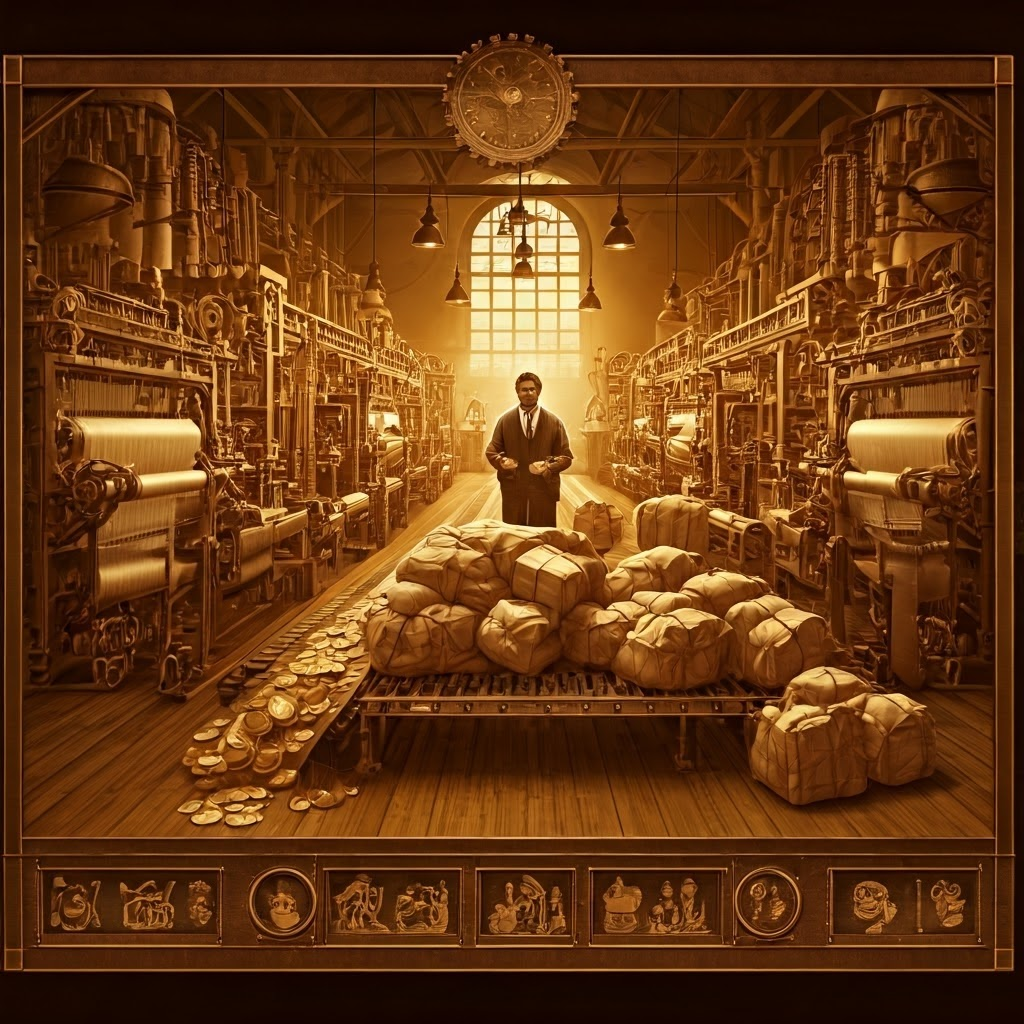
Steampunk factory overflowing with goods while a businessman counts coins under warm lamps.

John Hobson argued that imperialism served profit. Europe overproduced, so elites pushed goods overseas and squeezed colonies for resources. Colonial rule, he said, was less about civilization and more about selling surplus at someone else’s expense.

Collage of banknotes, oil rigs, and smokestacks looming over small towns in bold constructivist style.

Vladimir Lenin called imperialism the terminal stage of capitalism. Giant firms and banks, trapped by limited home markets, carved up foreign lands. He predicted revolts would ignite in colonies where poverty and anger ran deep, inspiring figures like Ho Chi Minh.
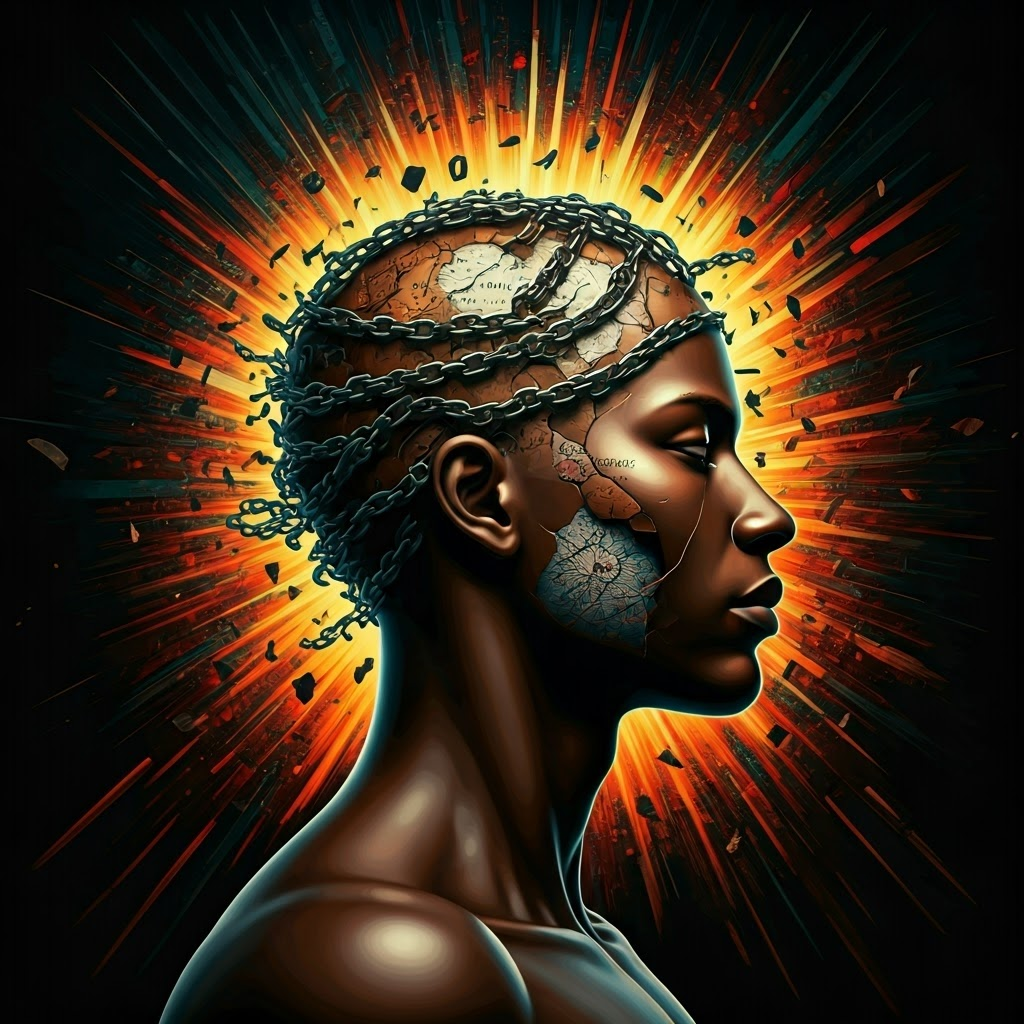
Shattered silhouette bound by chains of letters and maps, vibrant colors bursting through Afro-futurist patterns.

Frantz Fanon showed that colonialism wounded the mind. It erased language, pride, and identity, leaving long-lasting feelings of inferiority. True liberation, he insisted, had to break psychological chains as well as political ones.

From Words to Action
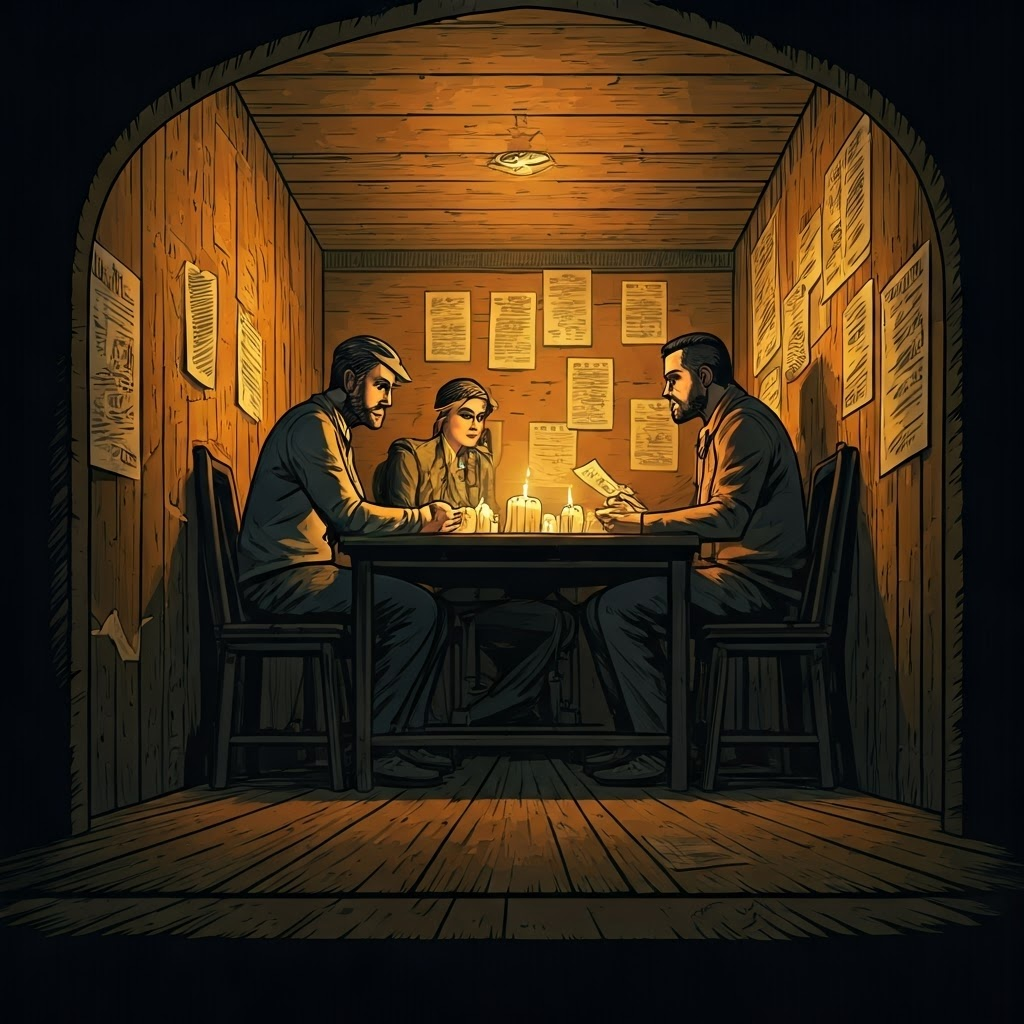
Candlelit room where people share secret leaflets under peeling government notices.

Ideas left books and entered cafés, village squares, and hidden rooms. In India, readers of banned texts turned Hobson’s economic critiques into mass campaigns like the Salt March, proving ordinary people could defy imperial control.
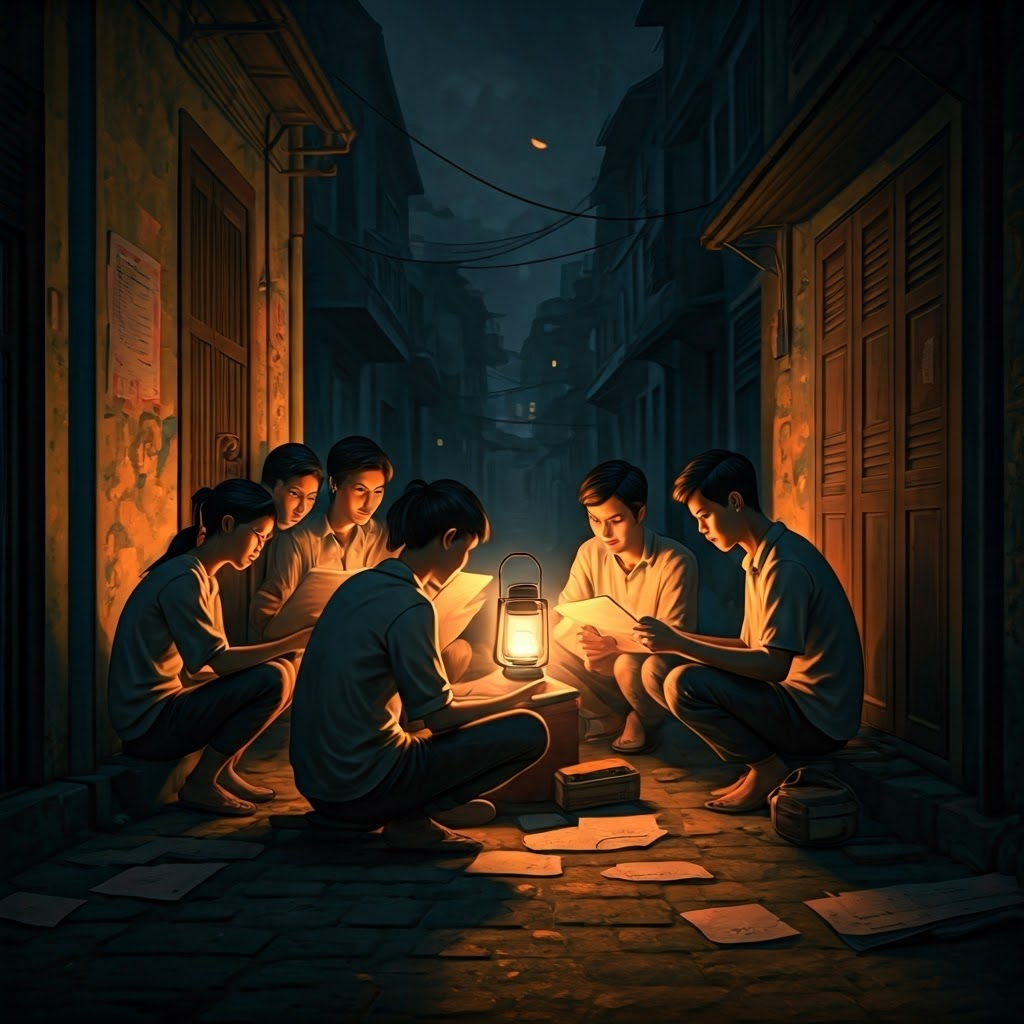
Vietnamese activists reading by lantern light in a narrow alley, notes scattered on a low table.

In Vietnam, Lenin’s words spurred young radicals to form study groups and underground papers. Their planning evolved into a nationwide struggle. In Algeria, Fanon’s focus on mental freedom made language itself a battleground.
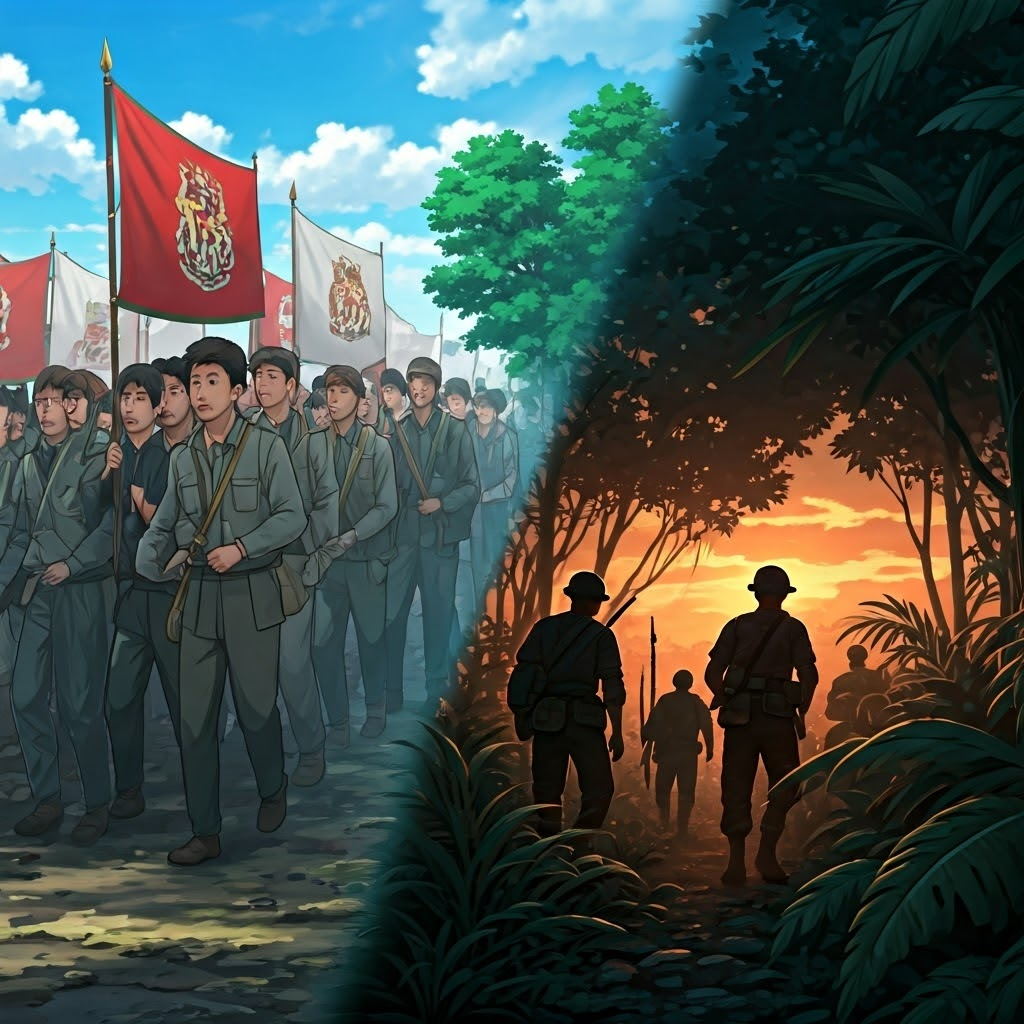
Split screen of peaceful marchers and guerrilla fighters blending into one scene with dynamic anime energy.

Movements debated tactics. Some chose nonviolence—marches and strikes. Others believed only armed resistance could break chains. Whether in Gandhi’s marches or Viet Minh jungles, the shared spark was the demand for independence.

The Fuse Was Lit—Now What?
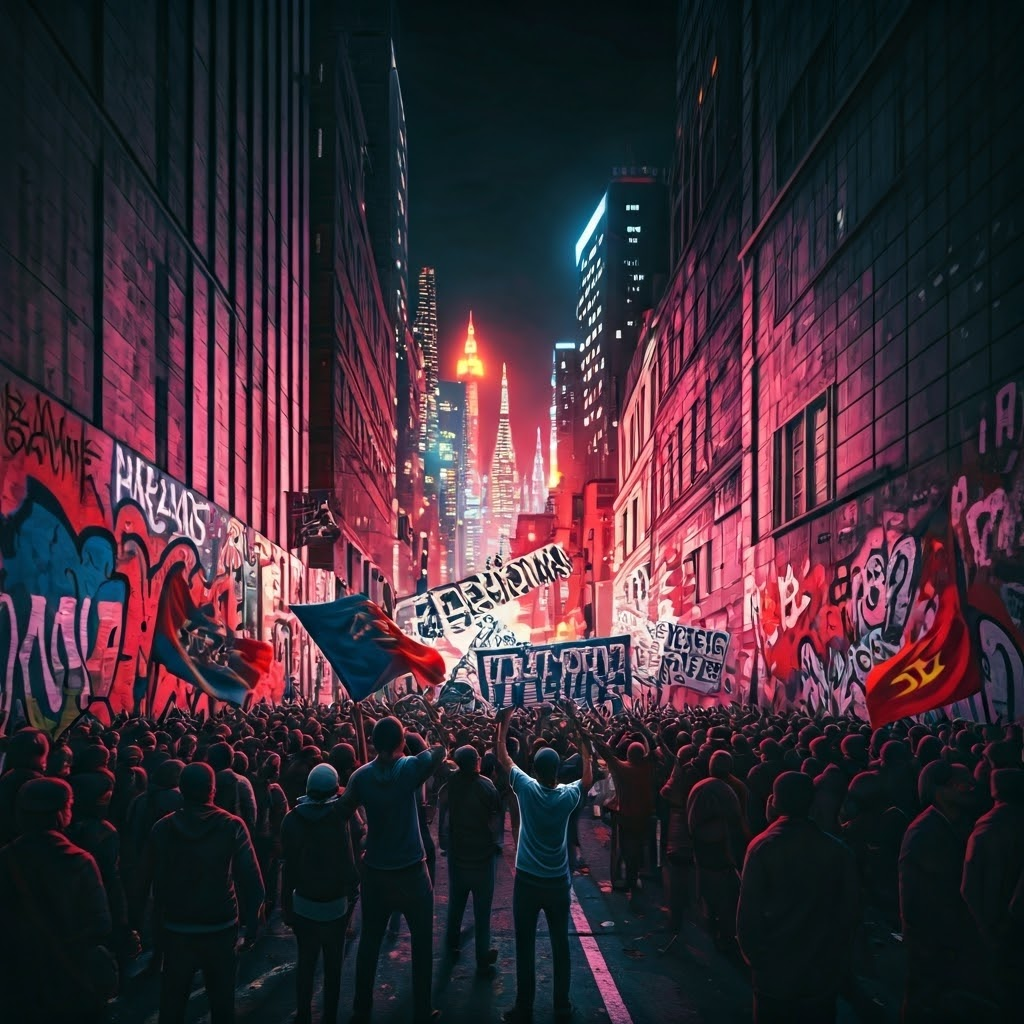
Urban walls covered with vibrant freedom murals, protesters waving flags under neon lights.

By mid-century, millions no longer asked for kinder rulers; they wanted a new world. Revolts spread from Delhi to Algiers, and empires lost the story that justified them. Breaking habits of obedience, people learned to hope—and that struggle still echoes today.


Tome Genius

Revolutions That Shaped Modernity

Part 8

Tome Genius

Cookie Consent Preference Center

When you visit any of our websites, it may store or retrieve information on your browser, mostly in the form of cookies. This information might be about you, your preferences, or your device and is mostly used to make the site work as you expect it to. The information does not usually directly identify you, but it can give you a more personalized experience. Because we respect your right to privacy, you can choose not to allow some types of cookies. Click on the different category headings to find out more and manage your preferences. Please note, blocking some types of cookies may impact your experience of the site and the services we are able to offer. Privacy Policy.
Manage consent preferences
Strictly necessary cookies
Performance cookies
Functional cookies
Targeting cookies

By clicking “Accept all cookies”, you agree Tome Genius can store cookies on your device and disclose information in accordance with our Privacy Policy.

00:00