

Fuel for Thought: How Food Powers Your Brain
Your brain runs nonstop, yet it weighs only about three pounds. It still uses roughly 20% of your body’s energy—even when you rest.
Glucose: The Brain’s Favorite Snack

Glucose fuels every mental spark. When blood sugar drops, focus fades and mood slips. A candy rush feels good for minutes, then crashes. Whole grains, beans, and fruit release glucose slowly, keeping thinking clear. Students who ate oats for breakfast out-performed classmates who skipped or grabbed pastries. Oatmeal with nuts or brown rice and lean protein offers steady power.
Omega-3s: Building Blocks for Brain Cells
Your brain’s soft feel comes from flexible cell membranes rich in DHA, a key omega-3. Adequate DHA lets signals zip smoothly. Fatty fish—salmon, sardines, mackerel—supply most DHA. Walnuts, flax, and chia help, yet convert poorly, so plant-based eaters may add microalgae supplements. Regular fish meals link to slower brain aging and brighter mood.
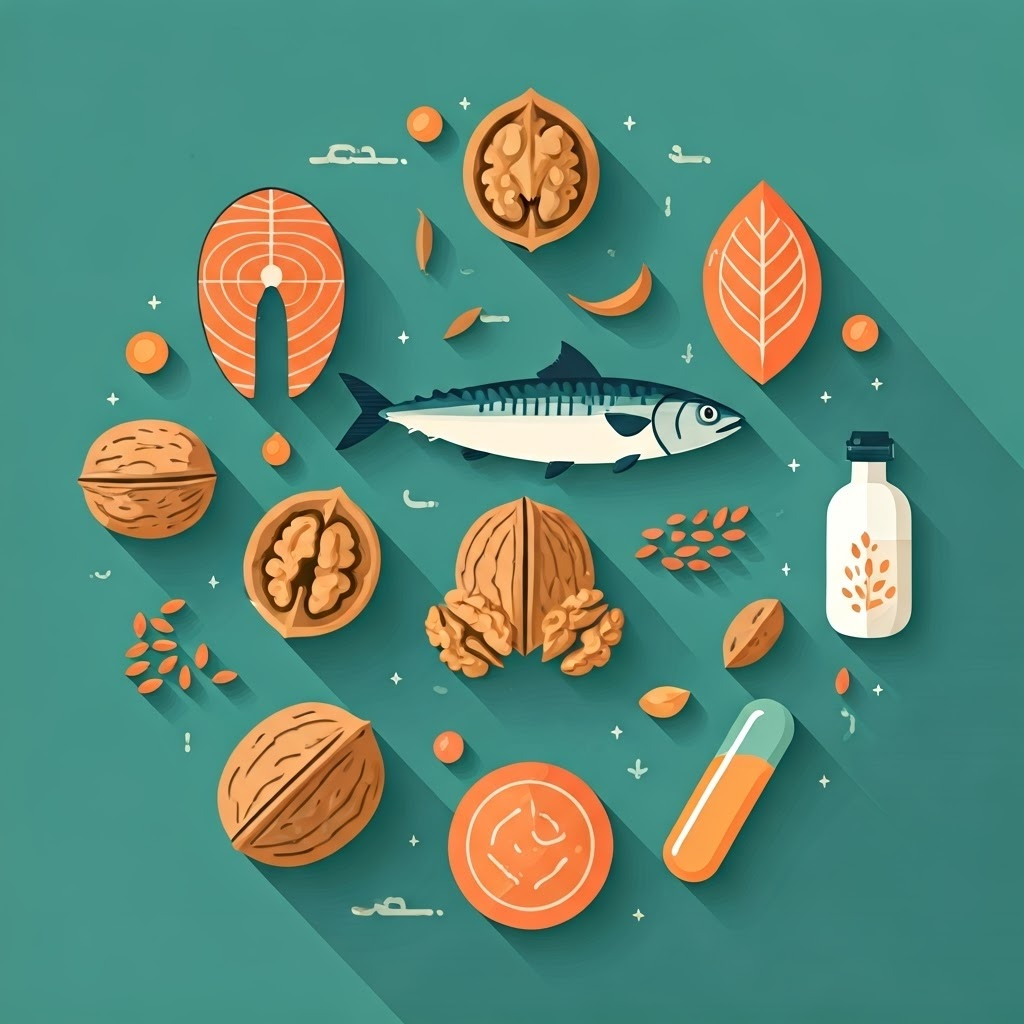
Swap tuna for ham, or sprinkle walnuts on salad. Small shifts keep your mental gears well oiled.
B-Vitamins: The Brain’s Chemical Helpers
Neurotransmitters move messages at lightning speed. B6, B12, and folate act like factory workers that build these messengers. Low levels cause fog and fatigue. Leafy greens, beans, eggs, dairy, chicken, and whole grains deliver steady support. Vegans and older adults often need extra B12 because absorption drops with age.

A spinach omelet or lentil soup can sharpen memory well into later years.

How Food Shapes Focus
Start the day with protein, healthy fat, and slow carbs, such as Greek yogurt with berries and nuts. This mix drips glucose, B-vitamins, and omega-3s to keep attention steady. Mid-afternoon, reach for carrot sticks with hummus or a hard-boiled egg on whole-grain bread. Smart snacks prevent the spike-and-crash that wipes out patience.
Quick Wins for a Brain-Boosting Plate
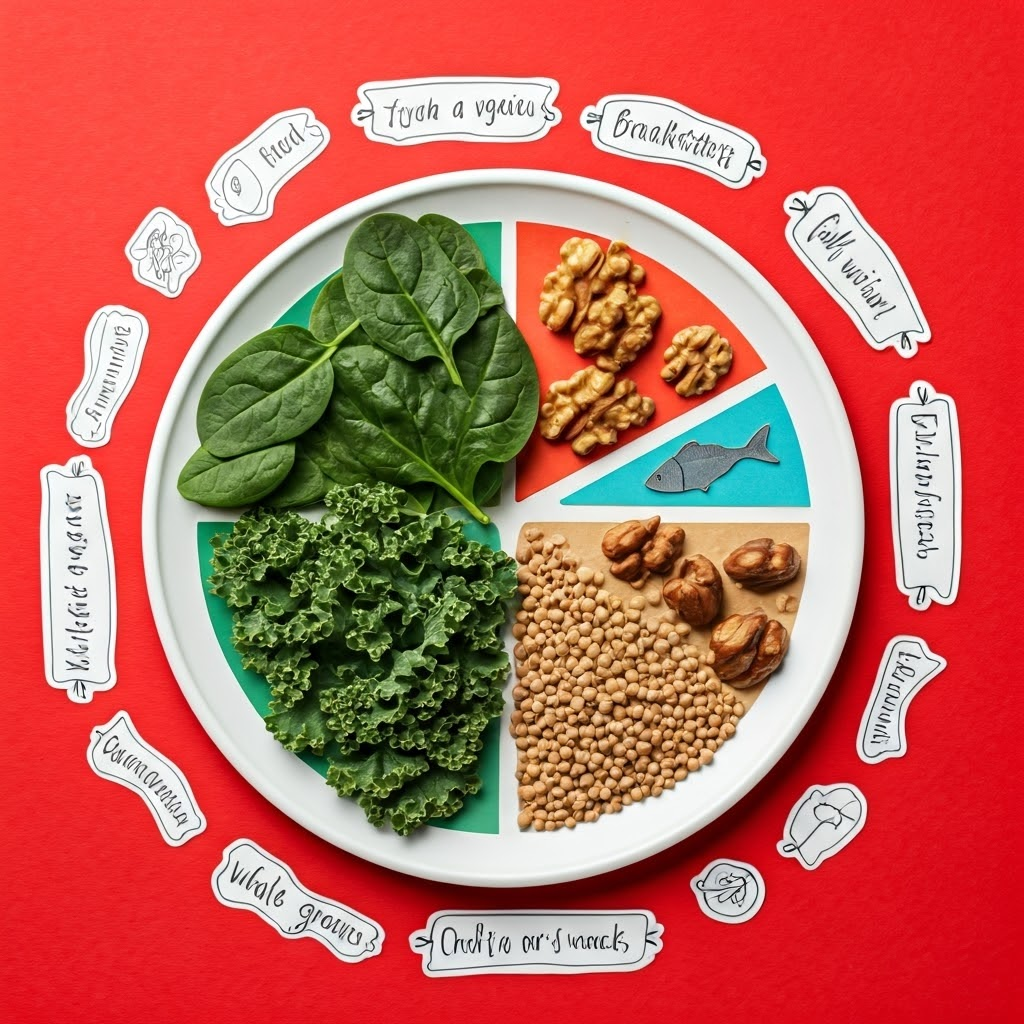
- Balanced breakfast: Oats, eggs, whole-grain toast, or yogurt jump-start clear thinking.
- Fish or walnuts twice weekly keep membranes flexible.
- Colorful veggies fill half the plate for extra B-vitamins.
- Choose whole grains so glucose releases slowly.
- Pair protein with complex carbs for lasting snack energy.
- Notice how meals affect mood—your body offers the best feedback.
Treat food as raw material for your next bright idea. Nourish your brain, and it will return clarity, energy, and resilience every day.
