
Your Brain’s Daily Support Crew
Meet Your Brain’s Helpers
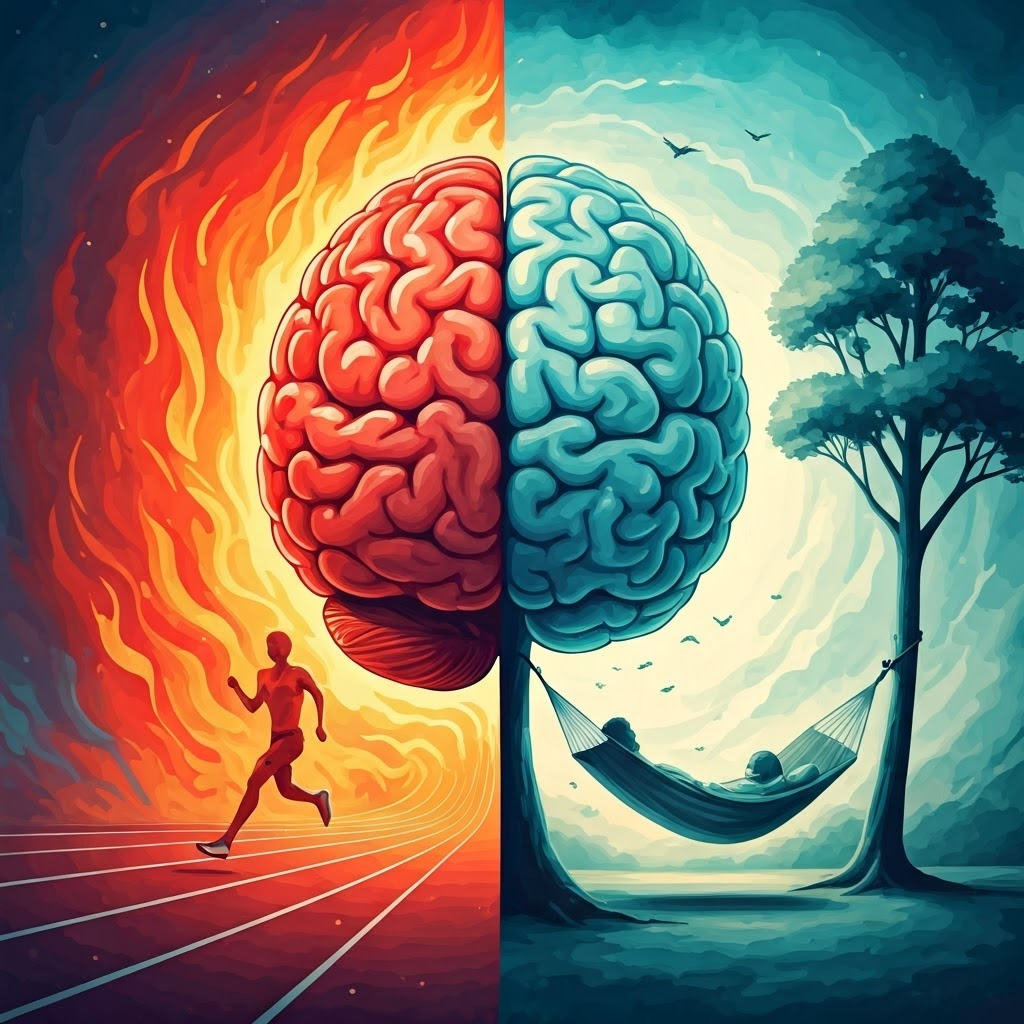
Your brain is a busy hub, but it never works alone. It relies on a network called the autonomic nervous system to switch between bursts of action and moments of rest, keeping you ready for whatever comes next.
Think of this system as two pedals in a car. The sympathetic branch is the gas pedal that raises your heartbeat and primes your muscles when you must act fast. The parasympathetic branch is the brake that slows everything down so you can recover and rebuild.

All day your body swaps between gas and brake. A sudden crash outside triggers the sympathetic surge that sharpens your senses. Later, sinking into the couch after dinner lets the parasympathetic flow in, helping digestion and relaxation.
Staying on the gas too long drains energy and raises stress. Riding the brake nonstop leaves you sluggish. A steady back-and-forth keeps you balanced and responsive.
The Hypothalamus: Your Inner Regulator
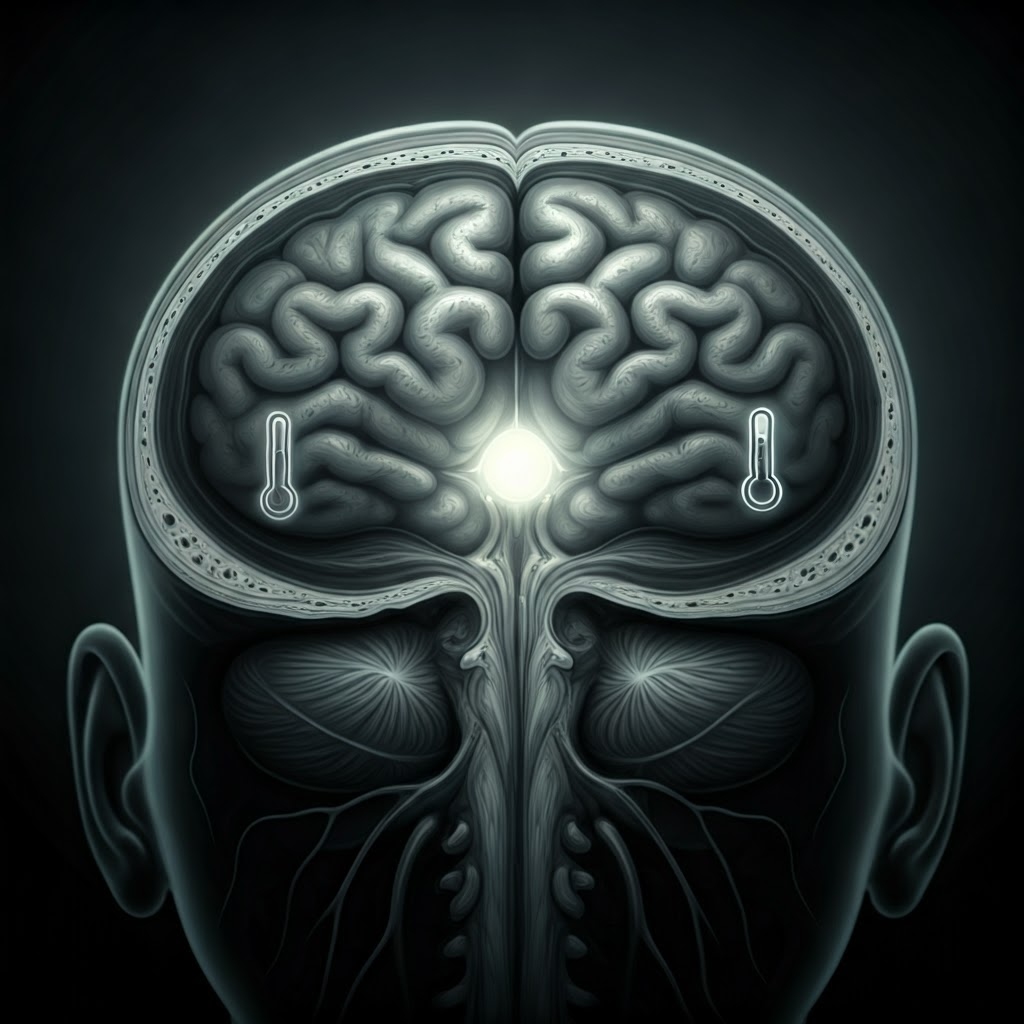
Deep inside sits the pea-sized hypothalamus. Despite its size, it tracks hunger, thirst, and temperature, sending clear signals when something needs fixing.

Picture a sweltering day on the court. As sweat drips, a sharp need for water hits you. That urge is the hypothalamus warning that fluid levels are low.
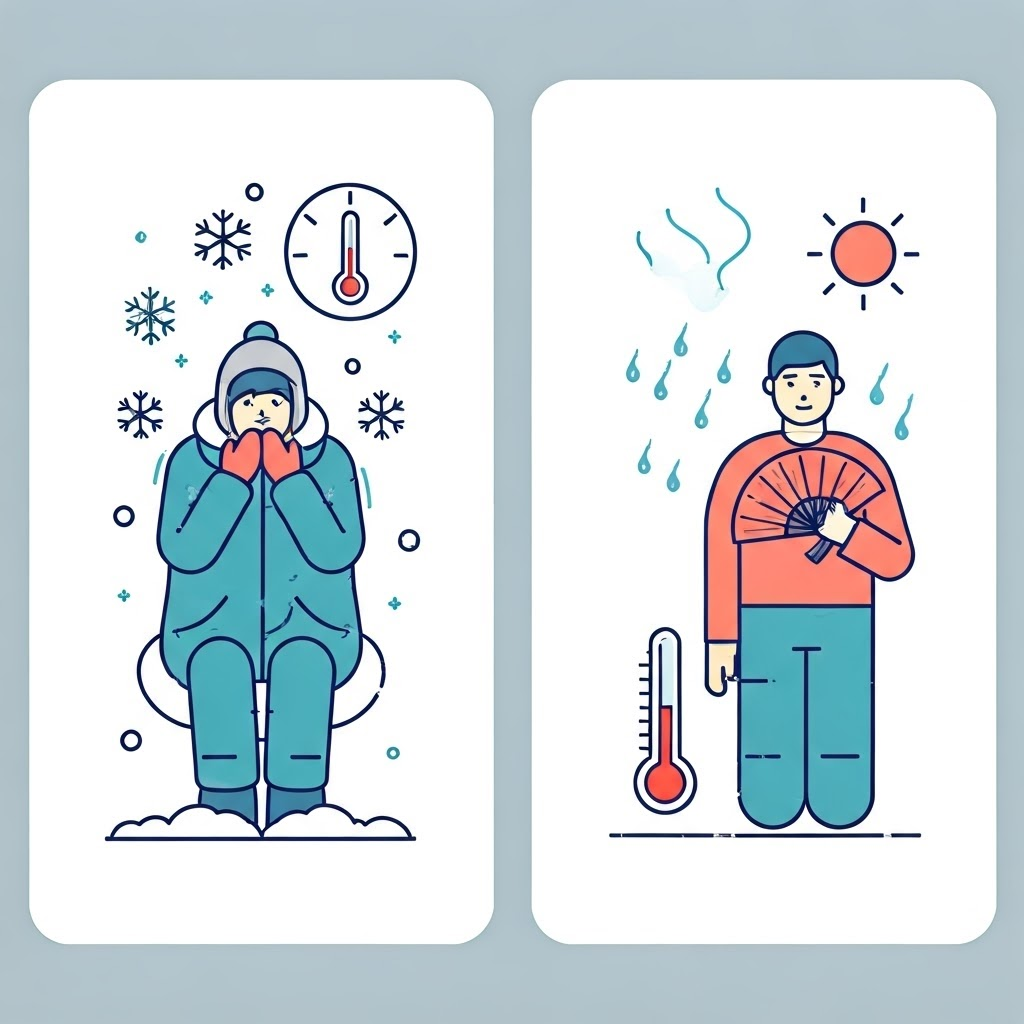
When blood sugar drops, hunger pangs appear. Step into winter chill and you shiver; walk into summer heat and you sweat. The hypothalamus is your thermostat, always nudging you back to a safe zone.

Why All This Balancing?
Every signal aims for homeostasis—steady internal conditions that keep you clear-headed and comfortable. Ignore them too long and fatigue, brain fog, or even injury set in. Listening is not weakness; it is routine maintenance for your mind and body.
Your Body Clock: Circadian Rhythms
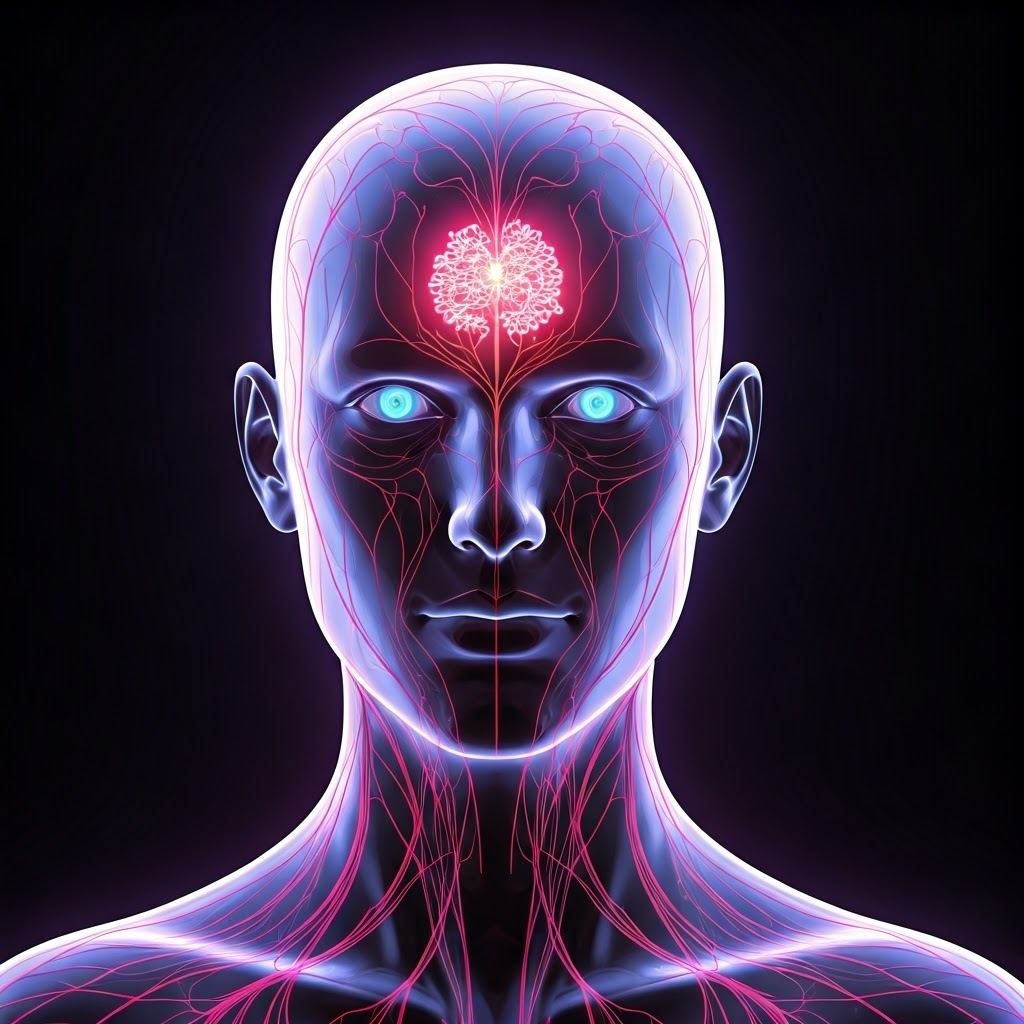
Another helper is the circadian rhythm, the cellular clock that guides sleep, hunger, and alertness. At its center sits the suprachiasmatic nucleus, which reads light from your eyes and sets the pace for the entire body.

When the Clock Gets Off-Beat
Late-night screens, night shifts, or long flights can knock this clock off track, leaving you groggy and irritable. A stable sleep schedule and early sunlight help reset the rhythm.
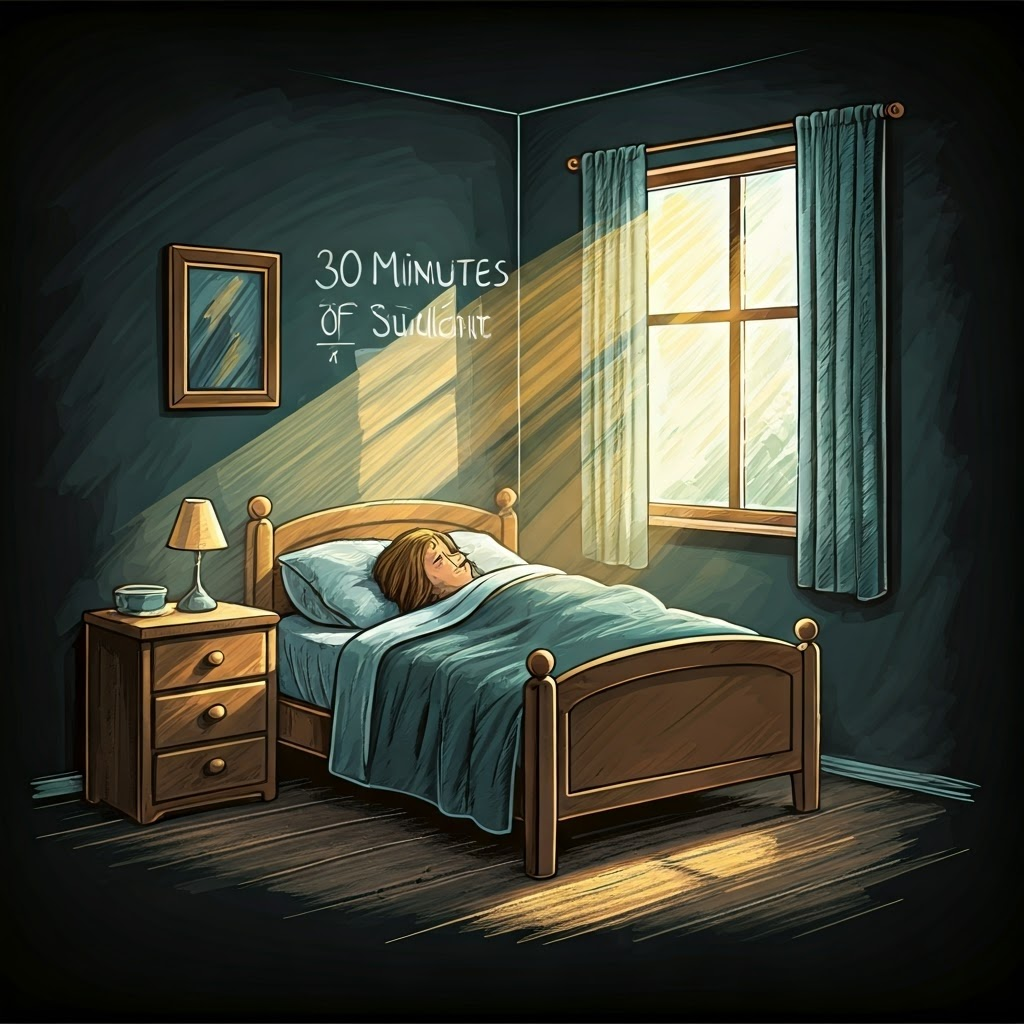
Just thirty minutes of morning light often sharpens focus and improves sleep quality.
A balanced brain is not about sheer willpower. It is the quiet teamwork of automatic nerves, the hypothalamus, and your body clock. Respecting their cues—slow breathing, timely meals, and daily sunlight—keeps your inner crew synced and you feeling steady.
