19 min read  •  13 min listen

Blocks & Chains

How strangers built the world’s most honest ledger

Blocks & Chains

AI-Generated

April 28, 2025

Ever wondered how a bunch of strangers can agree on the same digital truth without a boss in sight? Peek inside the world of blocks, chains, and cryptography, and see how a simple idea changed money, trust, and the internet forever.


The Spark: Why Blocks and Chains?

Sending money online feels natural, yet we never see the cash move. Digital dollars are just data, and data can be copied or faked. Without care, someone could spend the same coin twice. That risk kept society tied to banks as trusted record-keepers.

Person using smartphone as digital coins flow through neon network, illustrating invisible online money transfer

Banks solve the problem by updating private ledgers, but fees, delays, and mistakes follow. Many people dream of online cash that skips middlemen and works anytime, anywhere. For decades, no one found a safe way to do that.

The Double-Spend Dilemma

A photo stays with you when you share it. If money worked the same way, value would vanish. This danger—called the double-spend problem—blocked every early digital-cash idea. Systems like DigiCash used smart math yet still leaned on one company, creating a single point of failure.

Single coin splitting into duplicates against glitchy background, showing risk of copying digital money

Central points attract hackers, legal pressure, and shutdowns. People wanted a method where strangers could agree on balances without trusting a boss.

Two hands each receive identical coin from cracked ledger, highlighting double-spend threat to trust

Imagine coins zipping across the globe without a hub. That vision pushed researchers to keep digging—even after many failures.

Low-poly globe with coins crossing borders freely, envisioning bank-free global transactions

Satoshi’s Solution

In 2008 a mysterious author named Satoshi shared a nine-page paper describing Bitcoin. The plan bundled transactions into blocks, chained those blocks with cryptographic fingerprints, and let thousands of computers verify everything—no bank required.

Hooded figure at computer surrounded by linked glowing blocks, representing Bitcoin’s mysterious creator

Picture a global, time-stamped notebook. Each page links to the last with a unique hash. Change one line, and every later page breaks—alerting the network at once.

Massive floating ledger linked by shining chains above crowd, symbolizing shared blockchain record

The blockchain replaces personal trust with math and open verification. Anyone can send money to a stranger, confident that double-spending is impossible.

Infographic of hexagonal nodes forming a chain, emphasizing decentralized verification

Key Voices and Early Days

Bitcoin launched in 2009 to little fanfare. A small group of technologists and dreamers noticed its potential. Educators like Andreas Antonopoulos explained that “Bitcoin asks for verification, not trust,” while authors such as Don Tapscott linked blockchains to a fairer internet.
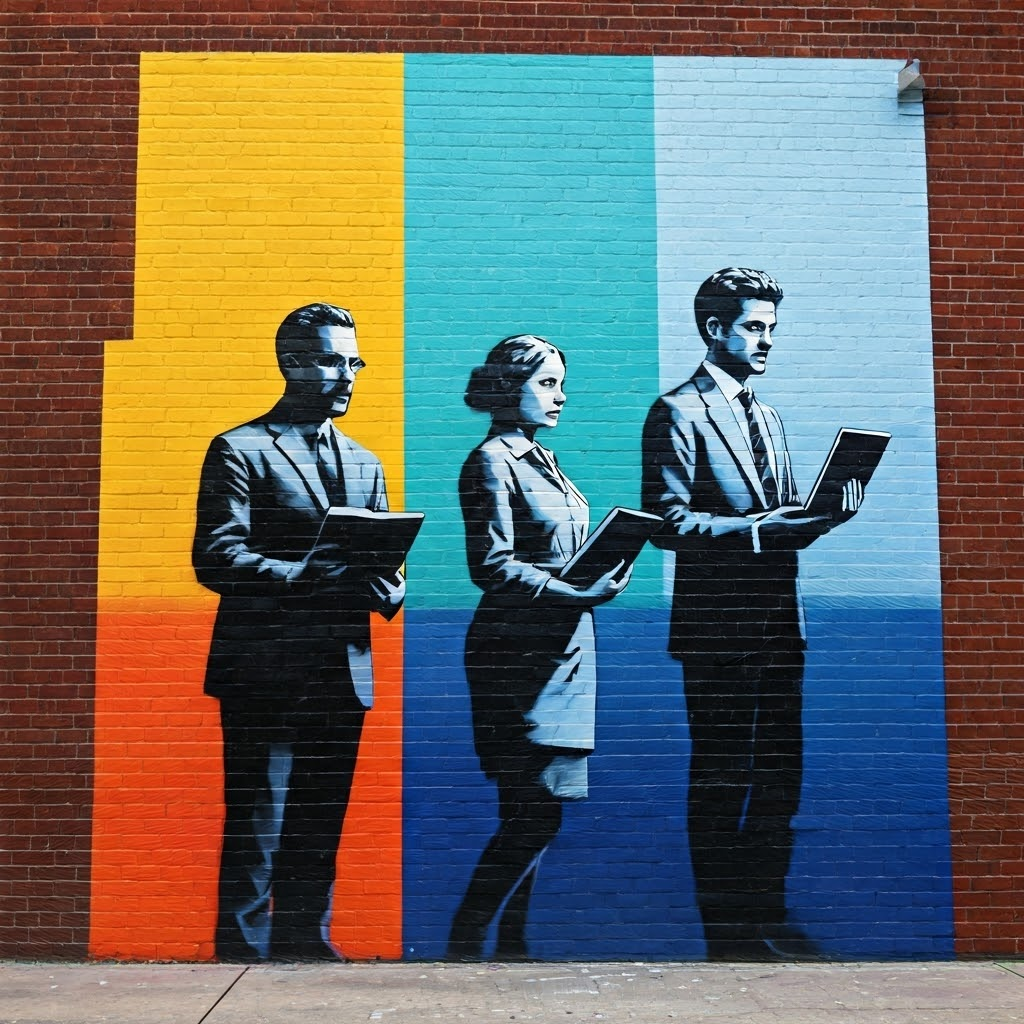
Street-art mural of blockchain pioneers with laptops, celebrating early advocates

Early users mixed curiosity with play. One famously bought pizza for 10,000 bitcoins—then worth pennies. Their experiment showed that strangers could now agree on digital truth without a referee. The story of blocks and chains is still unfolding.


Comic scene of paying pizza with glowing coins, capturing playful early Bitcoin moment


Tome Genius

Blockchain & Decentralized Systems

Part 1

Tome Genius

Cookie Consent Preference Center

When you visit any of our websites, it may store or retrieve information on your browser, mostly in the form of cookies. This information might be about you, your preferences, or your device and is mostly used to make the site work as you expect it to. The information does not usually directly identify you, but it can give you a more personalized experience. Because we respect your right to privacy, you can choose not to allow some types of cookies. Click on the different category headings to find out more and manage your preferences. Please note, blocking some types of cookies may impact your experience of the site and the services we are able to offer. Privacy Policy.
Manage consent preferences
Strictly necessary cookies
Performance cookies
Functional cookies
Targeting cookies

By clicking “Accept all cookies”, you agree Tome Genius can store cookies on your device and disclose information in accordance with our Privacy Policy.

00:00