16 min read  •  14 min listen

Blitzkrieg and Early Axis Triumphs

How Speed, Surprise, and New Tactics Shocked the World

Blitzkrieg and Early Axis Triumphs

AI-Generated

April 29, 2025

How did a handful of nations sweep across Europe and North Africa with such speed? Discover the secrets behind the Axis powers’ early victories, the shockwaves they sent through the world, and the lessons that shaped the rest of the war.


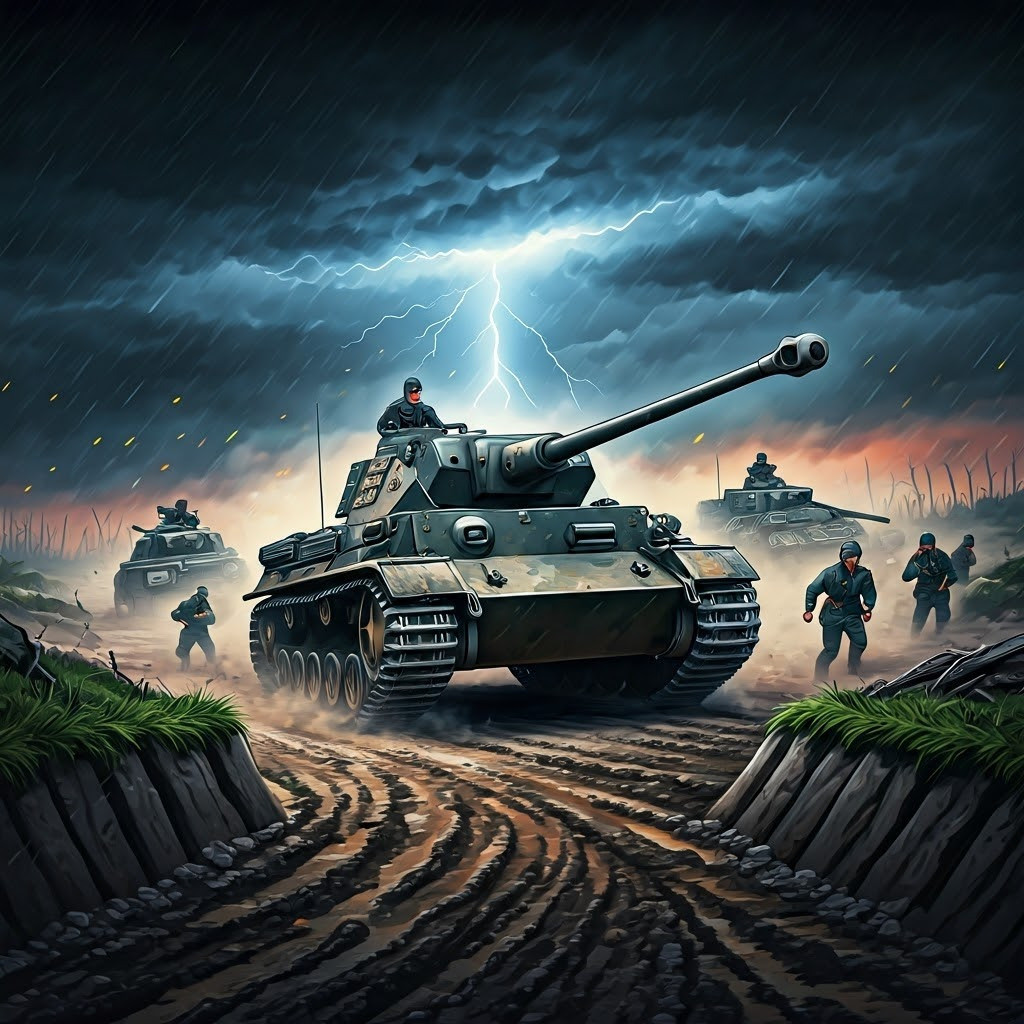
German WWII tanks charge through muddy trenches under stormy dawn skies, capturing the speed and tension of a lightning-fast assault.

Lightning Strikes: The Blitzkrieg Revolution

Blitzkrieg means lightning war. It hit hard and moved fast, stopping the enemy from regrouping.

The Germans merged tanks, infantry, and planes into one force. Panzers punched gaps, the Luftwaffe bombed rear areas, and radios kept units in sync. Infantry followed the armor, clearing pockets of resistance. Everyone advanced together, always seeking weak spots.
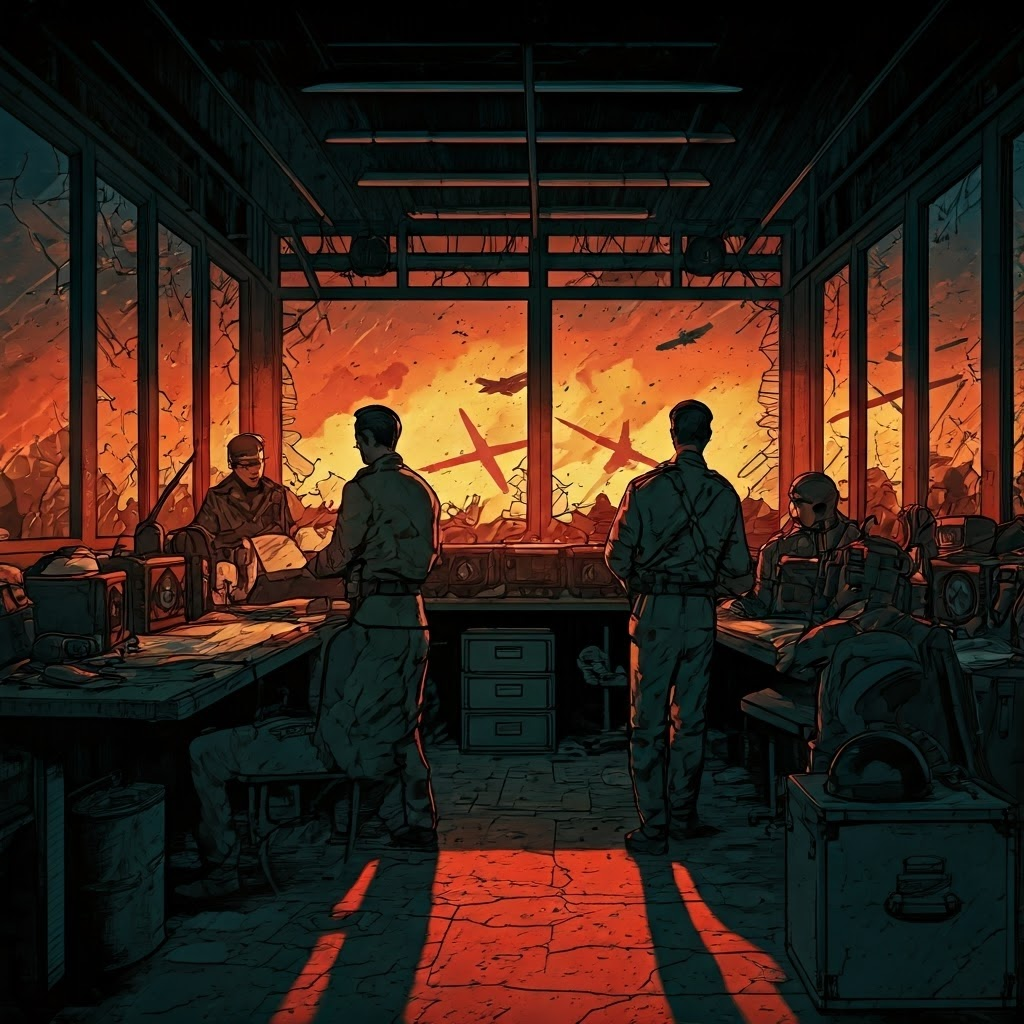
Generals huddle over glowing maps in a bunker while radio operators relay urgent orders, illustrating split-second wartime decisions.

What Made Blitzkrieg So Fast?

Blitzkrieg relied on surprise and quick decisions instead of slow artillery build-ups. In Poland, cities fell within days, leaving the Polish army disoriented. France and Britain watched as old defensive ideas collapsed under this new tempo.
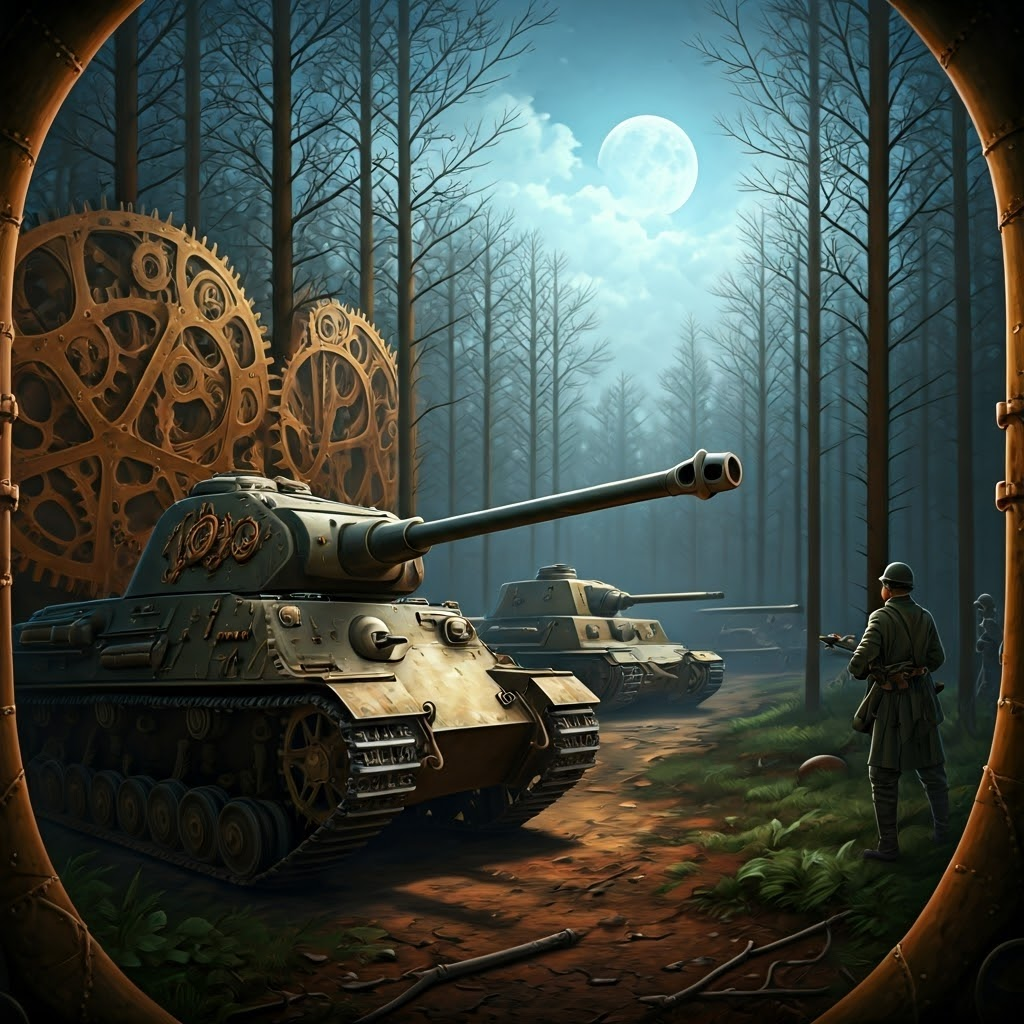
German armor slips through the dense Ardennes while massive French forts sit idle, underscoring strategic surprise.

The Fall of France: Speed Meets Surprise

France trusted the Maginot Line. German tanks bypassed it, racing through the Ardennes—terrain French leaders thought impassable.
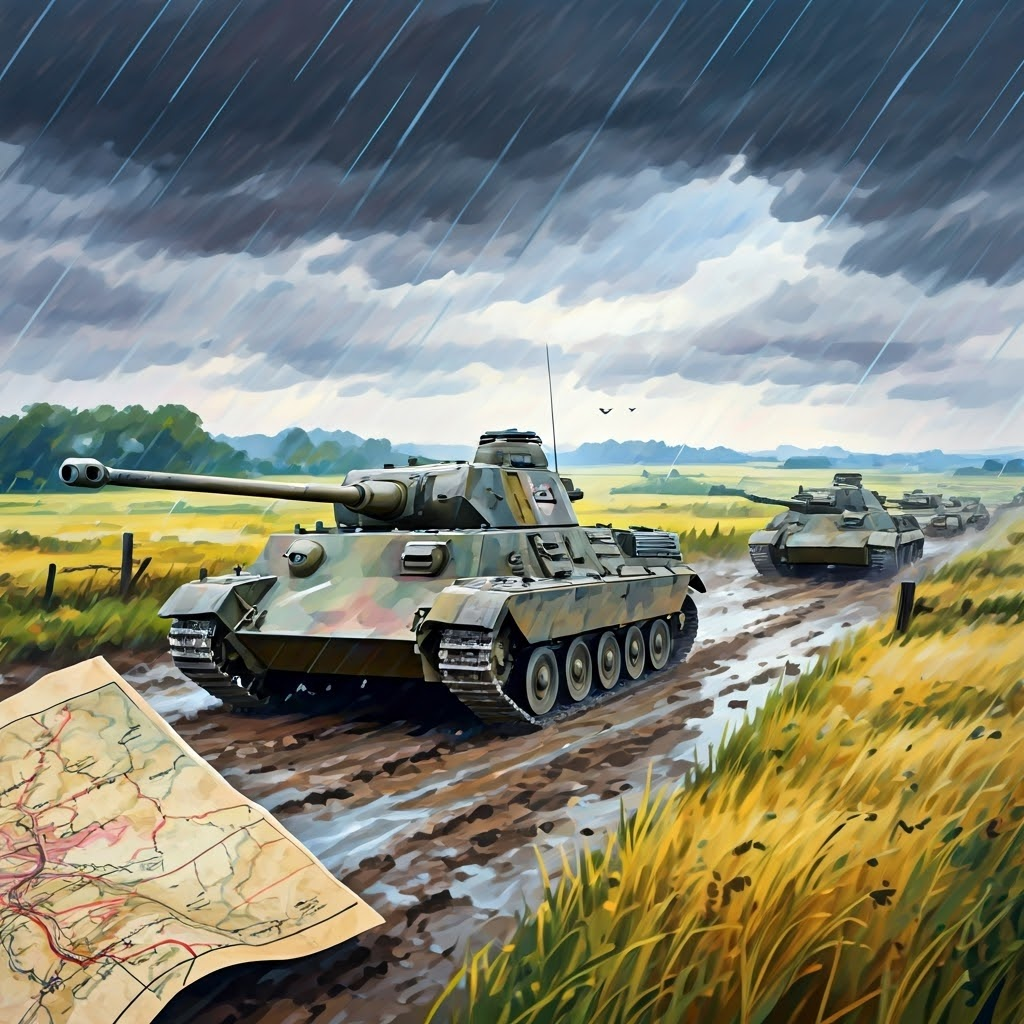
Panzers race toward the English Channel as stunned Allied troops watch, symbolizing rapid territorial gains.

Within ten days, German armor reached the Channel and trapped top Allied units. Orders lagged behind reality, and maps grew outdated within hours. Speed itself became a weapon, sowing confusion on every front.
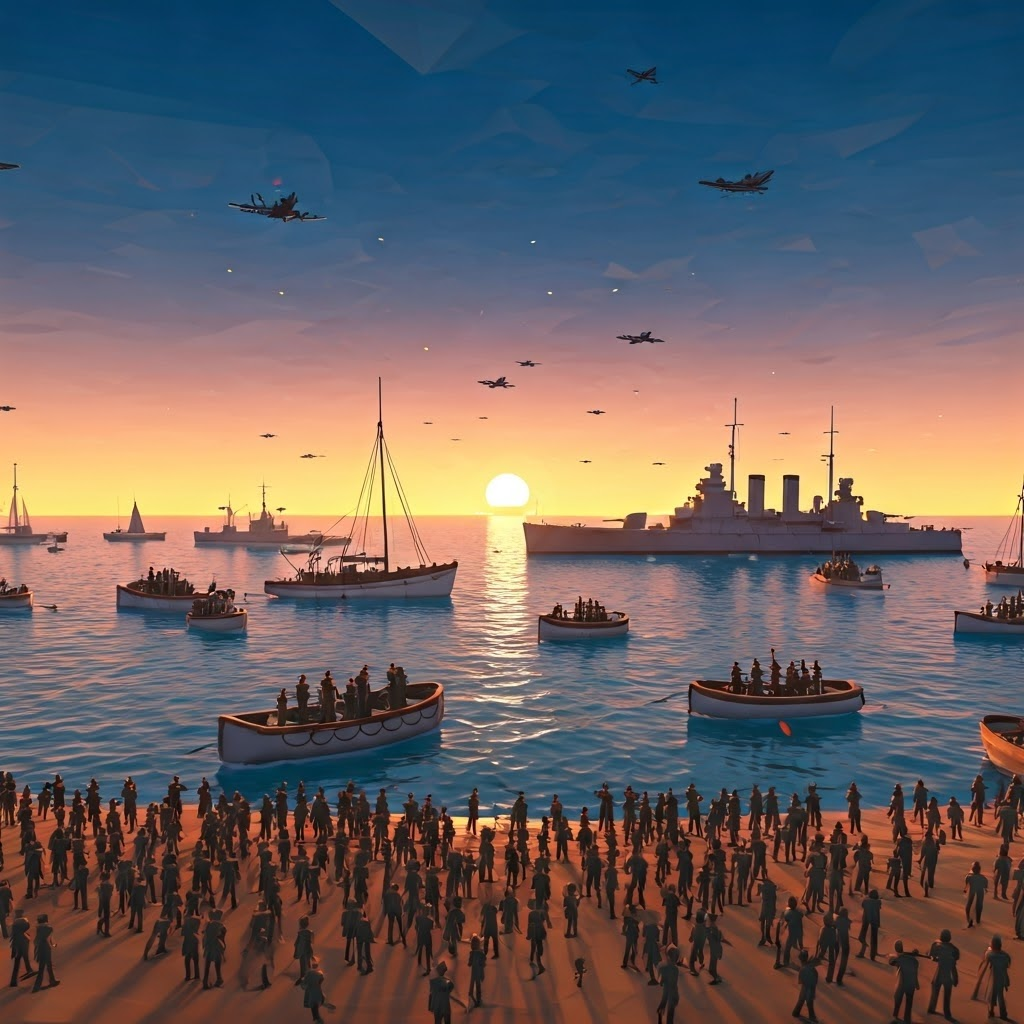
Small boats crowd Dunkirk’s shore under looming enemy aircraft, reflecting desperate yet hopeful evacuation efforts.

Dunkirk: Escape Against the Odds

At Dunkirk, 300,000 Allied troops faced capture. German forces paused, giving Britain a brief chance. A motley fleet of navy ships, fishing boats, and yachts pulled off the miracle evacuation, saving Britain’s core army though equipment was lost.
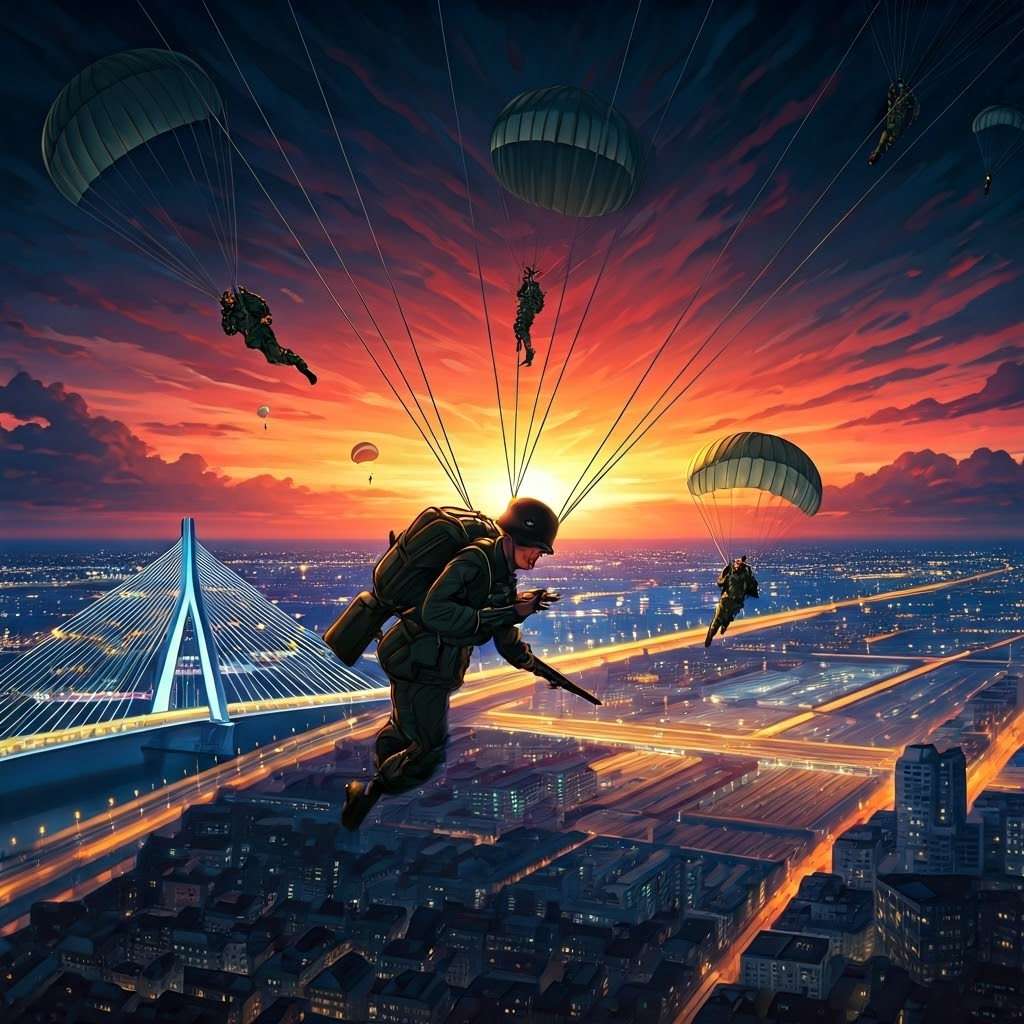
German paratroopers descend over Rotterdam at night, highlighting airborne shock tactics.

Paratroopers and the Power of Surprise

Paratroopers added a fresh layer of shock. In the Netherlands, they seized bridges and airfields before defenders could react, clearing paths for tanks and spreading panic far behind the lines.
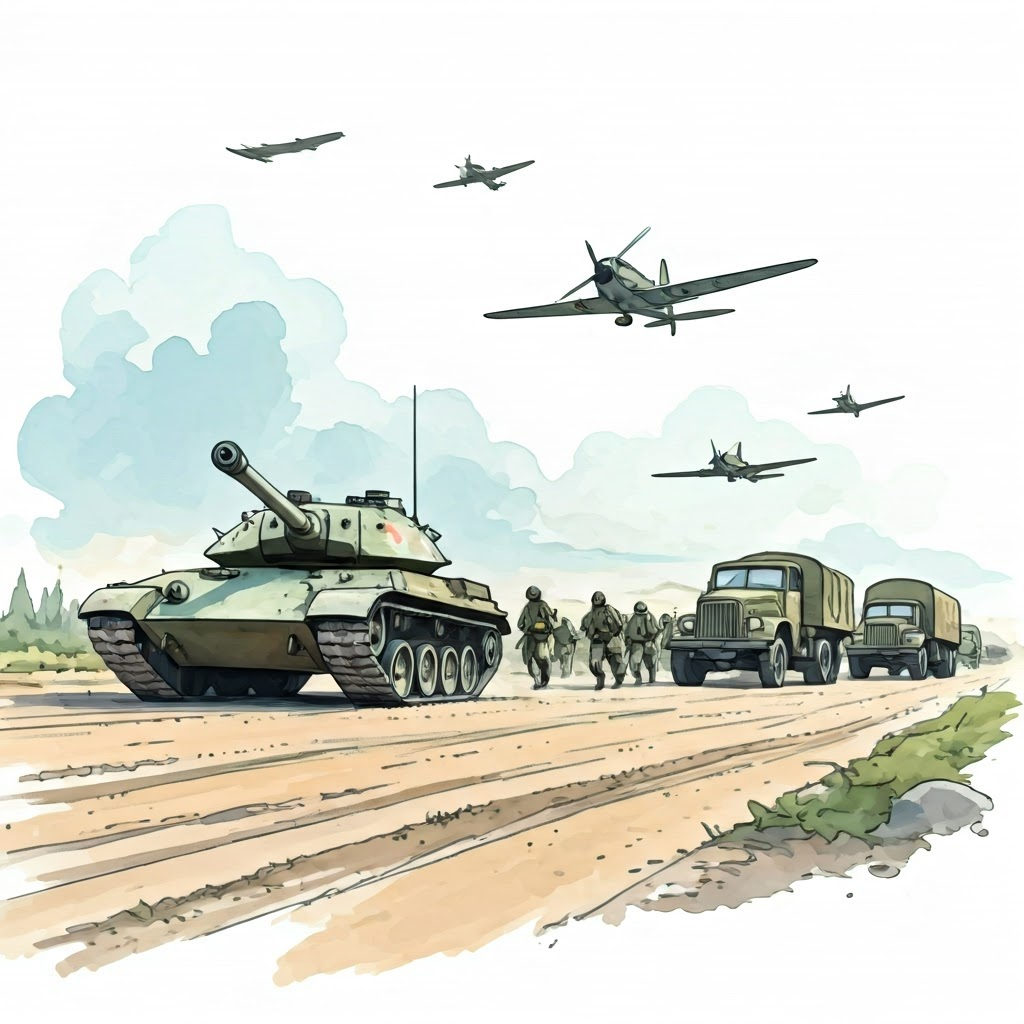
Tanks, trucks, infantry, and aircraft advance in sync, capturing flawless wartime coordination.

The Power of Coordination

Radios bound the attack together through tight coordination. Tanks, engineers, and aircraft hit targets at once, overwhelming defenses before they could stabilize.
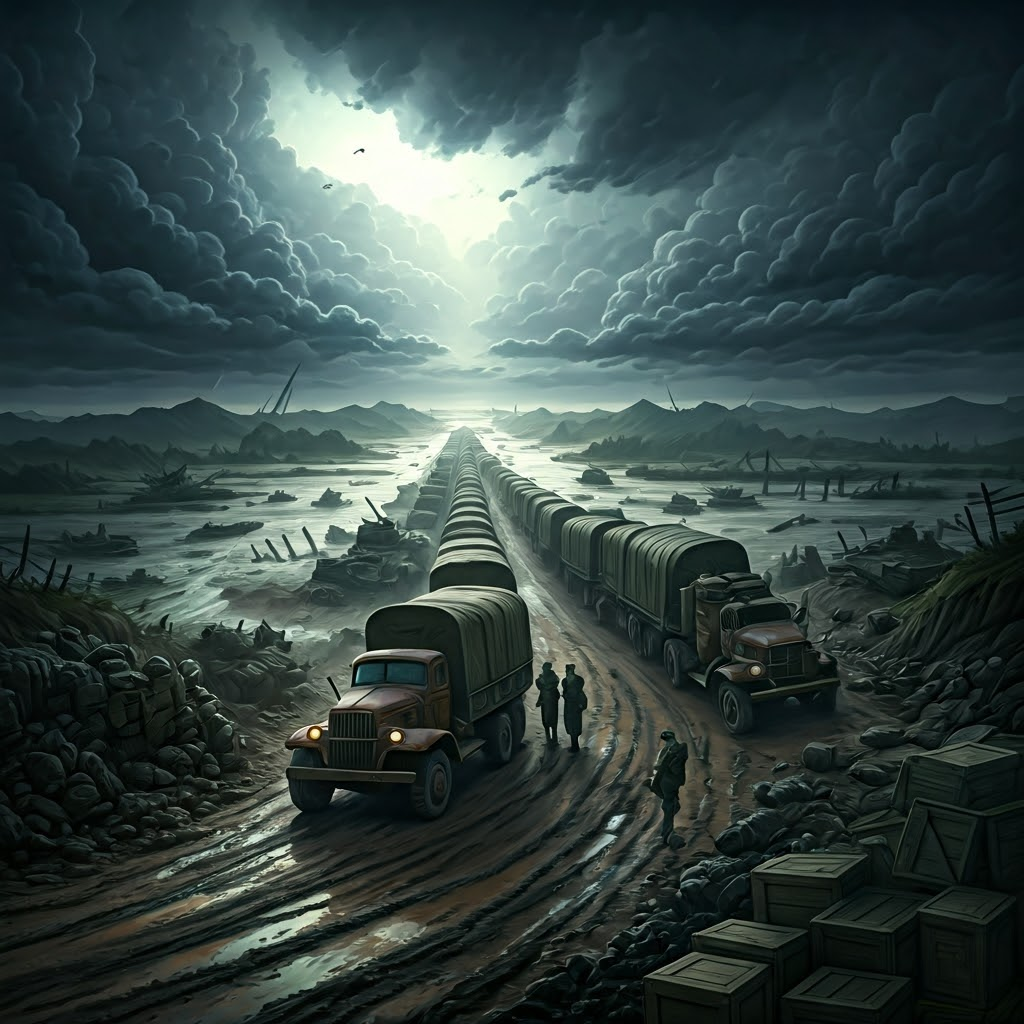
A storm-soaked supply line stalls on a muddy road, stressing logistics under strain.

Limits of Lightning: When Blitzkrieg Stalled

Blitzkrieg’s weak point was logistics. Fast moves stretched fuel, food, and spare parts. Bad weather or a blown bridge clogged supply lines, stalling momentum and exposing armor to counter-attacks.
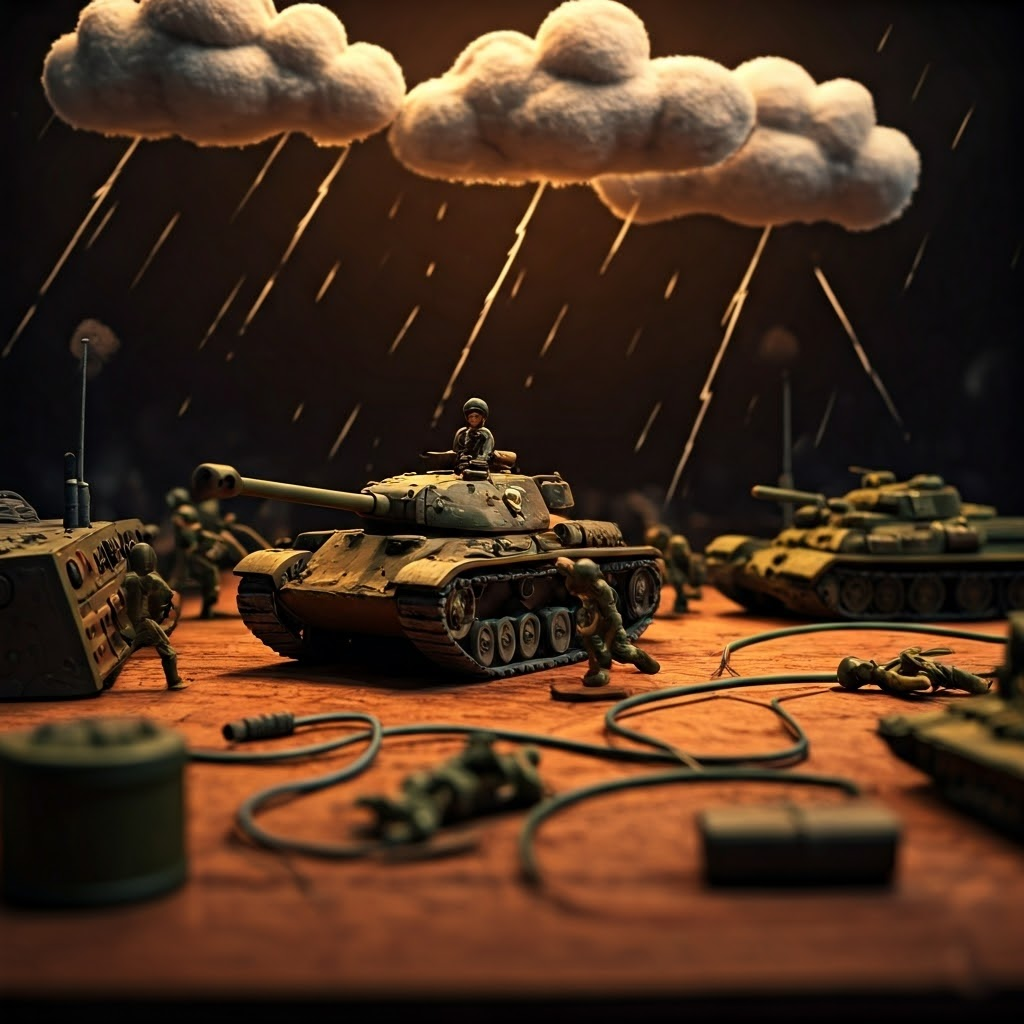
Toppled toy tanks and tangled radios on a tabletop diorama highlight the fragility of perfect-timing strategies.

Lessons and Warnings

Blitzkrieg dazzled when everything clicked—speed, surprise, and clear weather. Yet once defenders held firm or supply chains broke, its edge dulled quickly. The war soon proved that no single tactic guarantees victory.


Tome Genius

World War II: Global Conflict & Consequences

Part 2

Tome Genius

Cookie Consent Preference Center

When you visit any of our websites, it may store or retrieve information on your browser, mostly in the form of cookies. This information might be about you, your preferences, or your device and is mostly used to make the site work as you expect it to. The information does not usually directly identify you, but it can give you a more personalized experience. Because we respect your right to privacy, you can choose not to allow some types of cookies. Click on the different category headings to find out more and manage your preferences. Please note, blocking some types of cookies may impact your experience of the site and the services we are able to offer. Privacy Policy.
Manage consent preferences
Strictly necessary cookies
Performance cookies
Functional cookies
Targeting cookies

By clicking “Accept all cookies”, you agree Tome Genius can store cookies on your device and disclose information in accordance with our Privacy Policy.

00:00