
From Peas to Double Helix: The Early Days of Bioengineering
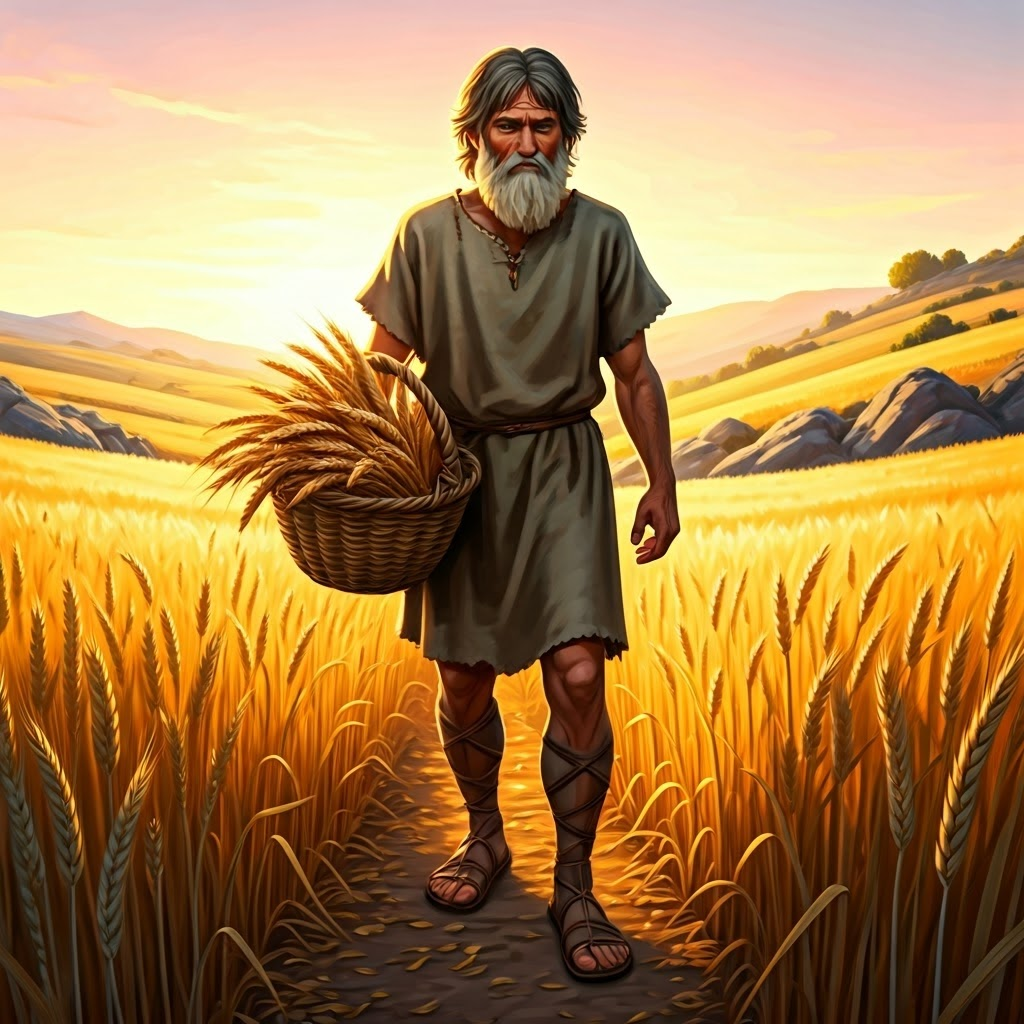
Early farmers noticed that some plants grew stronger than others. They saved seeds from those hardy stalks and planted them the next year. Over time, their fields changed. Wild grasses became reliable wheat, and humans began steering evolution with careful choices.
Taming Nature: Selective Breeding and the First Experiments
You see tiny dogs, jumbo corn, and dairy cows that fill tanker trucks. None of these traits appeared by chance. Long ago, people chose which animals or plants reproduced. That simple act—picking parents—launched selective breeding.
Imagine tending crops 10,000 years ago. A few wheat stems stay upright in heavy wind. You keep those seeds. Next season, more stalks stand tall. Selective breeding works slowly, yet each harvest nudges life in a desired direction.
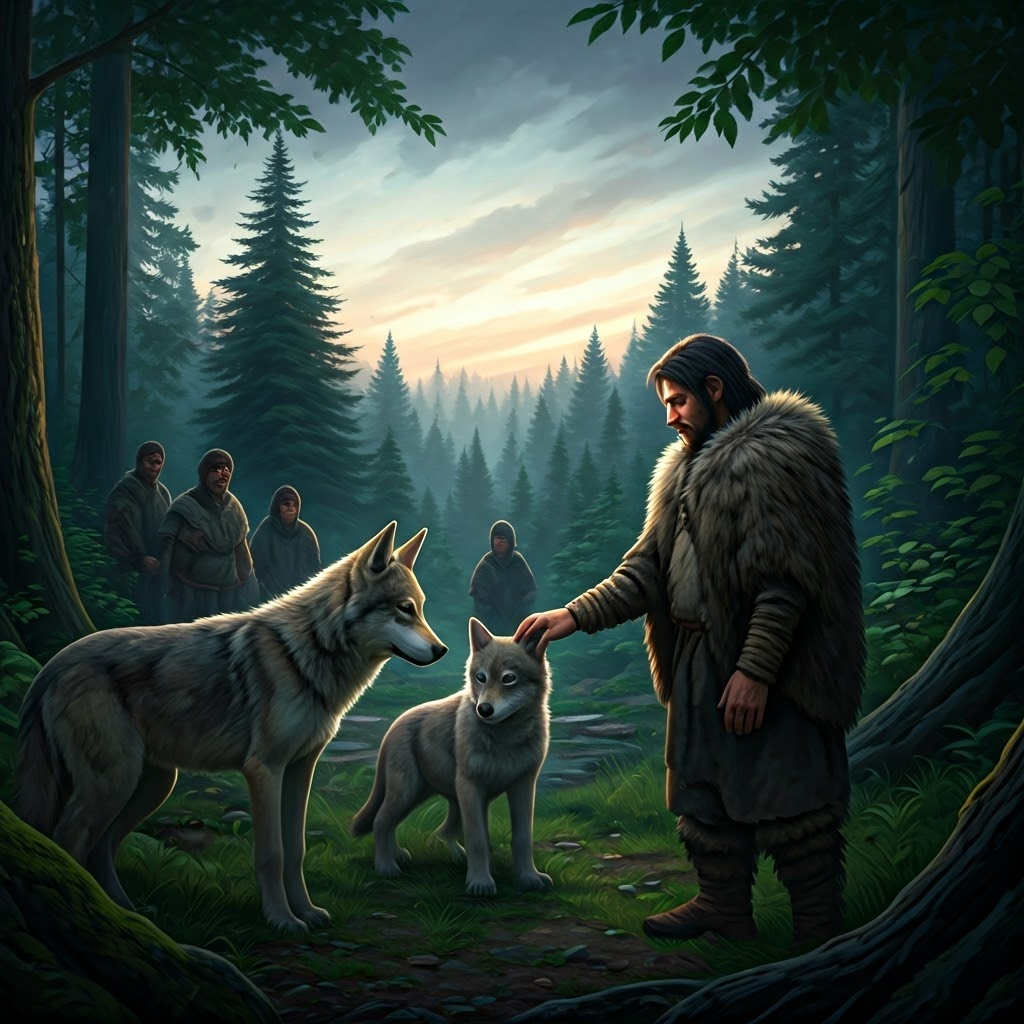
Early dog breeders favored wolves that acted friendly toward people. Generation after generation, tameness deepened. Eventually, those wolves transformed into today’s wide range of dog breeds—from huskies to Chihuahuas.
Selective breeding is powerful but unpredictable. Desired traits rise over many generations, yet surprises—good or bad—always appear. Still, by choosing parents on purpose, humans rewrote life long before they understood the script.
Peas, Patterns, and Mendel’s Big Idea
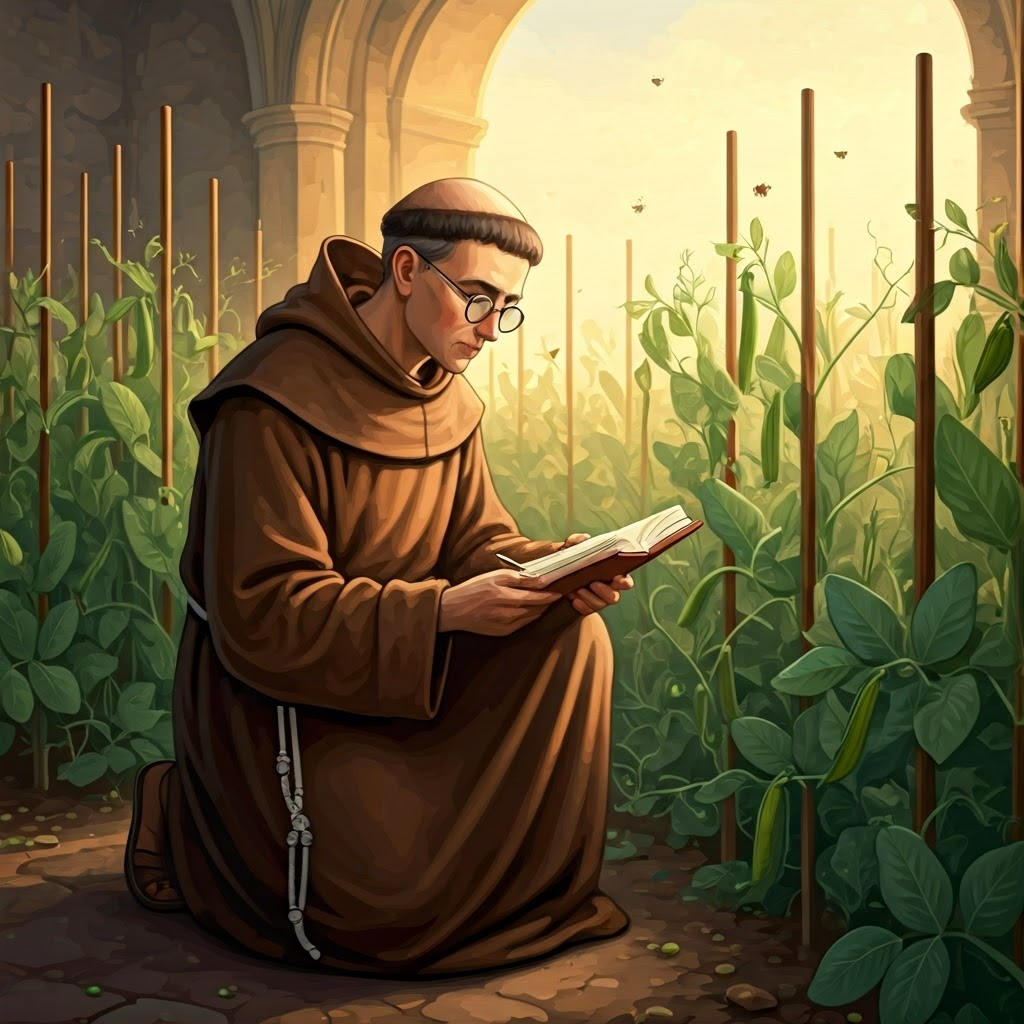
In the 1800s, a quiet monk named Gregor Mendel studied pea plants. He crossed tall and short varieties. All first-generation plants grew tall. When he crossed those offspring, short plants reappeared in a clear three-to-one ratio.
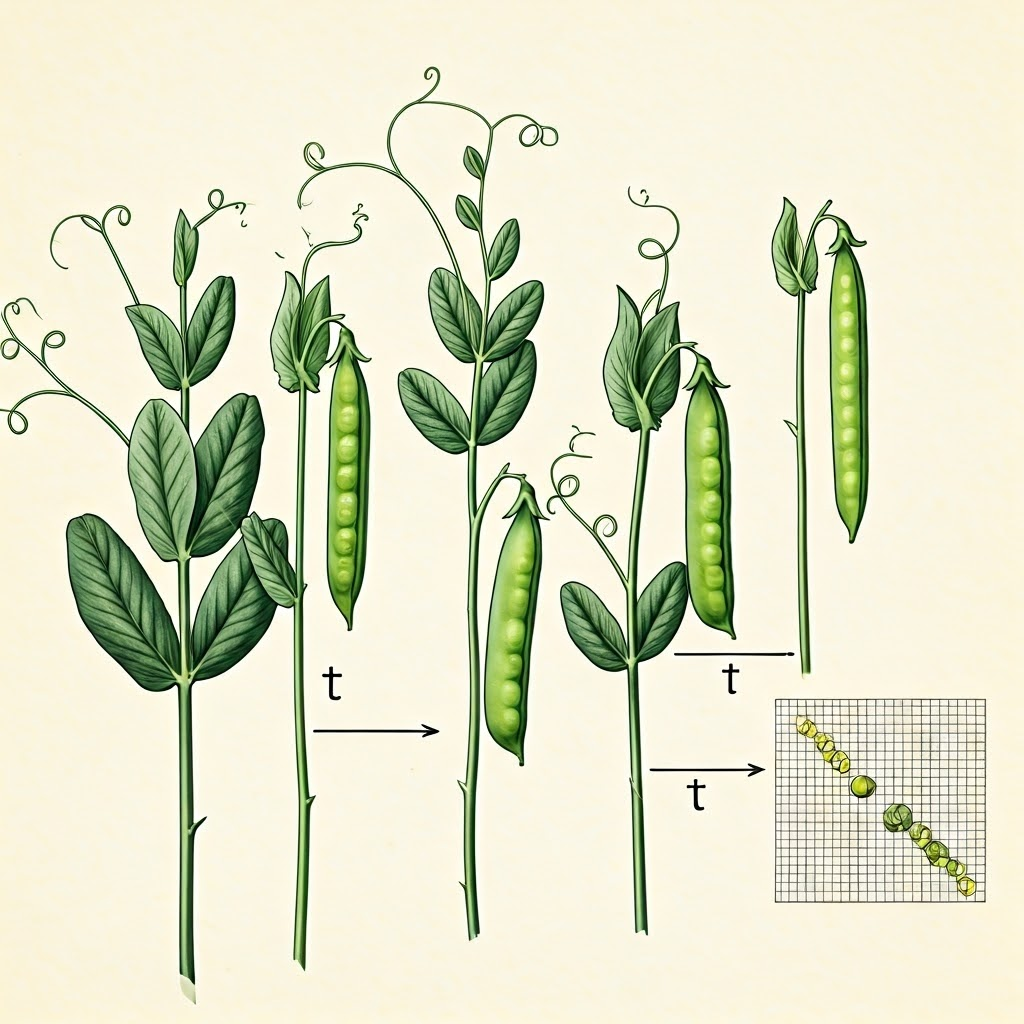
Mendel realized traits pass as discrete units—later called genes—that stay intact rather than blending. He mapped dominant and recessive patterns without seeing inside a cell. Though ignored for decades, his notes later became genetics 101. Punnett squares in classrooms still echo his pea plots.

The Secret Code: DNA’s Structure Revealed
By the 1950s, scientists hunted the molecule that stored heredity. Rosalind Franklin’s X-ray photo, called Photograph 51, showed a telltale spiral. James Watson and Francis Crick used her data to model DNA as a double-helix in 1953.
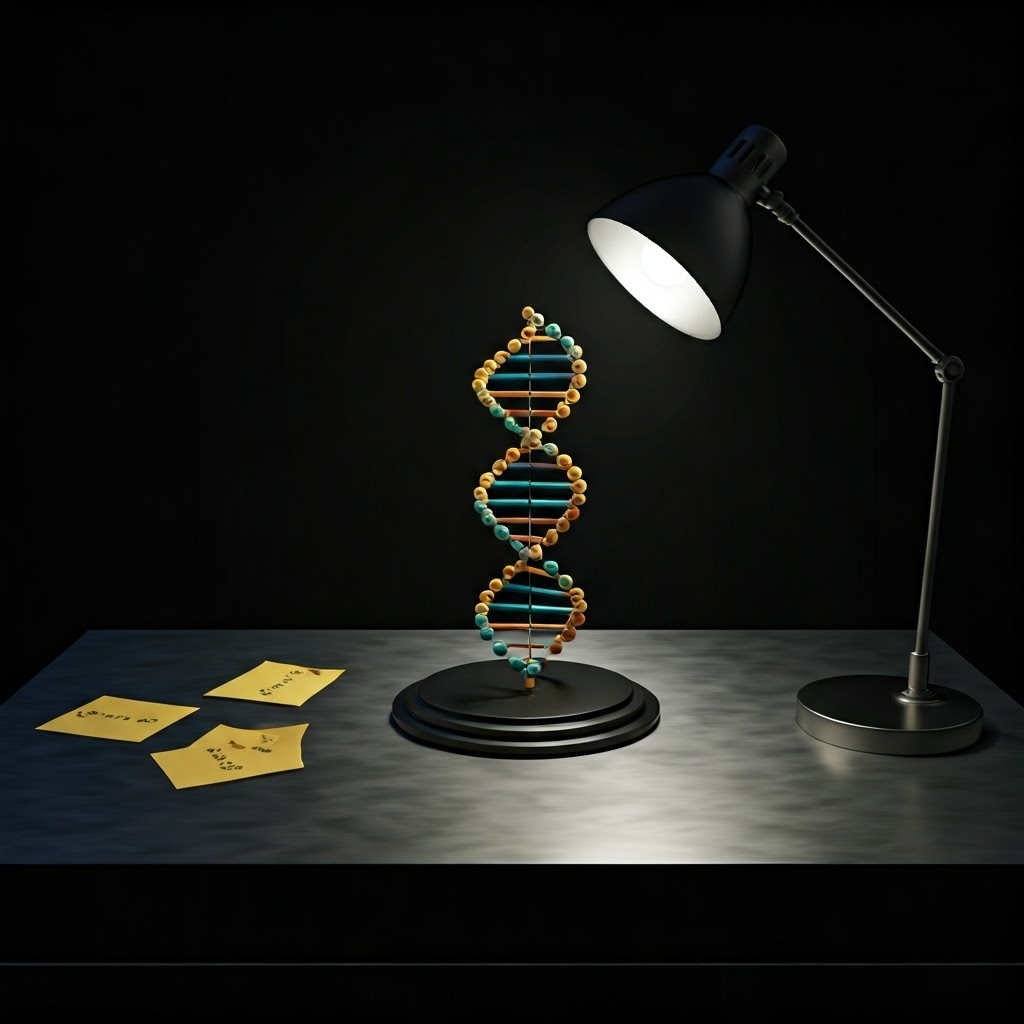
They saw that base pairs—A with T, G with C—fit like puzzle pieces. Because the pairs match exactly, DNA can copy itself with stunning accuracy. This finding turned biology’s codebook into readable text and explained how mutations arise when copying slips.
Why It All Matters
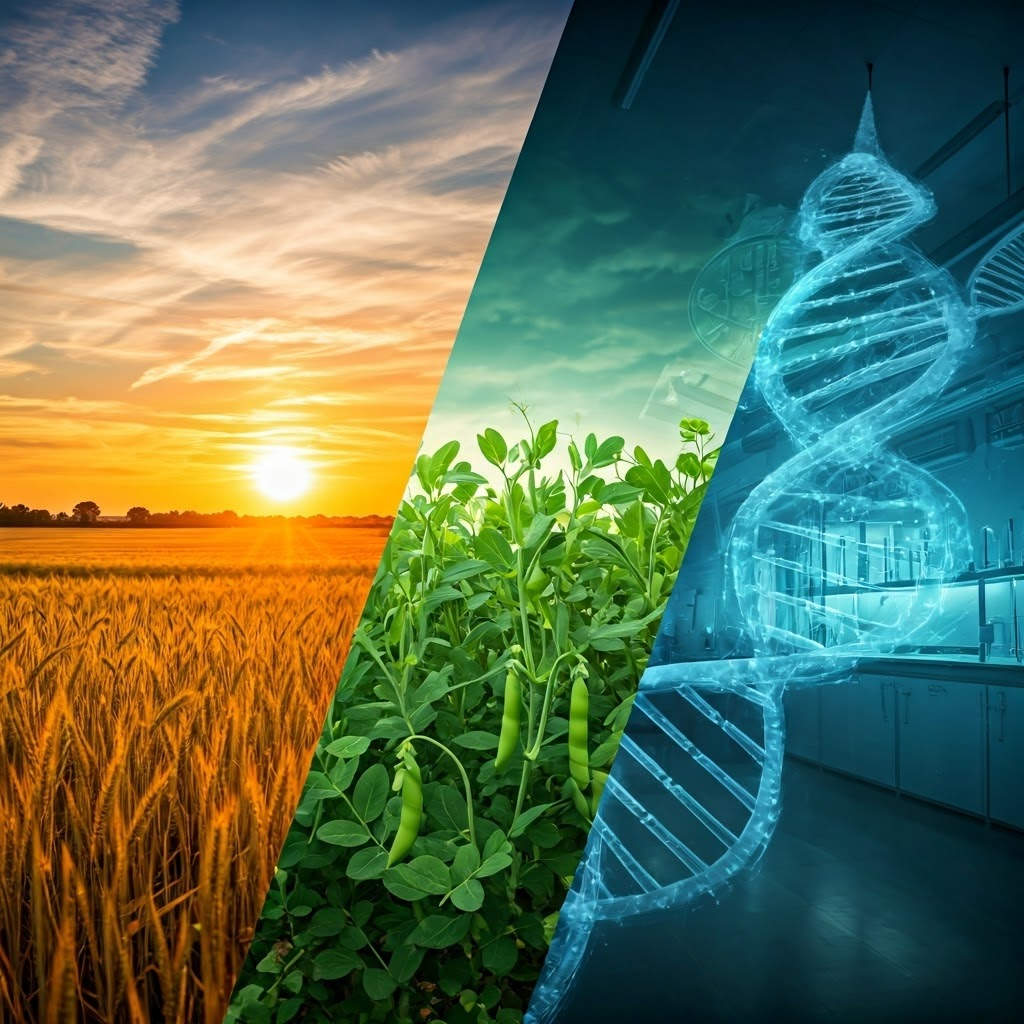
Selective breeding was the first biological hack. Mendel uncovered the rules. DNA’s double helix revealed the language. Together, these insights let people shape life intentionally rather than by chance.
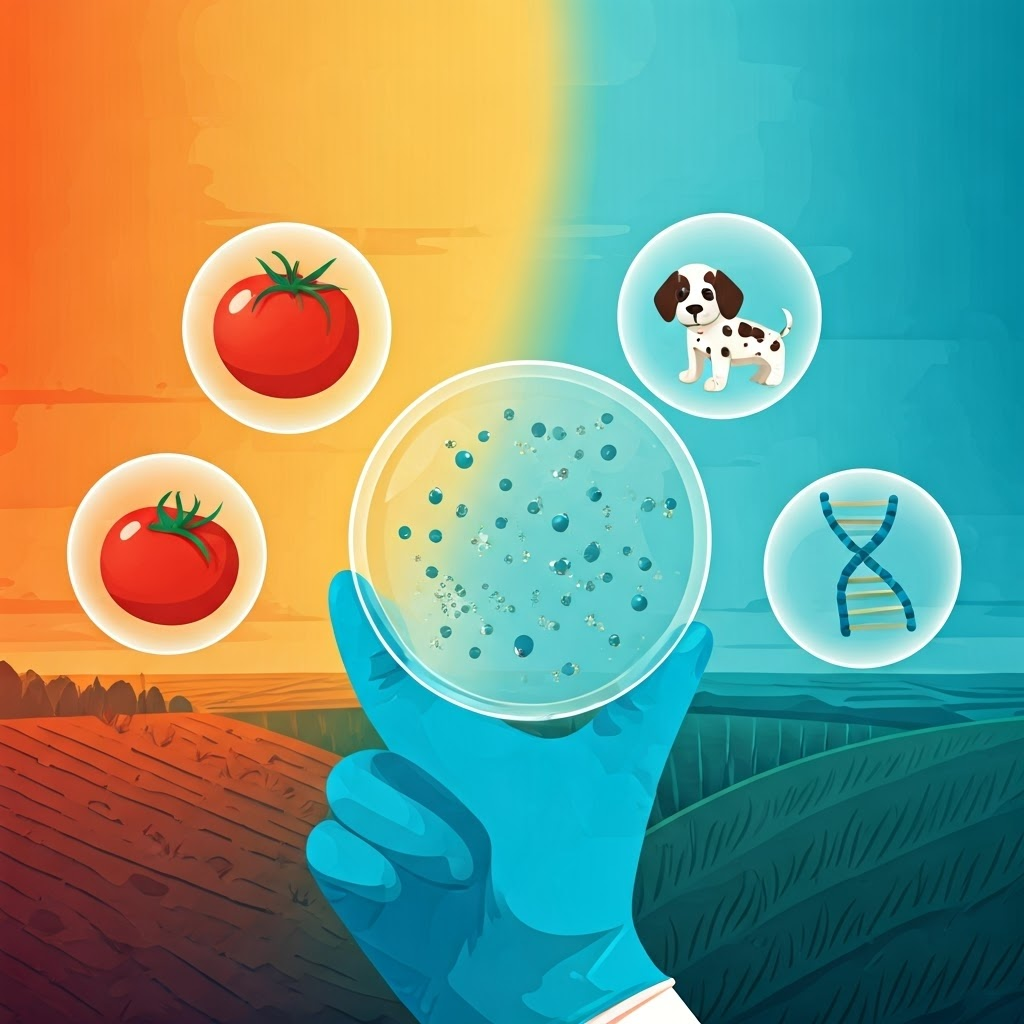
Modern breakthroughs like CRISPR trace back to simple questions: Why is this plant sweeter? Why do puppies differ? What hides inside each cell? Every advance begins with curiosity—and a patient look at the smallest details.
