
Earth’s Hidden Heat and the Power of Water
Geothermal energy, heat pumps, and ocean power capture Earth’s steady forces and turn them into clean electricity and heat. These technologies tap underground warmth, stable ground temperatures, and endless waves to lower carbon emissions and build a brighter energy future.

Geothermal: Tapping the Earth’s Warmth
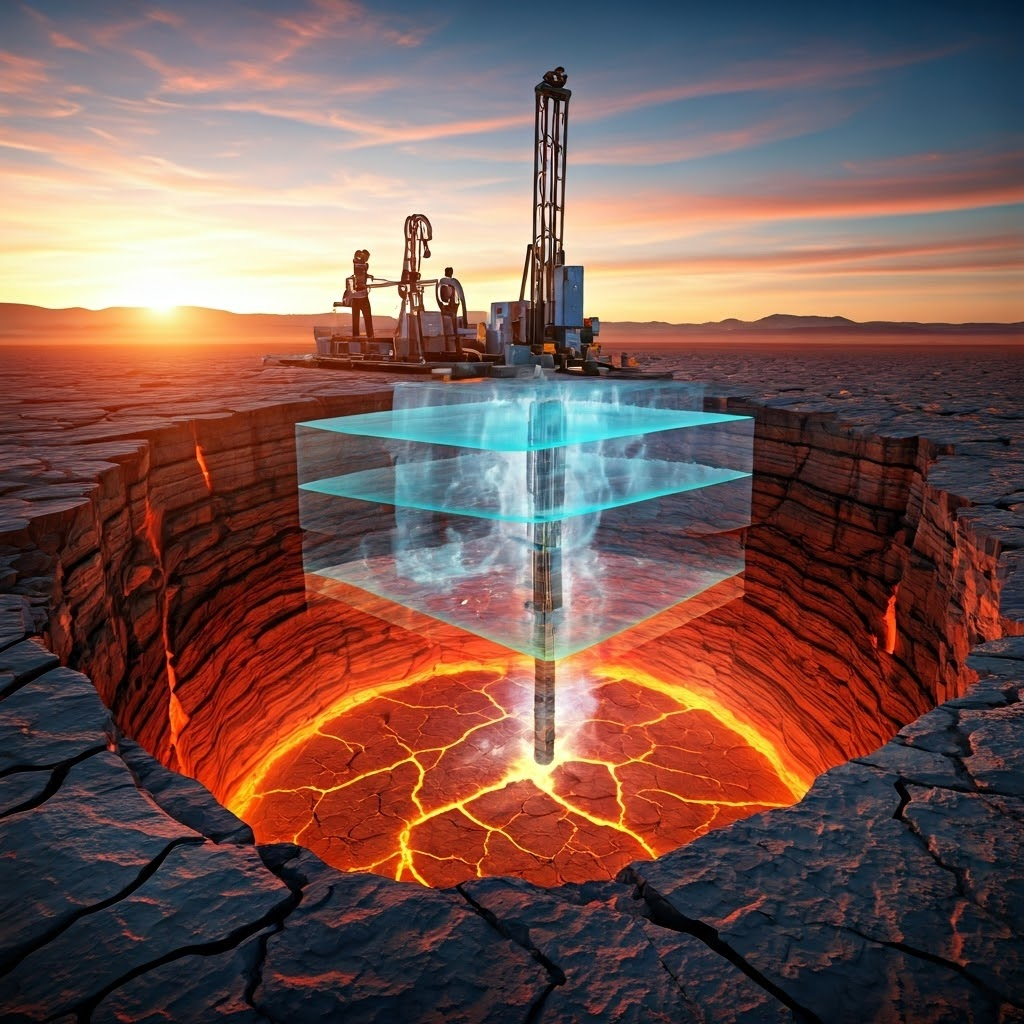
Think of Earth as a vast heat reservoir. Near plate boundaries—places like Iceland or California—hot rocks and underground water sit close to the surface. Drill a well, let steam rise, spin a turbine, and you have clean power. Iceland’s Hellisheiði plant proves the idea works at scale, warming and lighting Reykjavík.
Geothermal: Tapping the Earth’s Warmth
In many regions, rocks are hot but dry. Enhanced Geothermal Systems (EGS) inject water, fracture the rock, and draw up steam through a second well. This method could unlock geothermal almost anywhere, yet drilling costs, site selection, and minor quake risks still need careful management.
Heat Pumps: Bringing Geothermal Home
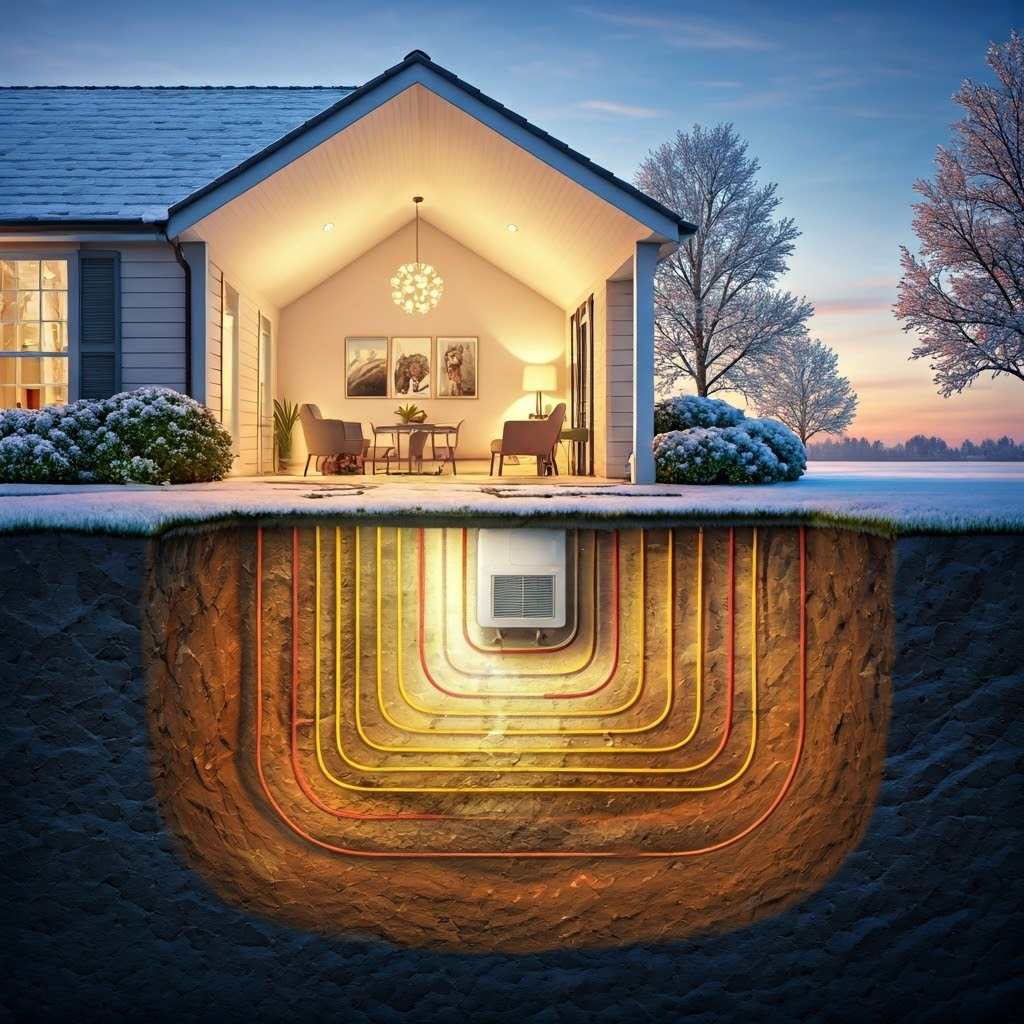
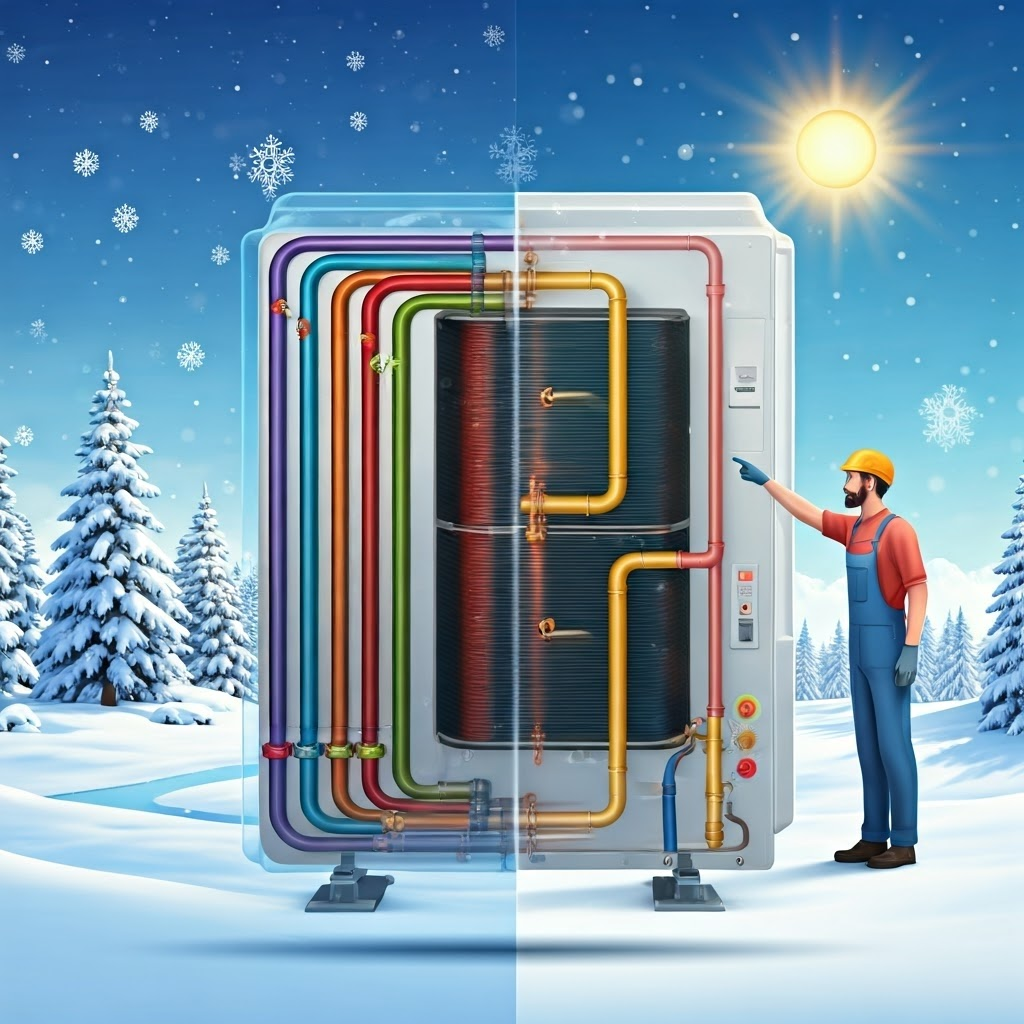
A heat pump works like a two-way refrigerator. In winter, it pulls ground heat indoors. In summer, it pushes indoor heat outside. Soil a few feet down stays near 50 °F (10 °C), so pumps use up to two-thirds less energy than furnaces. Higher upfront costs often pay back within years through incentives and lower bills.
A Simple Step-By-Step: How a Heat Pump Works
- Pulls heat from ground or air with a liquid refrigerant.
- Compresses the refrigerant to raise its temperature.
- Moves that heat into the house—or removes it for cooling.
- Repeats the cycle using only a small amount of electricity.

Ocean Energy: Tides, Waves, and Currents
Stand on a windy shore and feel the ocean’s relentless motion. Tidal power uses rising and falling seas, wave devices capture surface swings, and current turbines exploit steady flows like the Gulf Stream. Each converts the sea’s pull into electricity without fuel.

Tidal turbines thrive where tides surge—think Canada’s Bay of Fundy or Scotland’s MeyGen project. Wave machines float or anchor on the seafloor but battle salt, storms, and high costs. Most ocean projects remain pilot-scale, yet the promise for coastal regions is huge.

Grounded Innovation: Why Location Matters
No single technology fits everywhere. Hot crust favors geothermal, while EGS may broaden that reach. Air-source pumps suit mild climates; ground-source pumps work nearly anywhere. Ocean energy needs strong tides or waves along accessible coasts. Choosing the right match between place and tech unlocks real savings and a cleaner future.
