Rockets Without Fire: The New Engines
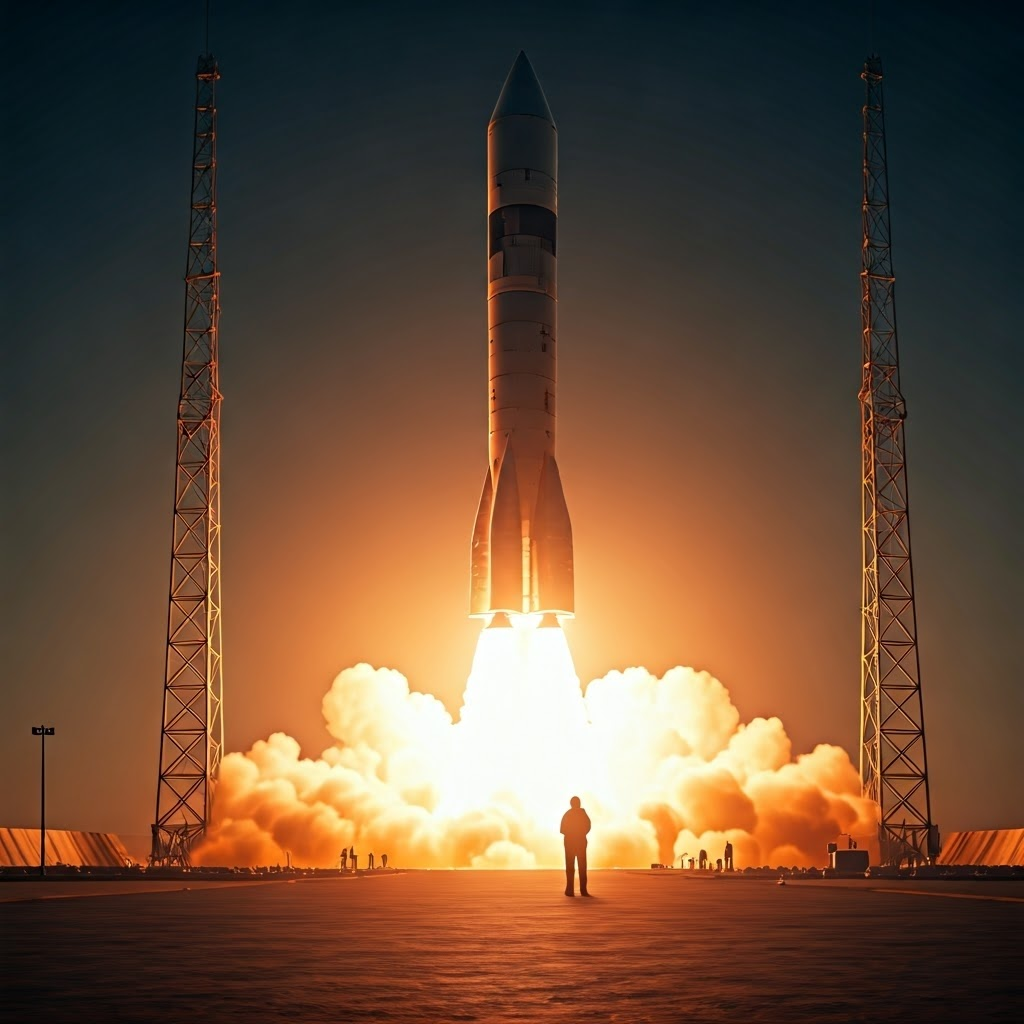
Chemical rockets light up the sky with flame and smoke, yet most of their propellant disappears just escaping Earth. It’s like burning almost an entire gas tank before you leave your driveway. They launch fast, then coast while carrying empty tanks.
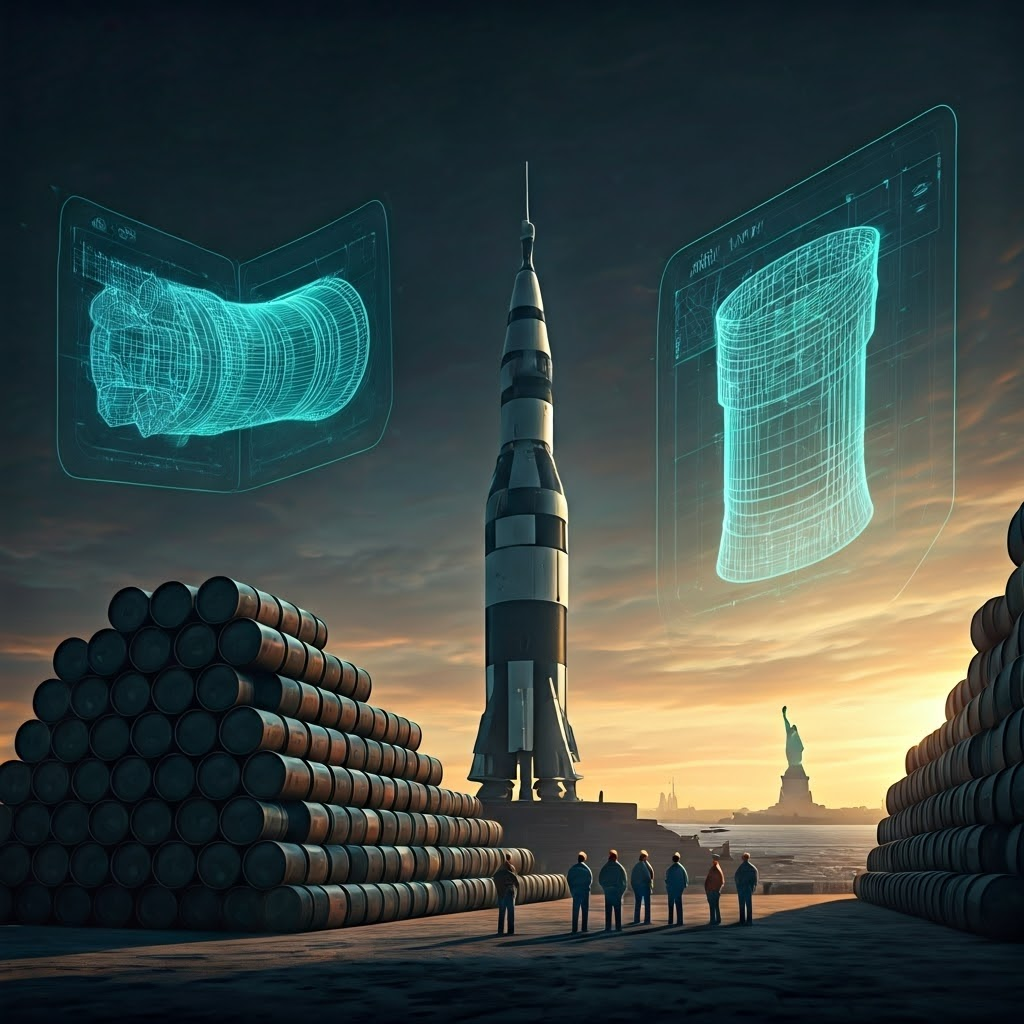
These engines work for quick trips to the Moon, but Mars demands higher cruising speed and longer thrust. More fuel makes the vehicle heavier, which needs even more fuel—a stubborn cycle. The Saturn V towered over the Statue of Liberty, yet most of its mass was pure fuel.
Robert Zubrin notes that with chemical propulsion, each extra ton of propellant yields smaller gains. To break this pattern, we need new engines that travel far without hauling mountains of propellant. Nuclear, electric, and plasma systems may carry us the rest of the way.
How Rockets Work: The Basics
A rocket moves by throwing mass backward. Hot exhaust rushes out, pushing the craft forward—Newton’s third law in action. Picture yourself on a skateboard: toss a backpack behind you and you roll ahead. Rockets need no air to push against; they push against their own exhaust.
A balloon shows the same idea. Release the opening and air shoots out, propelling the balloon—even in a vacuum the motion holds. The faster and heavier the thrown mass, the quicker the rocket accelerates.

Fuel choice matters. Chemical reactions give a brief, powerful shove, then you coast. That short burst is inefficient for deep‐space trips.
Nuclear Thermal Rockets: Atomic Power for Space
Swap fire for atomic heat. A nuclear thermal rocket runs a reactor that heats hydrogen, blasting it out the nozzle at high speed. Think of a steam engine powered by a miniature sun.
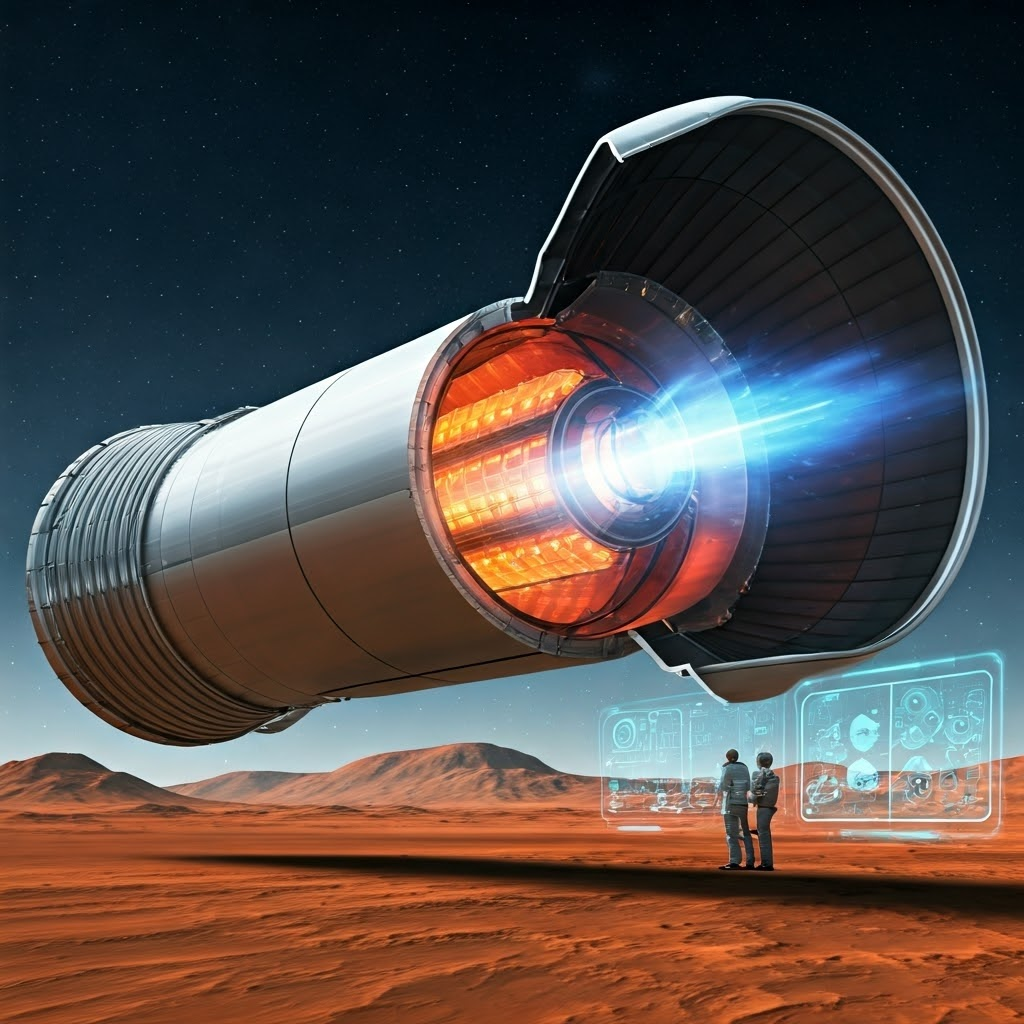
The key number is specific impulse. Chemical engines top near 450 seconds; nuclear thermal designs approach 900 seconds—about double the efficiency. In the 1960s, the NERVA program fired such engines in Nevada, but politics paused further work.
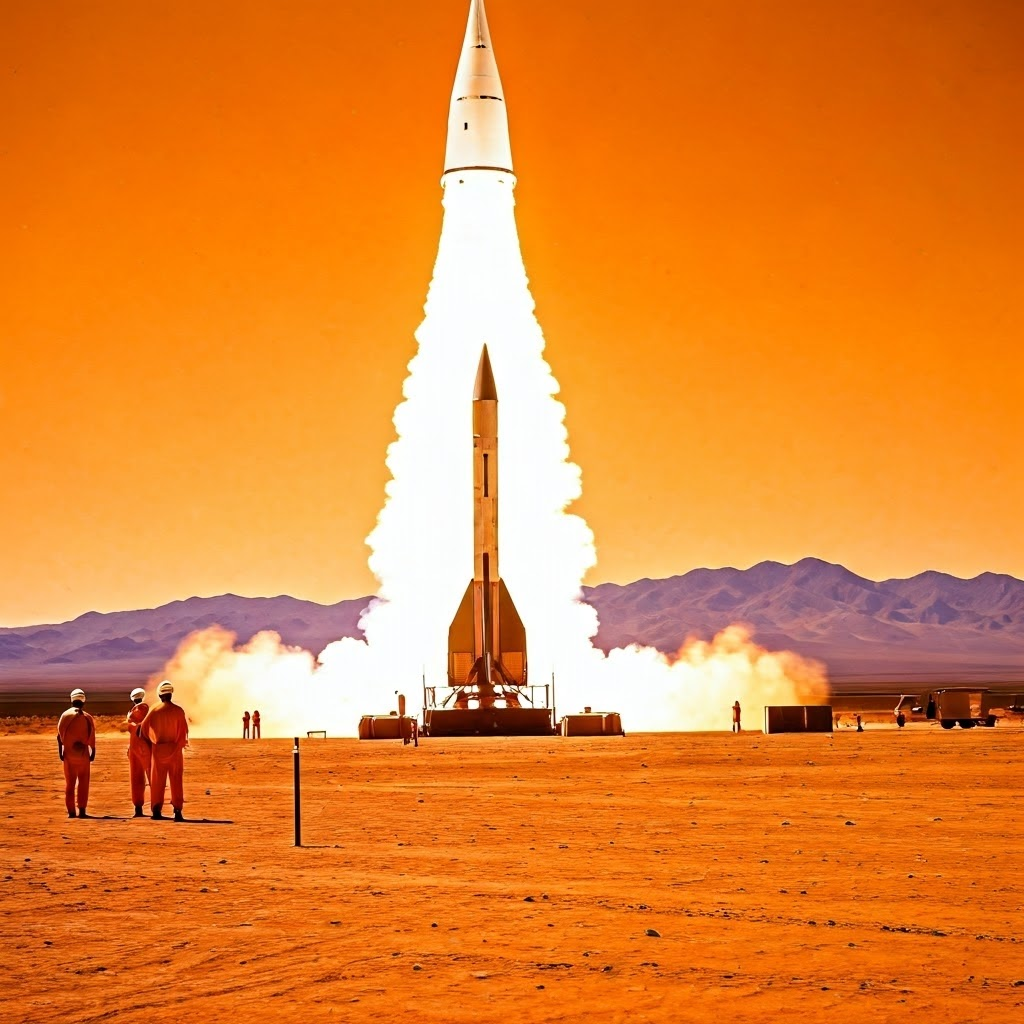
NASA has revived interest, planning designs that stay cold on the pad and start only in orbit, easing launch‐safety concerns.
Ion Thrusters and Hall-Effect Drives: Electric Push
Ion thrusters and Hall-effect drives trade brute force for relentless endurance. Powered by solar arrays, they ionize gas—often xenon—and fire the ions out at breathtaking speed. Their specific impulse can exceed 3000 seconds.
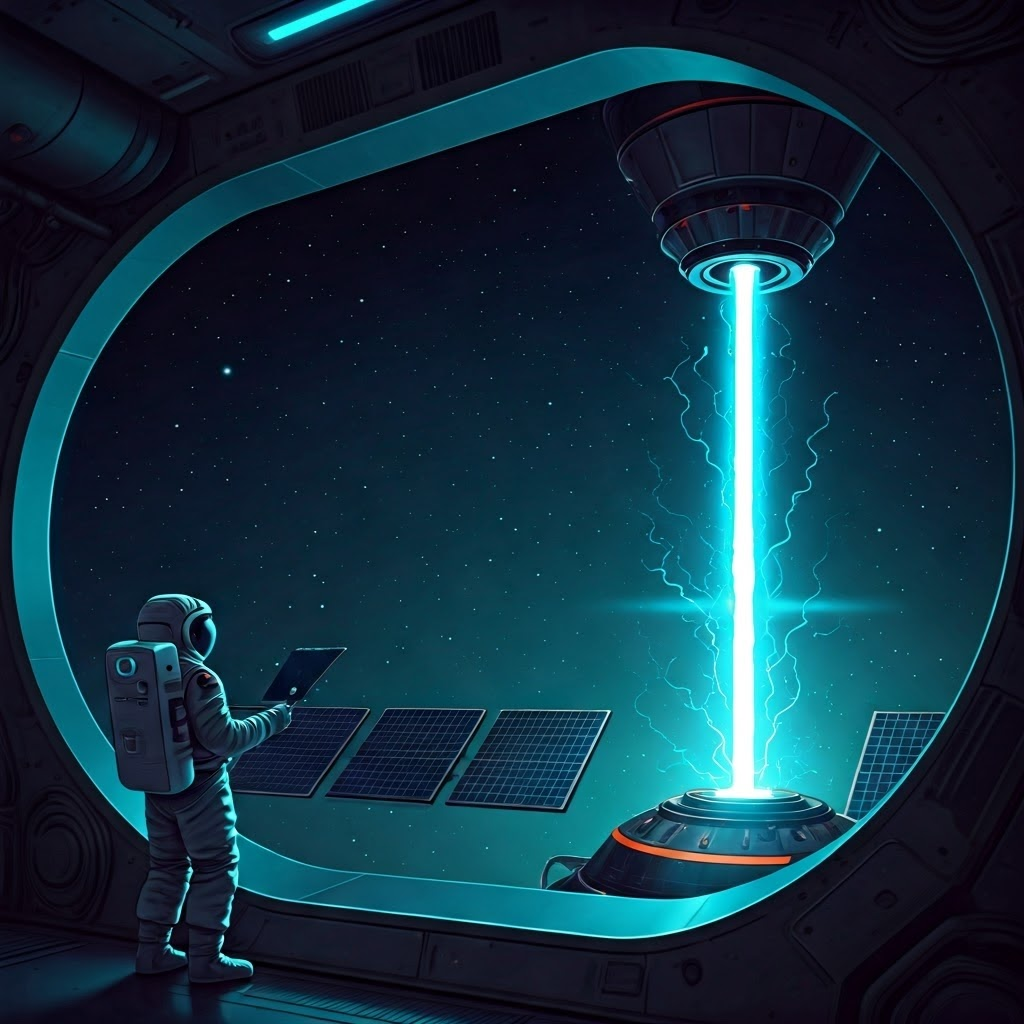
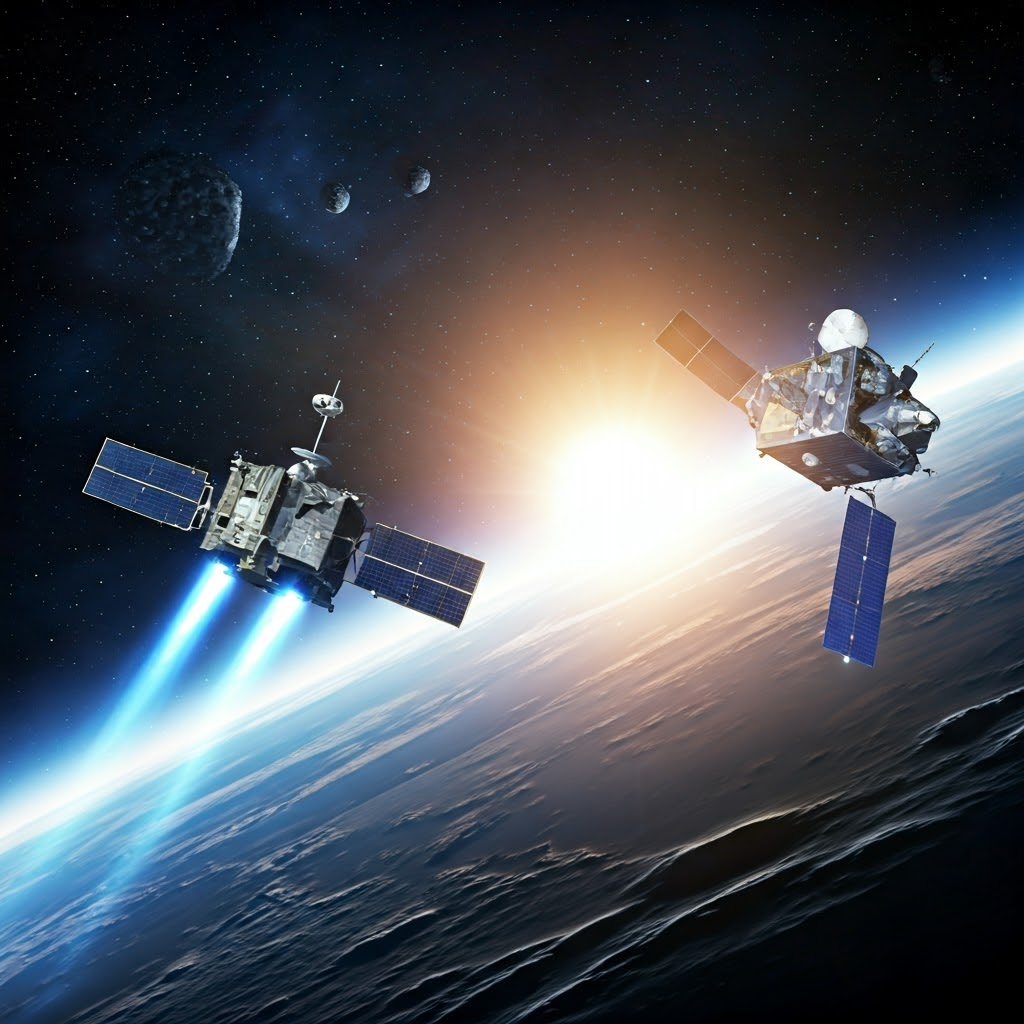
NASA’s Dawn craft used an ion engine to tour Vesta and Ceres, building speed over months. ESA’s BepiColombo heads to Mercury on Hall-effect drives. These engines cannot lift off Earth, yet in the vacuum of space, steady thrust wins.
Why Not Use These Engines Everywhere?
Electric and nuclear systems demand fresh designs, new safety rules, and power sources such as large solar wings or compact reactors. Testing continues, but physics sets a clear limit on chemical rockets. To roam the Solar System freely, tomorrow’s spacecraft will run quiet, cool, and efficient.