
How Cars See: Sensors and the 3D World
Meet the Senses: Cameras, Radar, Lidar, and Ultrasonic
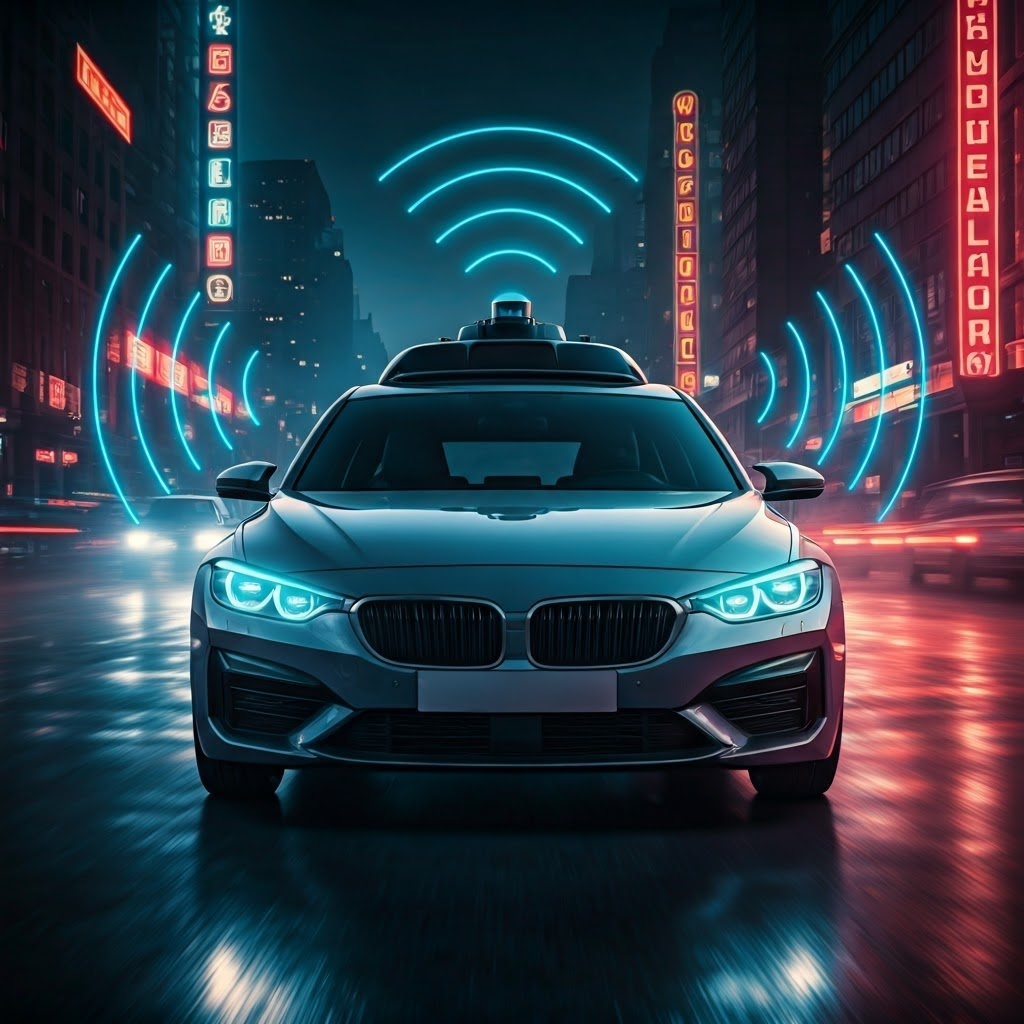
If you want to know how a self-driving car sees, start by thinking about your own senses. Your eyes notice colors and moving objects, and your ears catch honks or bicycle bells. You even sense how close you are to furniture in the dark. For cars, sensors give that understanding.
A camera is the car’s eye. It captures pictures just like your phone, spotting lane markings, traffic lights, and the color of a crossing guard’s jacket. Cameras excel at detail—reading speed-limit signs or telling a pedestrian from a stroller—but they struggle with depth, glare, and low light.
Radar works like echolocation. It sends radio waves and measures the returning echoes. Quick bounces mean close objects, slower bounces mean farther away. Radar shrugs off bright sun or fog, spots large metal objects, and sees through rain or snow, though it can’t show exactly what the object is.
Meet the Senses: Cameras, Radar, Lidar, and Ultrasonic
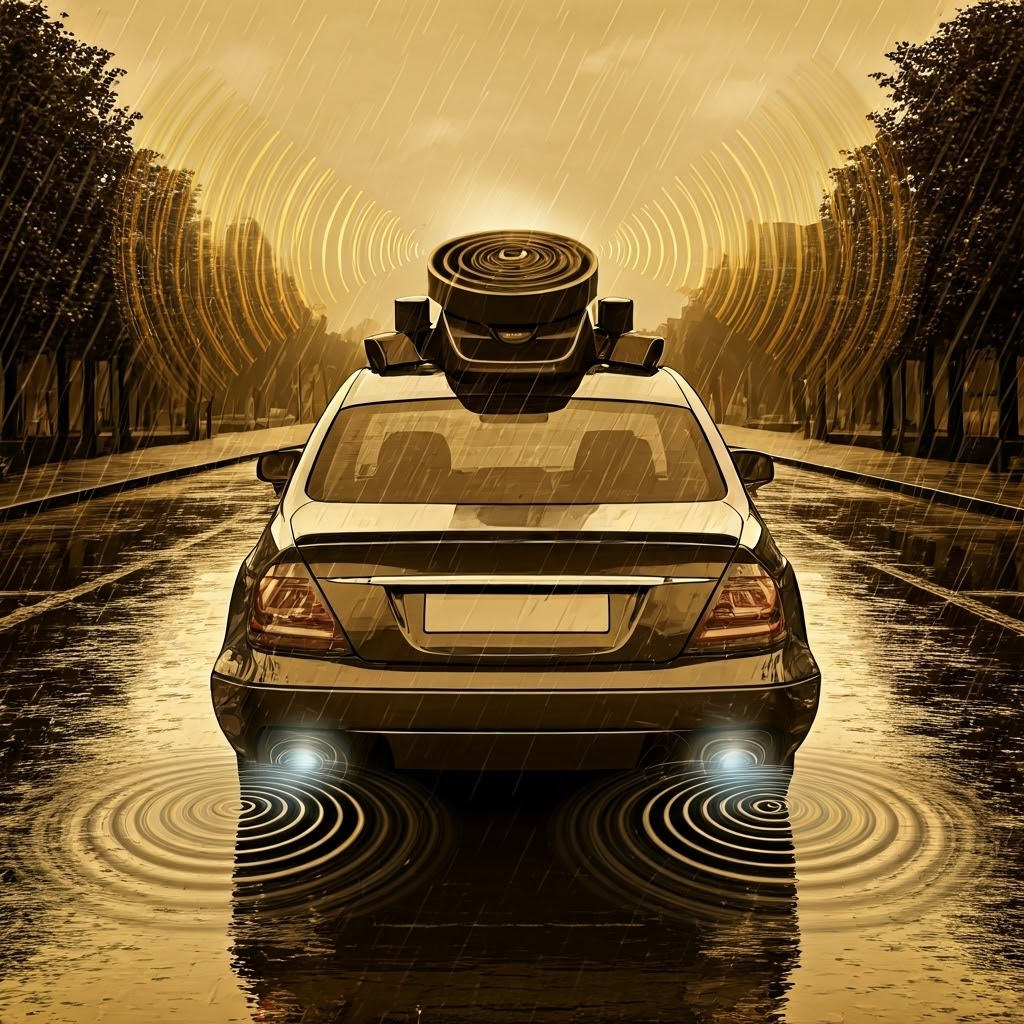
Lidar shoots thousands of laser pulses each second and times their return. Picture a spinning disc sending invisible beams, then drawing a scene from the echoes. Lidar builds detailed 3D maps accurate to a few centimeters and ignores shadows. Heavy rain or snow can still confuse it, and the hardware remains costly.
Ultrasonic sensors act like whiskers. They emit short sound waves and listen for close echoes, perfect for tight parking moves. Ultrasonic handles only short ranges, so it can’t warn about distant obstacles.
Every sensor has clear strengths and real limits, so automakers blend them—just as you wouldn’t drive relying on only one sense.
Seeing in 3D: How Data Fusion Works
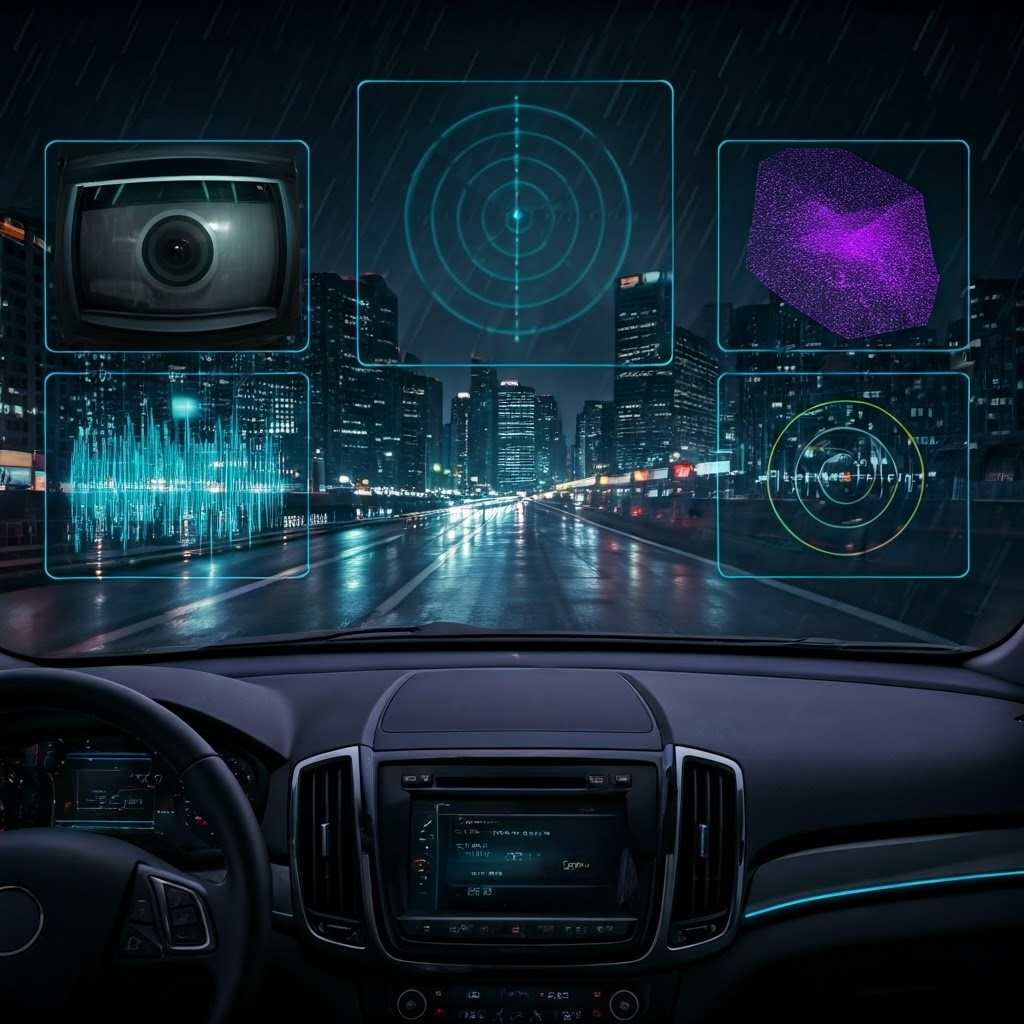
To truly see, a car merges raw sensor feeds into a single 3D model—a process called sensor fusion. Imagine building a sandwich: camera images form the bread, radar adds the cheese, lidar supplies the lettuce, and ultrasonic echoes sprinkle like herbs. Each layer alone is incomplete, but together they make the meal.
The computer aligns these layers, checks them for agreement, and filters out noise. If a camera spots an object but can’t gauge distance, lidar steps in. When rain blurs vision, radar and ultrasound still report. The result is a dynamic view of people walking, cars moving, lane lines, curbs—and even a rolling ball.
Perception: Teaching Cars to Recognize the World
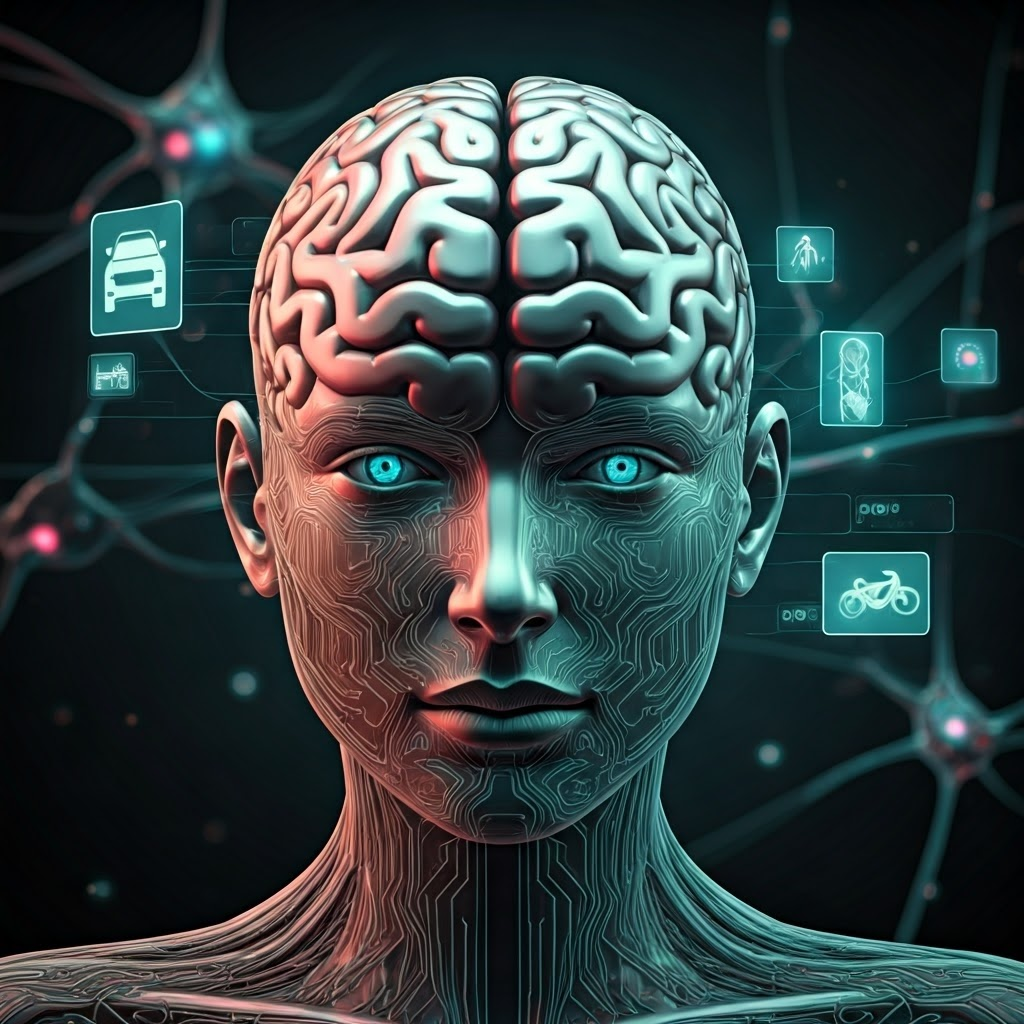
All that data means little unless the car can interpret it. Machine-learning perception trains the vehicle to recognize cars, bikes, traffic lights, and pedestrians, much like learning letters before words. Algorithms reviewed millions of road images and now compare fresh sensor inputs to familiar patterns.
When a new shape appears, the system checks its library: is it a bus, a van, or perhaps a delivery robot? It studies wheels, windows, and movement. If unsure, the car slows—mirroring a cautious human driver—to keep everyone safe.
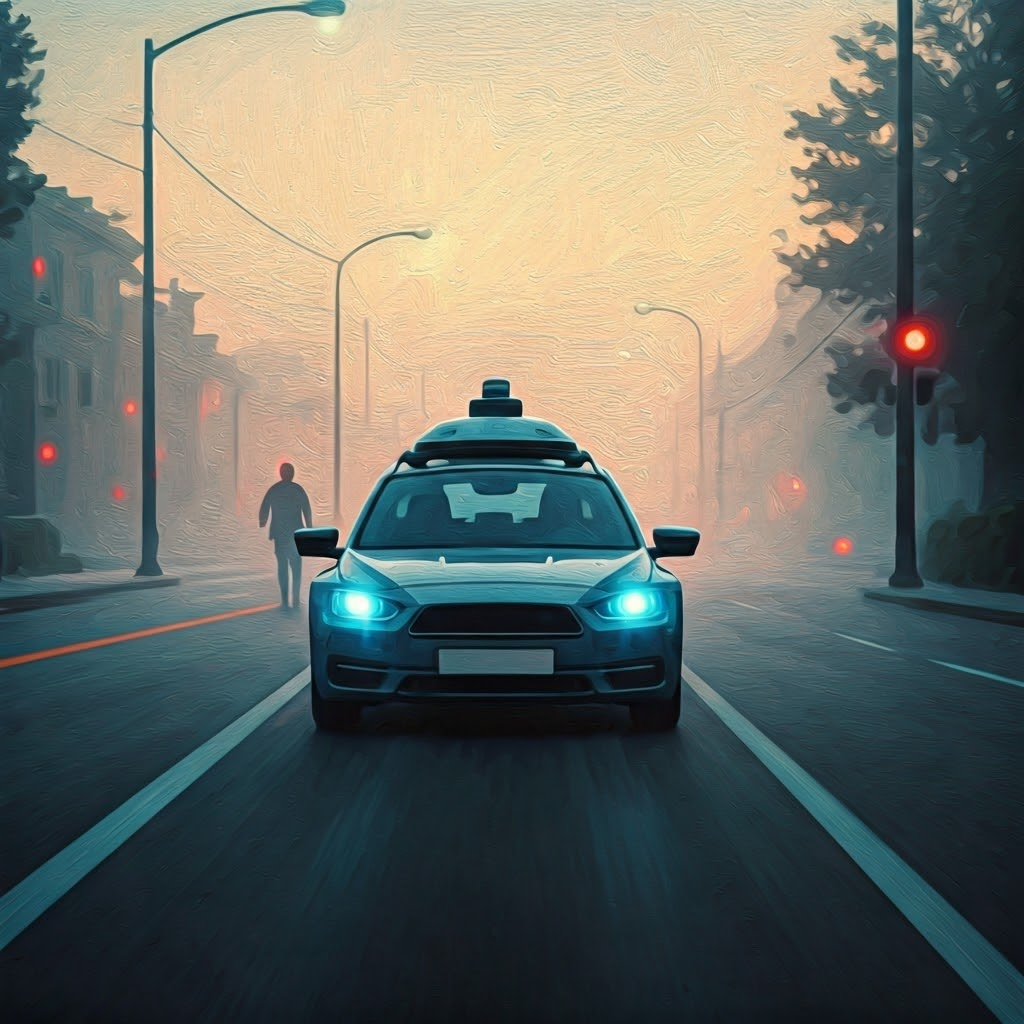
Perception: Teaching Cars to Recognize the World
Perception still has gaps. Graffiti on a stop sign can hide its meaning, plastic bags may look like hazards, and low sun can blind cameras. Lidar sees ghost reflections in thick fog, and radar can mistake metal signs for vehicles. Training covers every weather, light condition, and landscape.
By blending data, double-checking inputs, and learning from mistakes, self-driving systems keep improving. Each new sensor, algorithm tweak, and software update moves us closer to safer, more reliable travel for everyone on the road.
