
When the World Changed Overnight
In early August 1945 most people believed the war, though brutal, followed familiar rules. That belief vanished in a single flash.
The Day the Sky Lit Up

Hiroshima woke to warm summer air on 6 August 1945. At 8:15 a.m. a bomber dropped “Little Boy.” A blinding light—brighter than the sun—ripped across the sky. Houses shredded like paper. Stone steps kept only the shadows of people who vanished. Three days later Nagasaki suffered the same fate when “Fat Man” exploded.
The two blasts killed more than 100,000 people in seconds and injured countless others. Survivors called the event pikadon—flash-boom—because sound and sight merged into one horrifying memory.
Atoms, Explained Without Headaches

Every object is built from atoms, tiny units like unseen Lego bricks. Each atom holds a dense nucleus. Split that nucleus—a process called fission—and a speck of mass turns into a huge surge of energy.
One gram of uranium can match several tons of TNT. Einstein’s equation, , explains why; the speed of light squared makes even small mass incredibly potent. In a bomb, splitting one nucleus triggers many more in a runaway chain reaction, releasing heat hotter than the sun and deadly radiation.
Shockwaves: Fear, Awe, and the New Normal
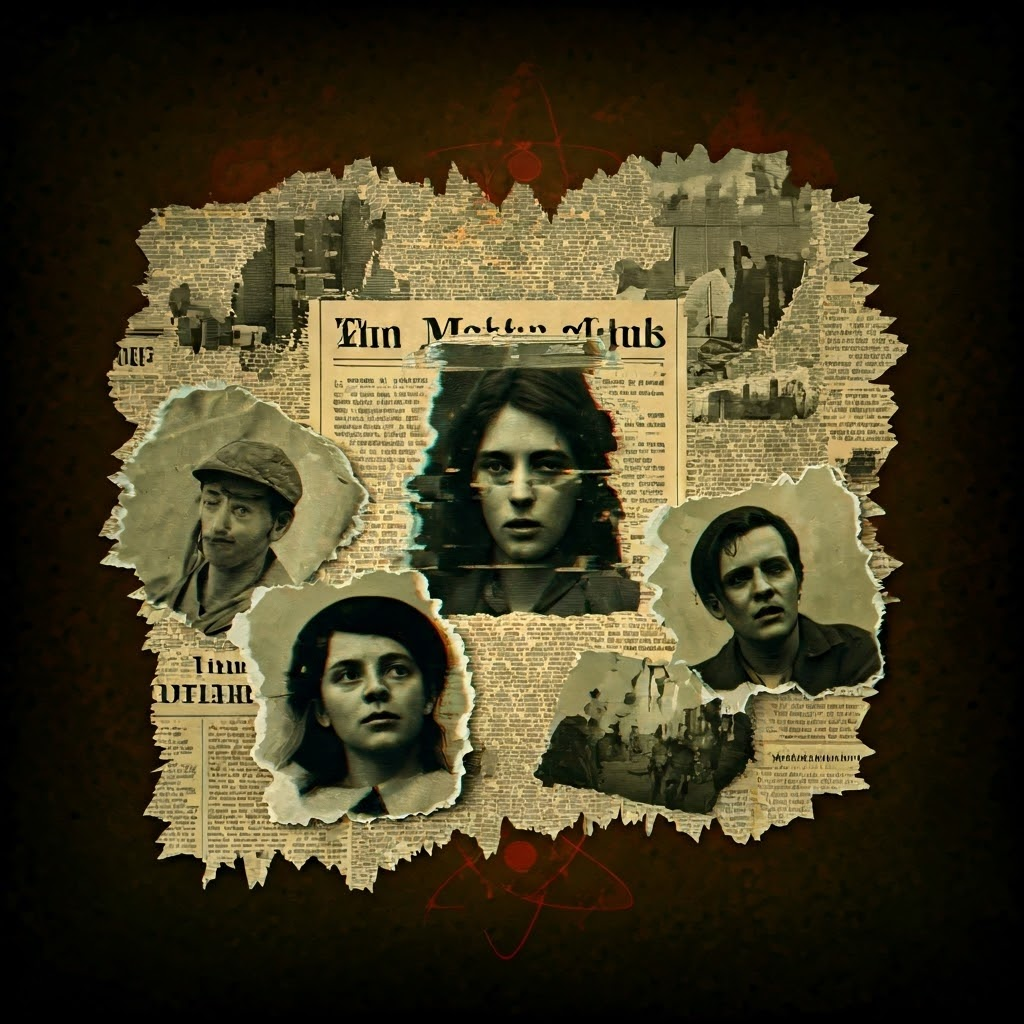
News of the bombings spread quickly. People felt awe at the science, relief that the war might end, and deep fear of what the new weapon meant. In Japan the hibakusha battled burns and mysterious radiation sickness that doctors barely understood.
Shockwaves: Fear, Awe, and the New Normal (continued)

Families watched loved ones decline months or years after the blast. Far away, people studied photos of flattened cities and wondered if their own towns could disappear as quickly. The bomb became a symbol of both power and doom. Toys, comics, and classroom drills carried atomic themes, yet a silent anxiety settled into daily life.
Dreams of Control: The Baruch Plan
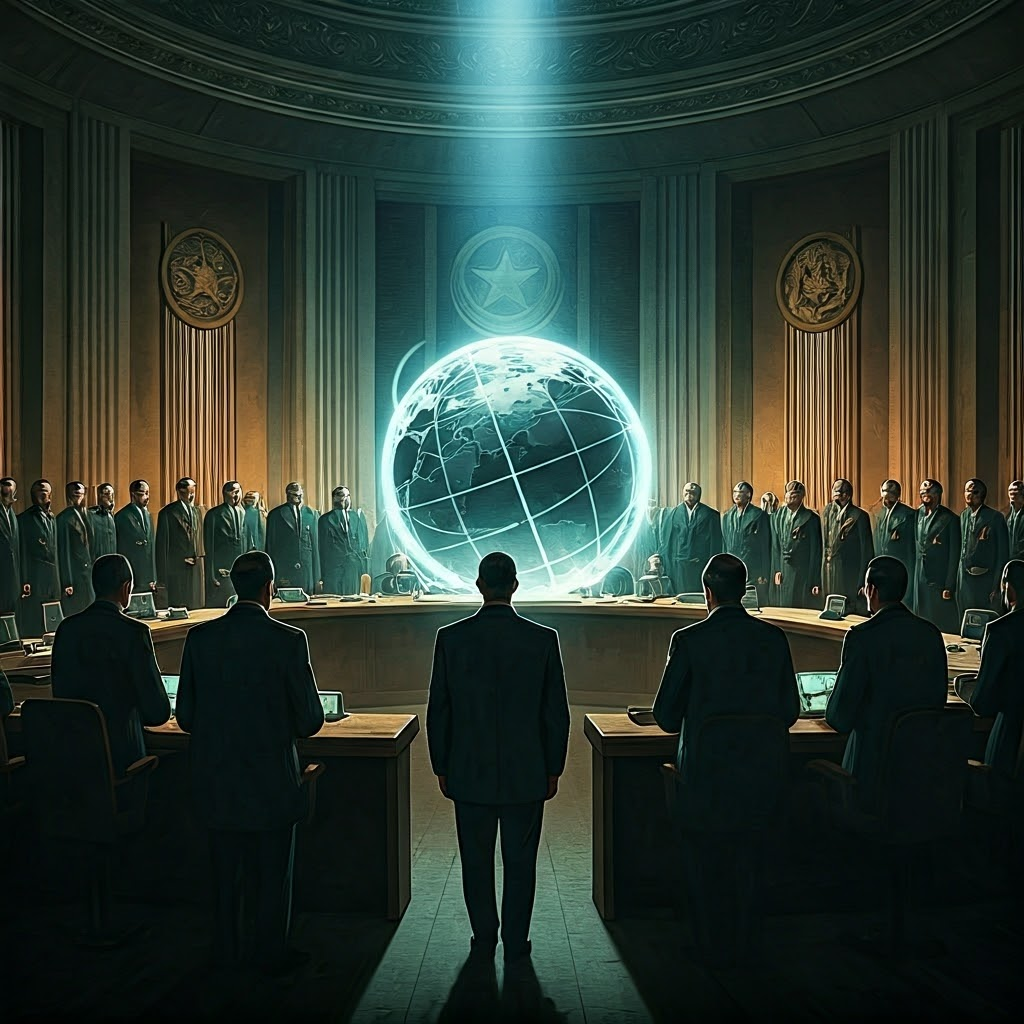
In 1946 U.S. diplomat Bernard Baruch proposed an international agency to oversee all atomic energy, halt weapon spread, and allow inspections. In return, America would share some secrets. Trust proved scarce. The Soviet Union refused limits on its future arsenal, talks collapsed, and hopes for unified control faded.
The failure sparked a nuclear arms race. More nations pursued their own bombs, each suspicious of the others. The nuclear age reshaped politics and etched a new, constant anxiety into world consciousness—everything familiar could vanish in a flash, and there was no going back.
