
Canvas, Camera, and the Written Word: Breaking the Frame
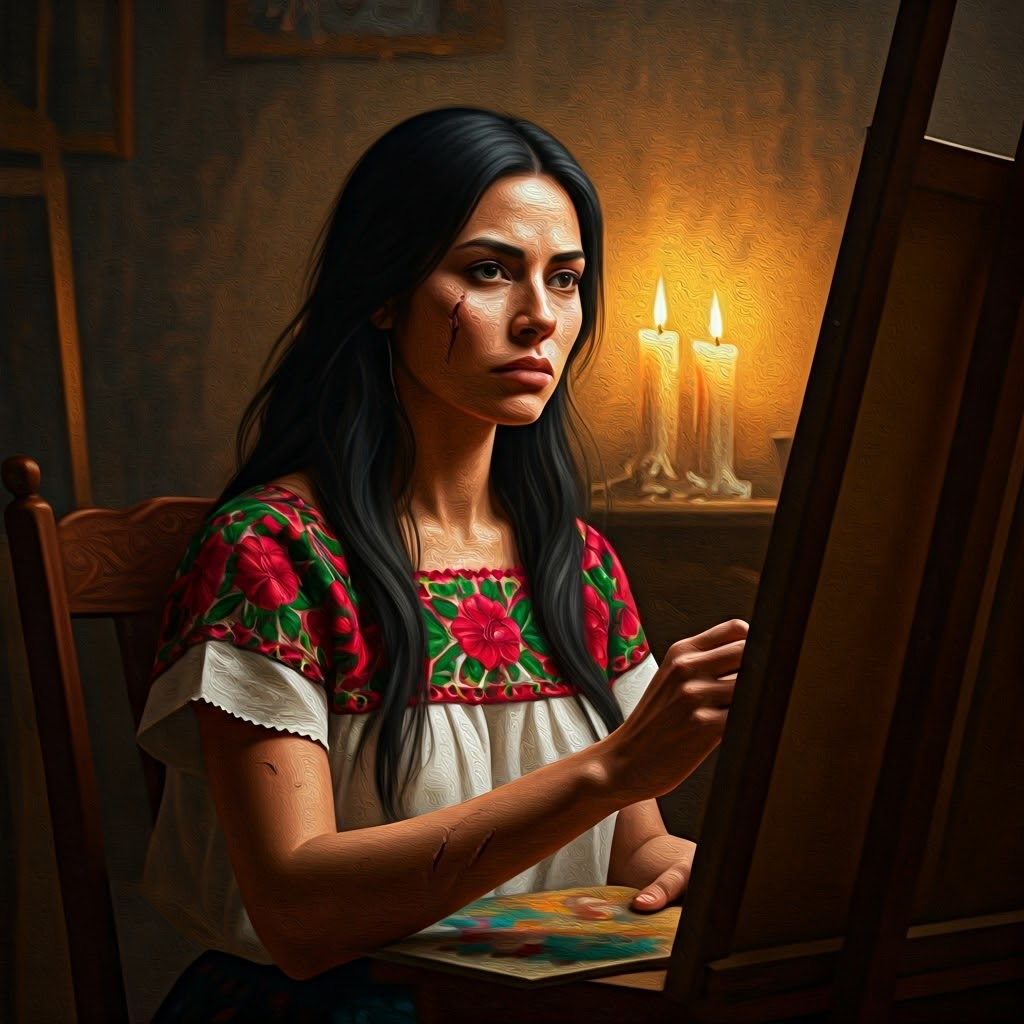
Art changes how we see the world. Women artists have often led this change, even when the rules tried to keep them out. Each time they broke a boundary, they widened the view for the rest of us.
Frida Kahlo: Painting Pain and Power
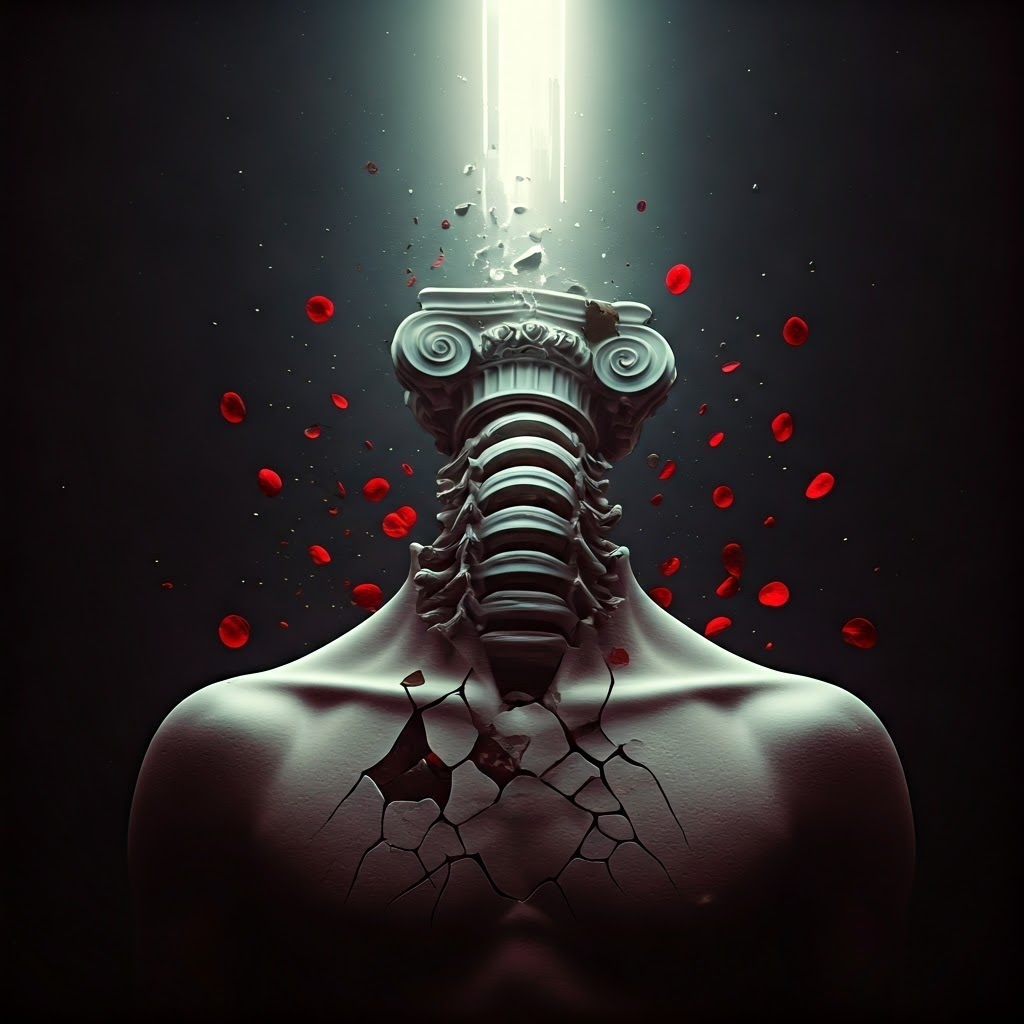
Frida Kahlo turned her hospital bed into a studio. She painted suffering so plainly that the viewer feels it too. Her bold self-portraits invite you to witness both injury and defiance.
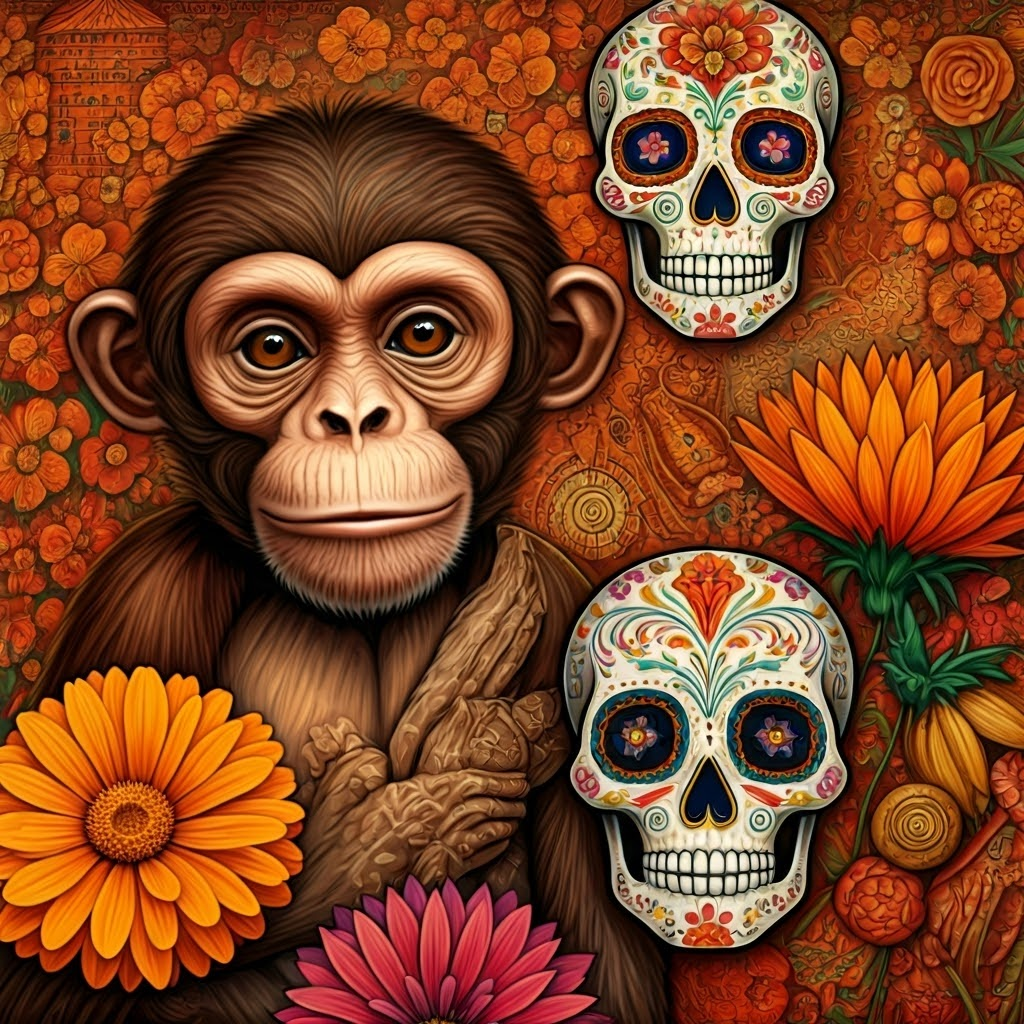
Kahlo’s visual language blends folk symbols with autobiography. A playful monkey beside a skull shows how she connected joy and mortality. That mix made her work uniquely radical.
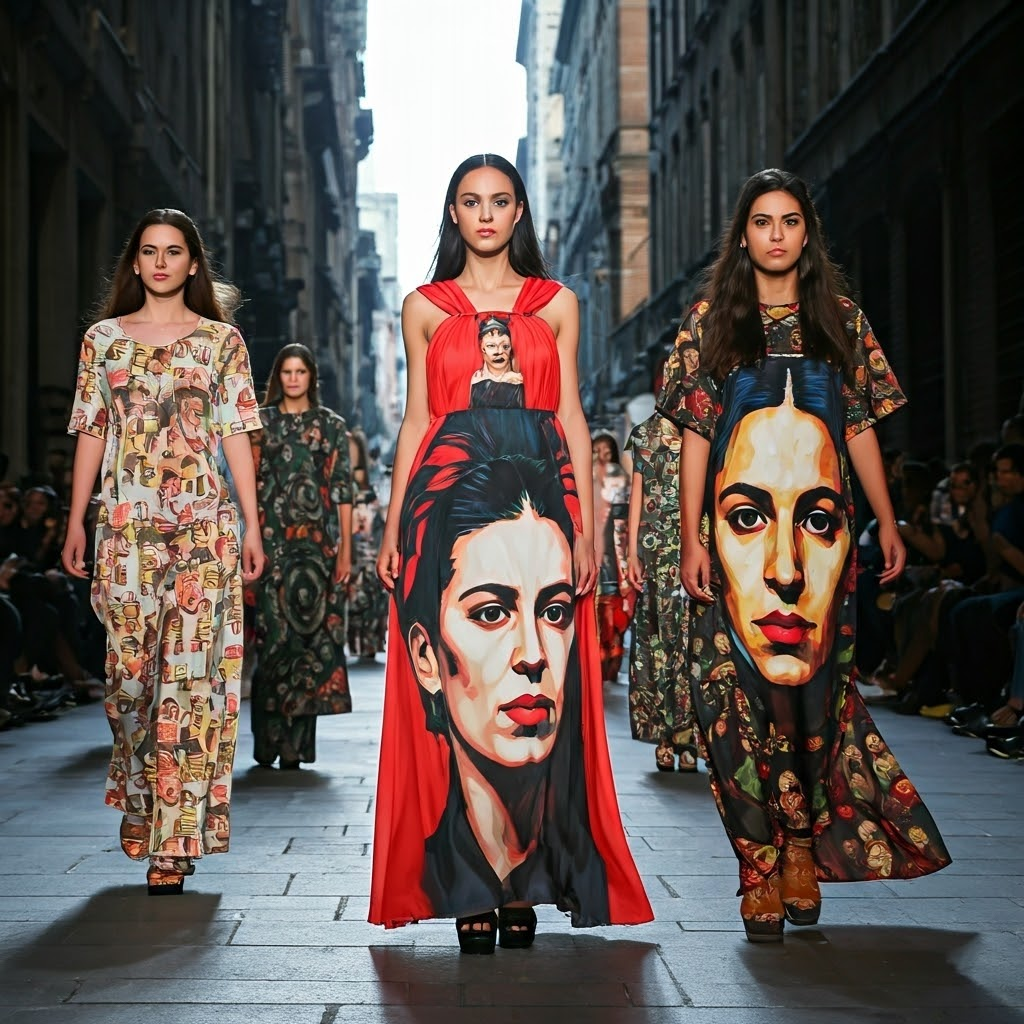
Today her influence stretches across painting, fashion, and activism. Any artist who turns private hurt into public strength walks in Kahlo’s footsteps.
Votes, Voices, and Visuals: Suffrage Art and Modernism
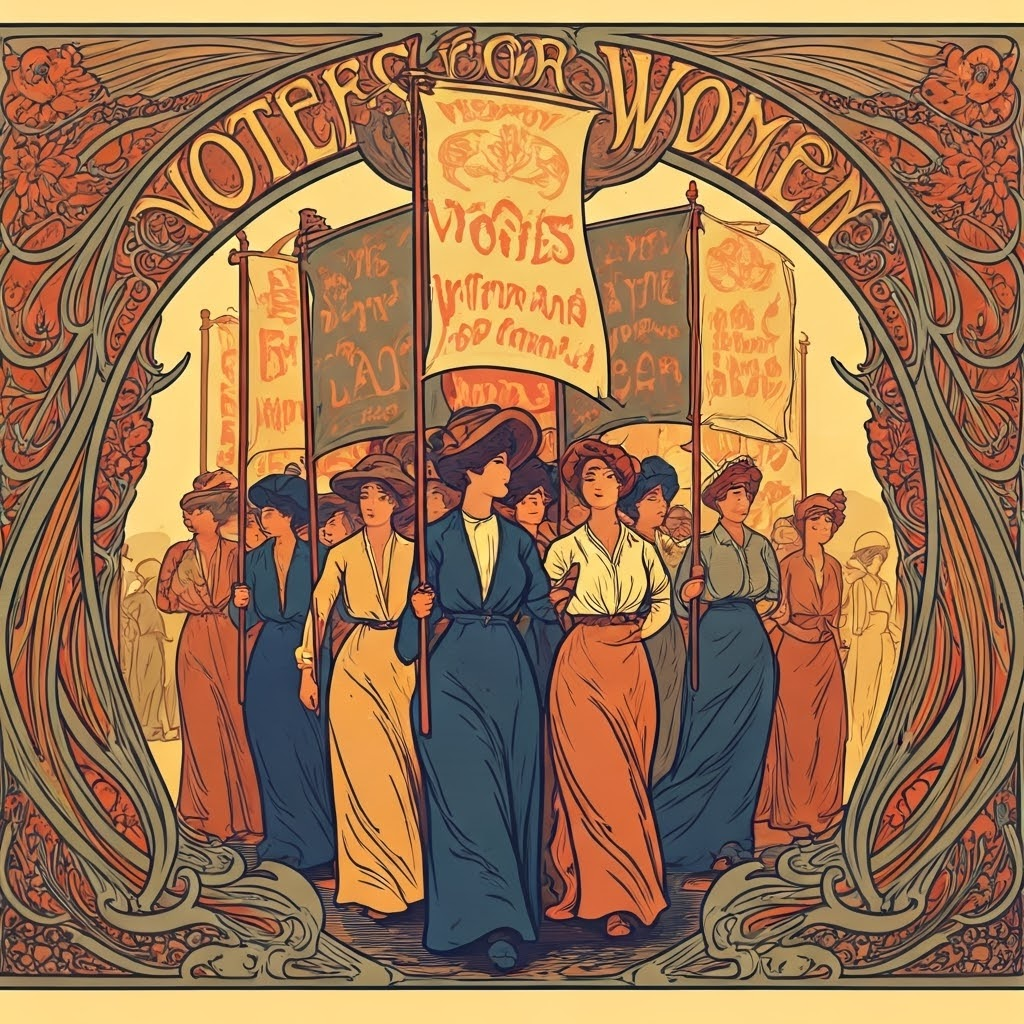
Early suffragists knew images travel faster than speeches. Bright posters of determined women countered hostile headlines and made their message impossible to ignore.
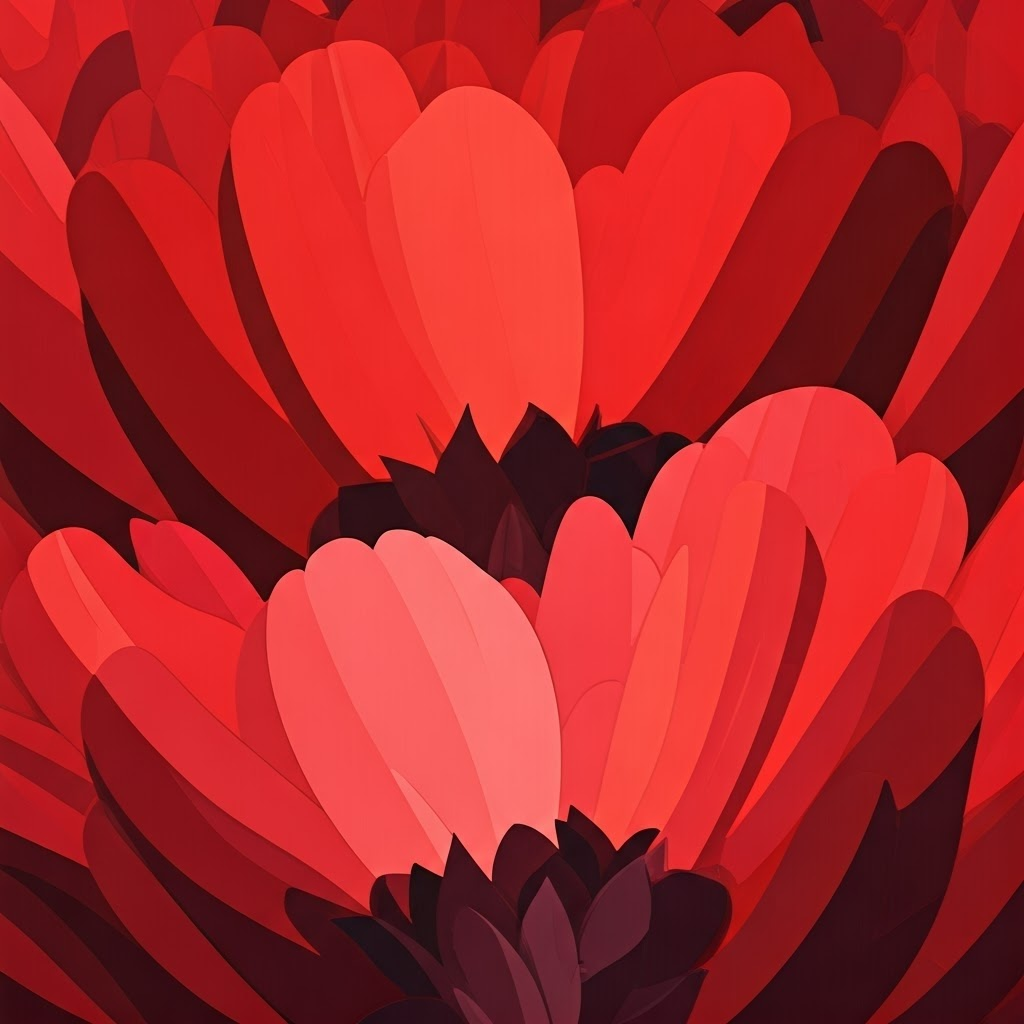
Modernism opened new forms, and women seized them. Georgia O’Keeffe magnified flowers until they felt vast. Her close-ups turned the ordinary into something transformative.
Behind the Lens: Women in Early Photography and Film
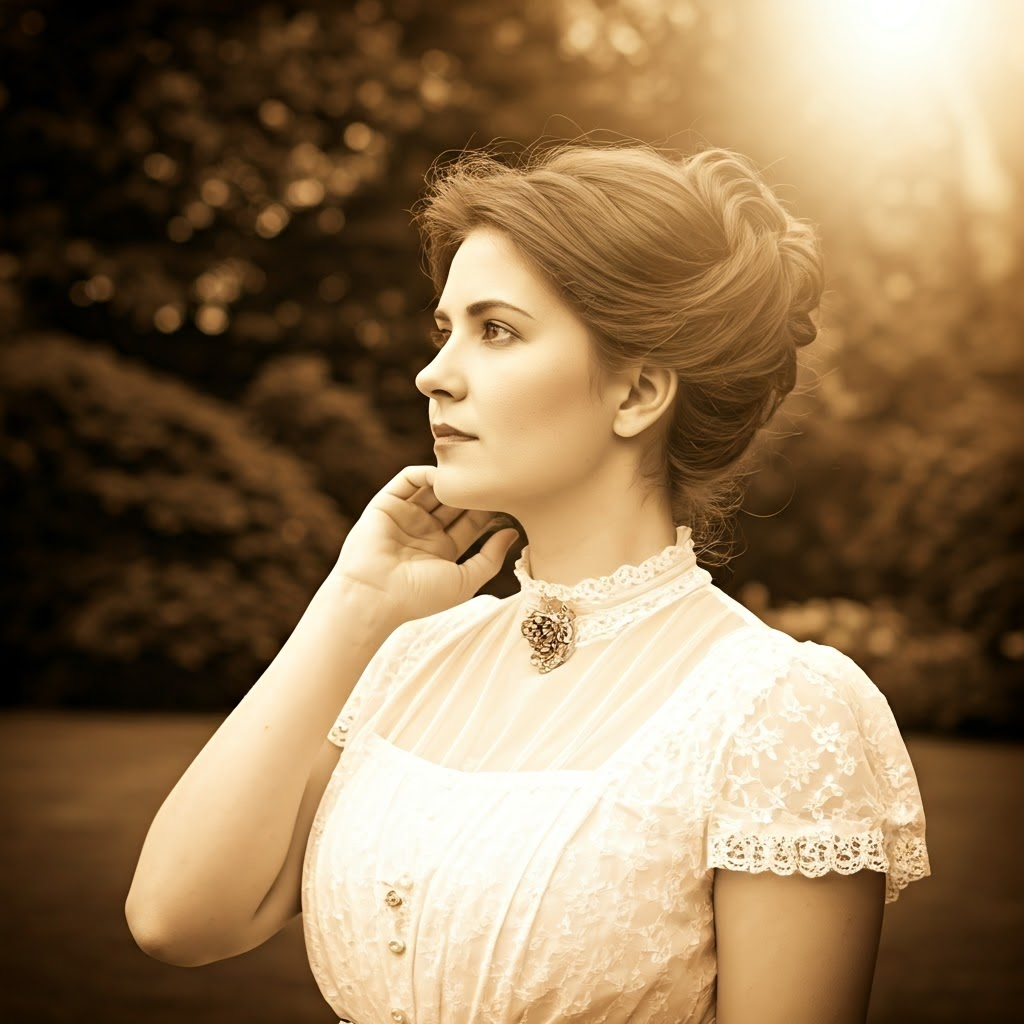
Julia Margaret Cameron ignored technical rules and chased emotion. Her blurred portraits felt intimate, proving photographs could hold poetry.
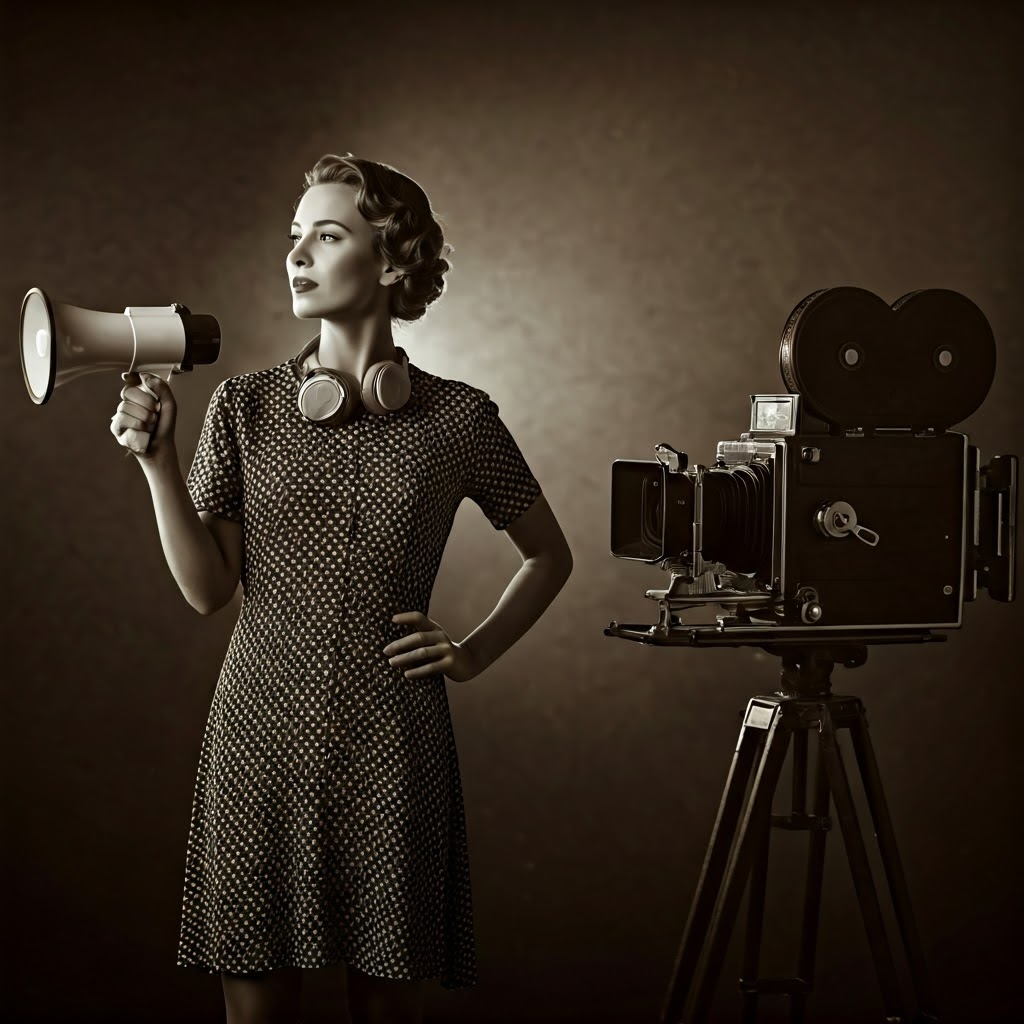
Alice Guy-Blaché directed hundreds of early films and pioneered cinematic grammar. Her stories placed women at the center, challenging the dominant gaze of her era.
Why Breaking the Frame Still Matters
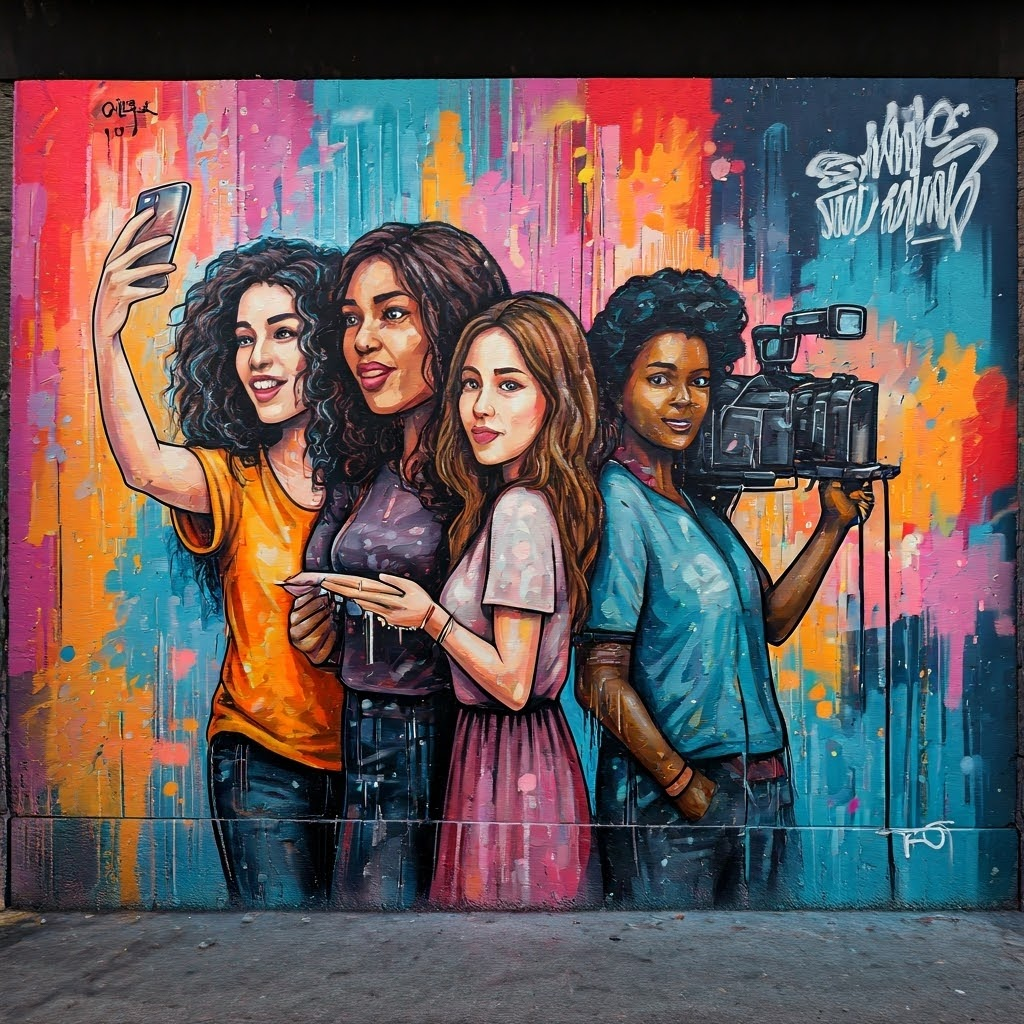
Innovators like Kahlo, suffrage artists, and early filmmakers built new tables instead of waiting for seats. Each personal vision reshaped public sight. When you share your own view—through a photo, a painting, or a post—you continue their work of expanding what is possible.
