
Why Break Away? The Sparks That Lit the Fire
Taxation, Trade, and Tension
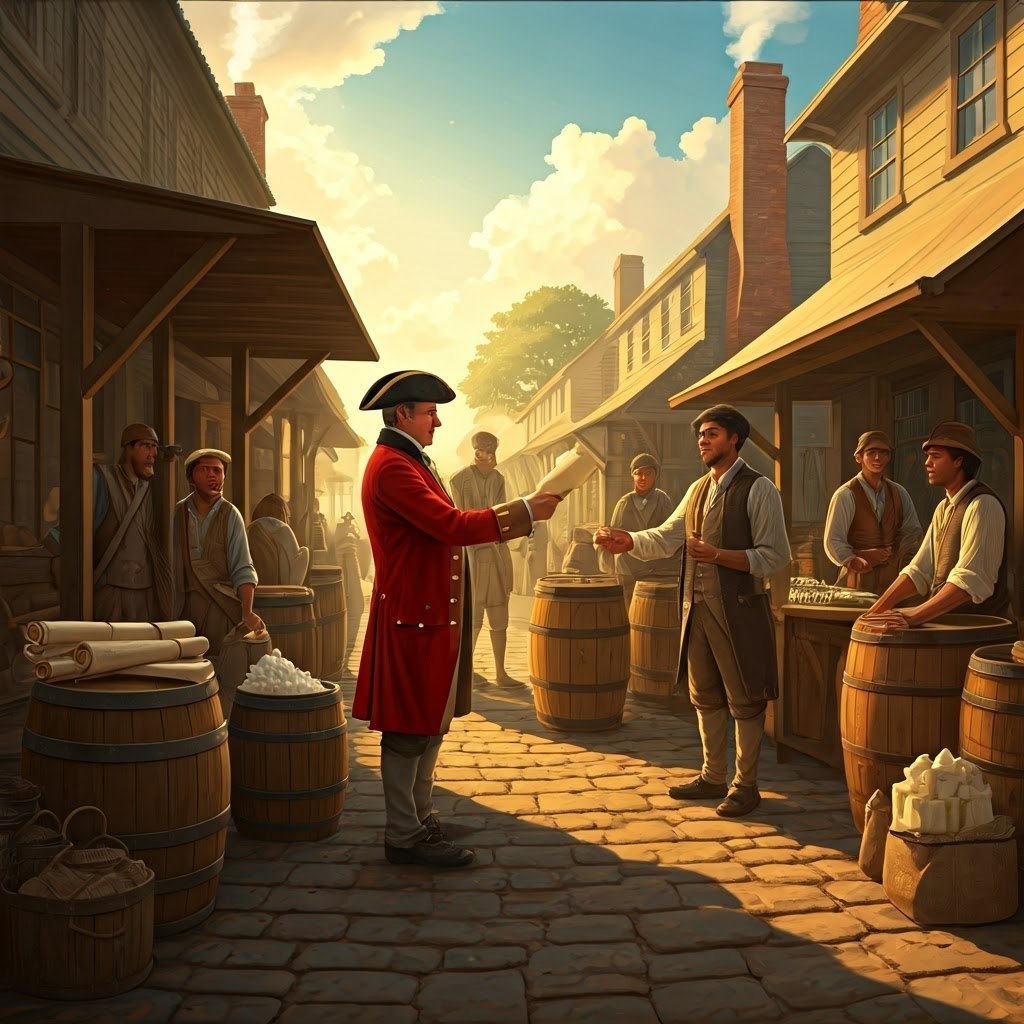
Think about the surprise fee on a bill that ruins your mood. British taxes felt the same to colonists after the costly French and Indian War. London added charges on sugar, paper, and tea, insisting the colonies contribute more.
The sting grew sharper because Parliament imposed these rules from across the ocean, where colonists had no voice. “No taxation without representation” became their banner. Imagine buying shoes while strangers abroad set the tax and simply say—trust us.
Taxation, Trade, and Tension
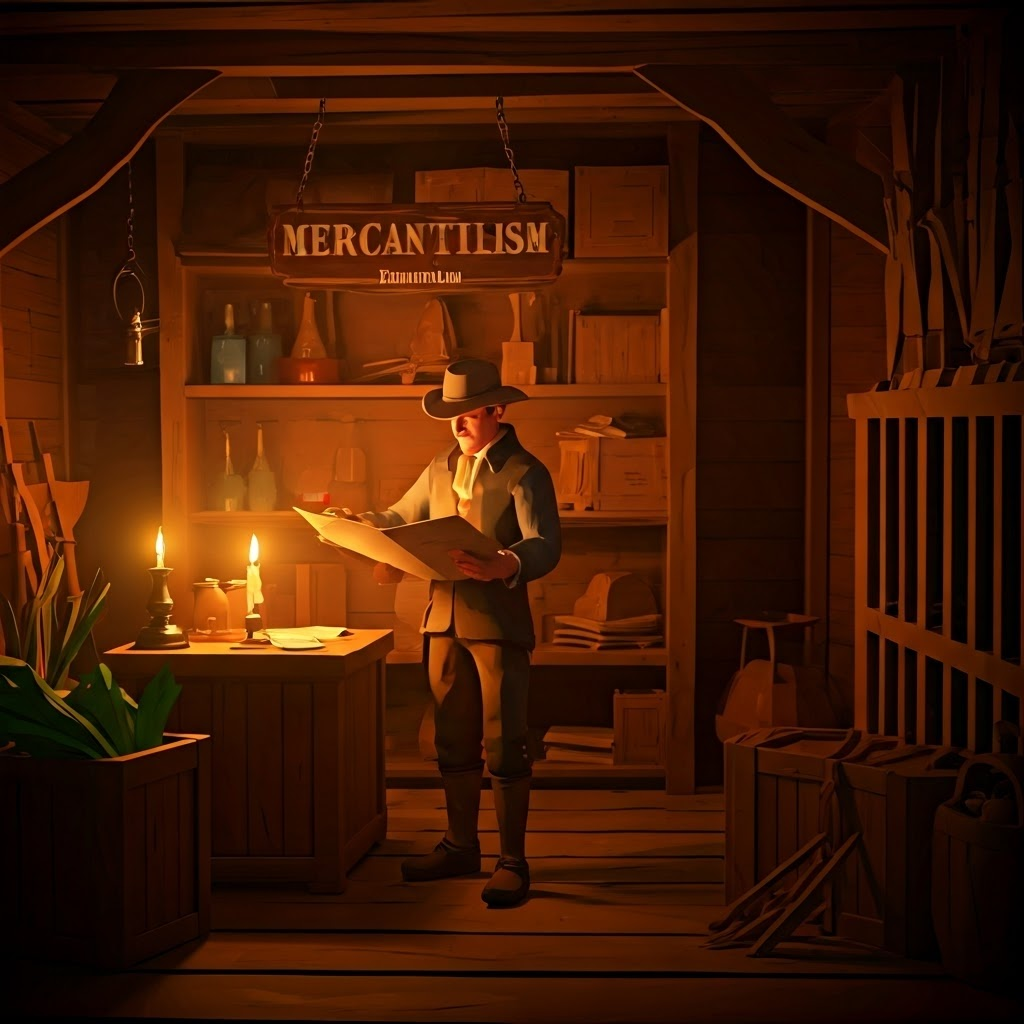
Taxes were only part of the problem. British mercantilism dictated what colonists could sell, whom they could buy from, and at what price. Merchants felt locked in the empire’s most overpriced shop.
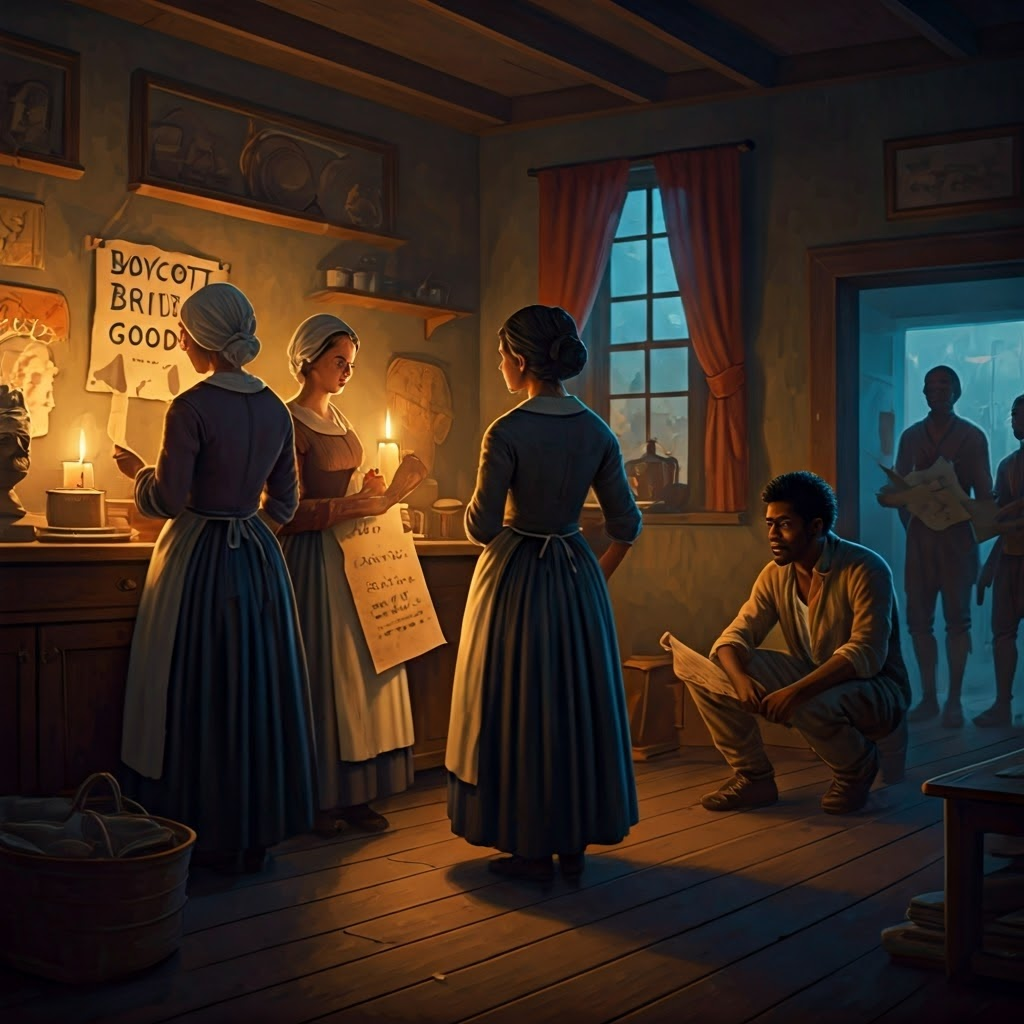
Farmers struggled to get fair payment for crops or affordable tools. Seeing themselves treated as assets, many colonists boycotted British goods or smuggled supplies. Everyday annoyances slowly hardened into anger, preparing them for bigger clashes.
Words That Moved a Crowd
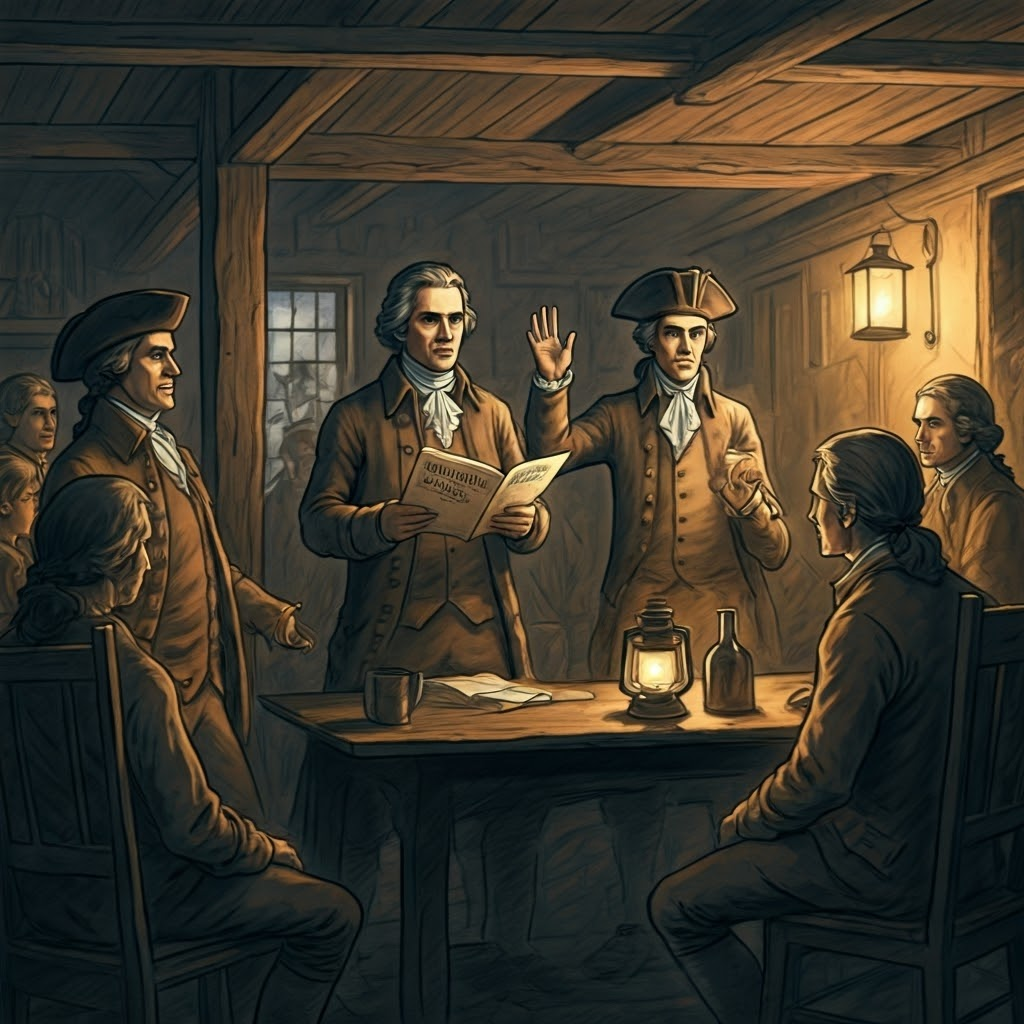
Without social media, colonists relied on pamphlets and newspapers passed hand to hand, read aloud in taverns, and debated in streets. These slim pages spread ideas faster than gossip.
Thomas Paine’s Common Sense exploded in 1776, selling over 100,000 copies. Paine wrote plainly, urging ordinary people to view independence as not risky but obvious—“’Tis time to part.”
Words That Moved a Crowd
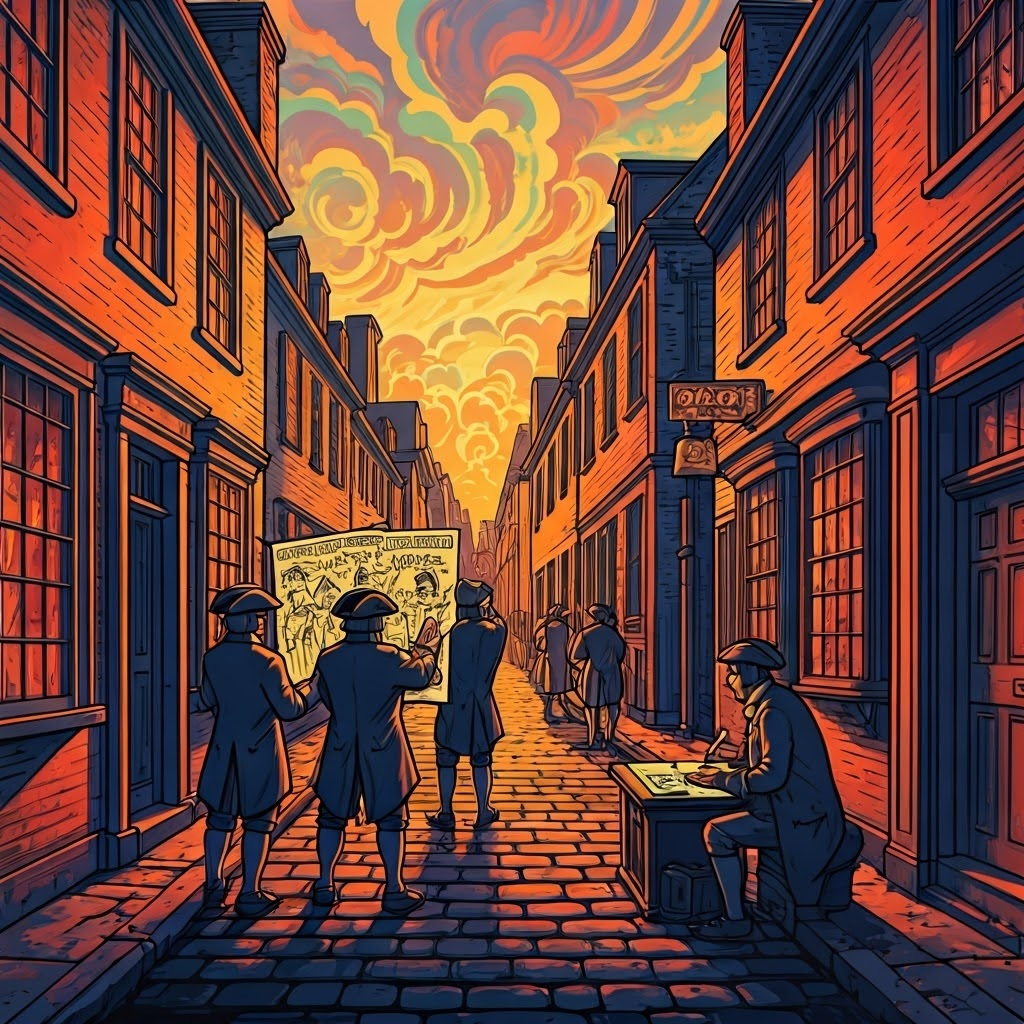
Paine was not alone. Newspapers covered riots against customs officers, essays challenged unfair taxes, and political cartoons mocked royal officials. Together they fostered a shared resentment.
Discussions filled meetings, churches, and dinner tables, giving people common arguments and a sense of belonging. In a pre-internet world, the pamphlet was revolutionary technology.
Not Everyone Agreed
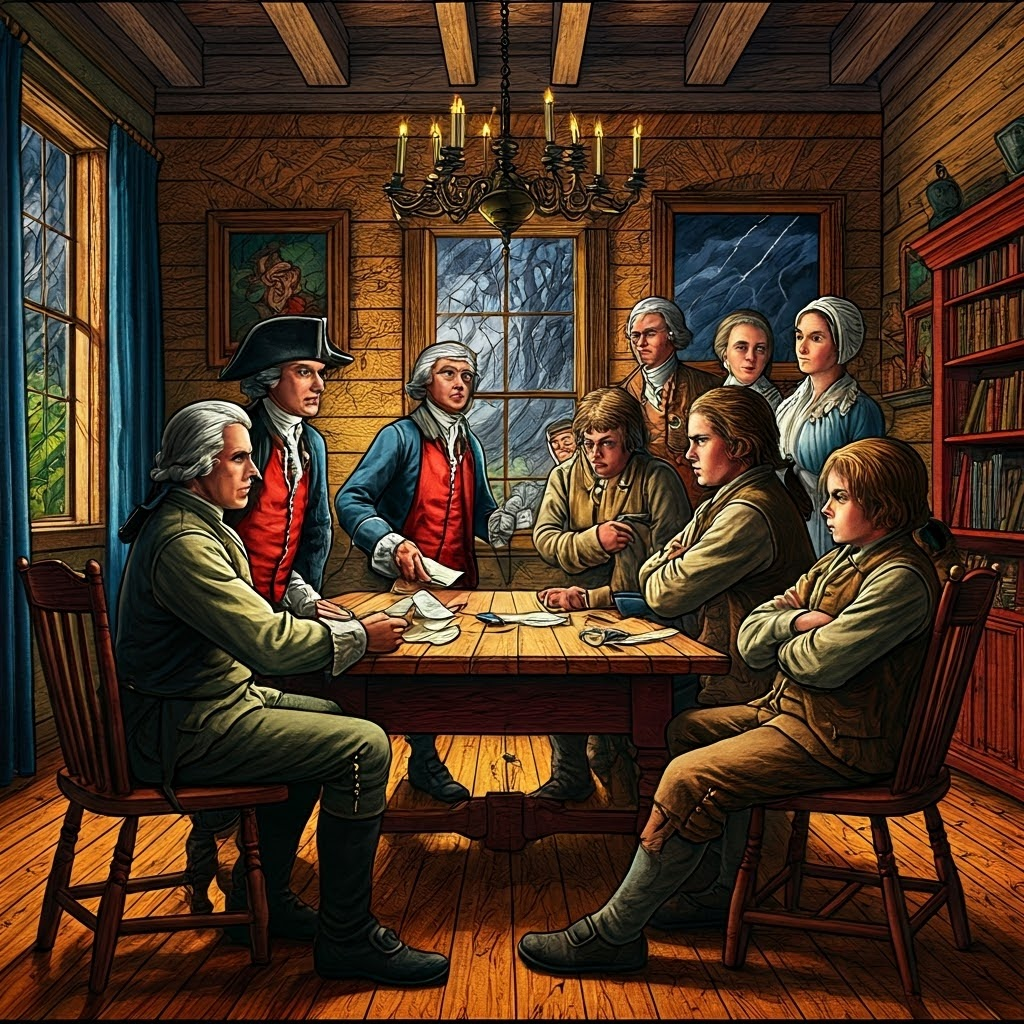
Rebellion was never unanimous. Some colonists, later called Loyalists, clung to Britain, fearing chaos or believing troubles would pass.
Others tried to stay neutral, focused on shops or farms. Arguments split families, strained friendships, and sometimes turned violent.
Not Everyone Agreed
Women, though barred from formal politics, found ways to act—organizing boycotts, managing businesses, or writing satire like Mercy Otis Warren.
Enslaved people faced wrenching choices. Some joined colonial forces seeking freedom; others sided with Britain, which sometimes promised the same. Indigenous nations, protecting land, picked sides carefully or avoided the fight.
Not Everyone Agreed
Amid this swirl of voices, the revolution began as a messy conversation, not a single speech.
What finally united people was the belief that ordinary citizens could question authority and shape their destiny. The real spark was simply deciding that enough was enough—and change, however risky, was worth it.
