
Why AI Needs a Moral Compass

AI touches hiring, healthcare, finance—even law. To guide these powerful tools, we need values that keep people safe and included.
The Many Faces of Bias

When an AI tool favors one group over another, we call that bias. The problem often begins with the data. If past resumes mostly feature men, the system may think success looks male.
Bias also slips in during design. A team from one background can overlook what matters to others, so the AI ignores key signals.
Deployment creates fresh issues. A voice assistant fine-tuned for American accents may stumble with Scottish or Indian voices—leaving users feeling excluded.

AI now helps decide loans, jobs, and even policing. Unchecked bias worsens these areas. Diverse teams, balanced data, and routine fairness checks reduce the harm.
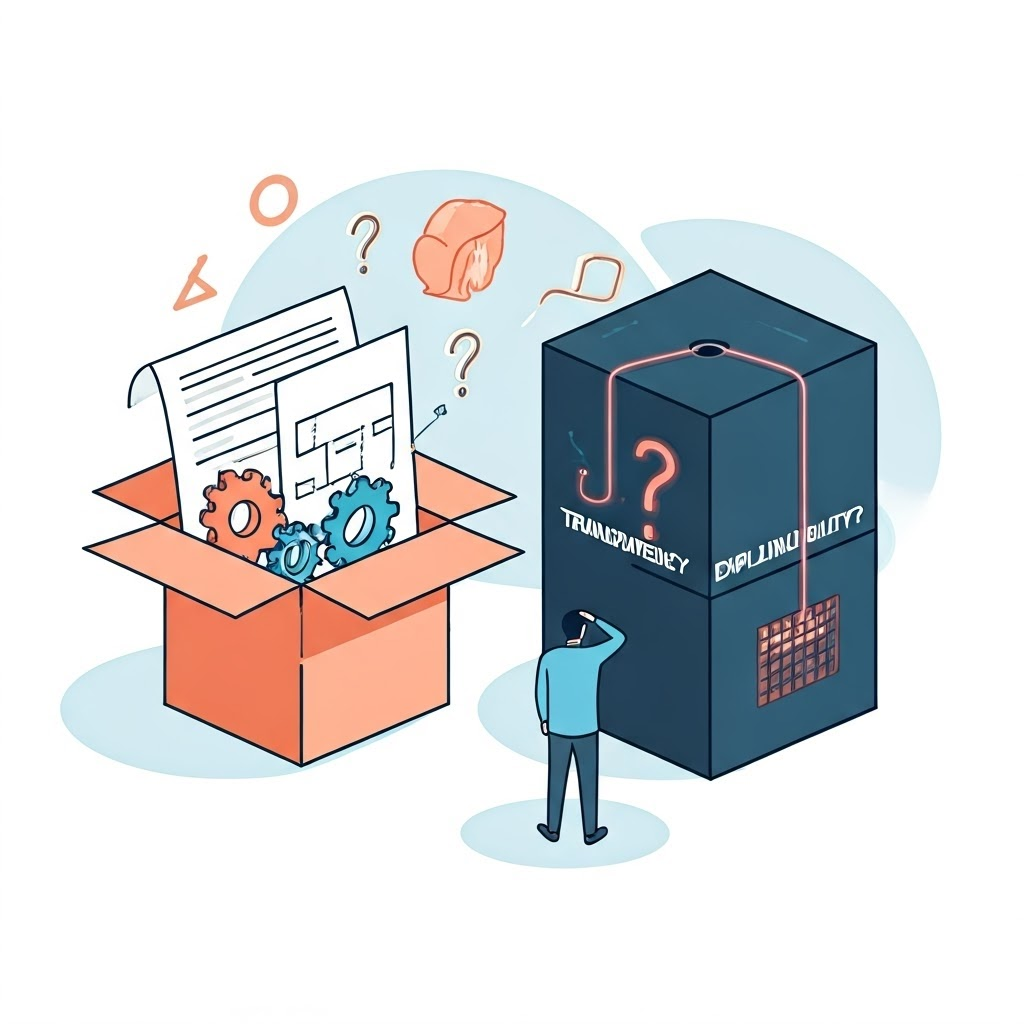
Making Sense of Explainability and Transparency
People distrust a black-box. Explainability answers “why” a choice was made, while transparency lets outsiders inspect models and data.

Clear explanations and outside audits build trust. In banking, medicine, or law, knowing the reasons behind AI output is as vital as the result.

Keeping Your Data Safe: Privacy in AI
Whenever you use an app, fragments of data flow into training sets. Differential-privacy adds noise so no one can trace insights back to you.

Federated-learning trains models on your device. Only lessons—not raw data—leave your phone, reducing exposure to hacks.
Protecting privacy may slow progress a bit, but many feel the trade-off is worthwhile.

Seeing and Reducing Bias
Stay alert for AI that feels off—like an autocorrect that mangles your name. Raising a concern can spark a fix.
Choose tools that let you review or delete data and explain their AI. Your feedback steers technology toward a fairer future.
