
Salons, Science, and the Spark of Change
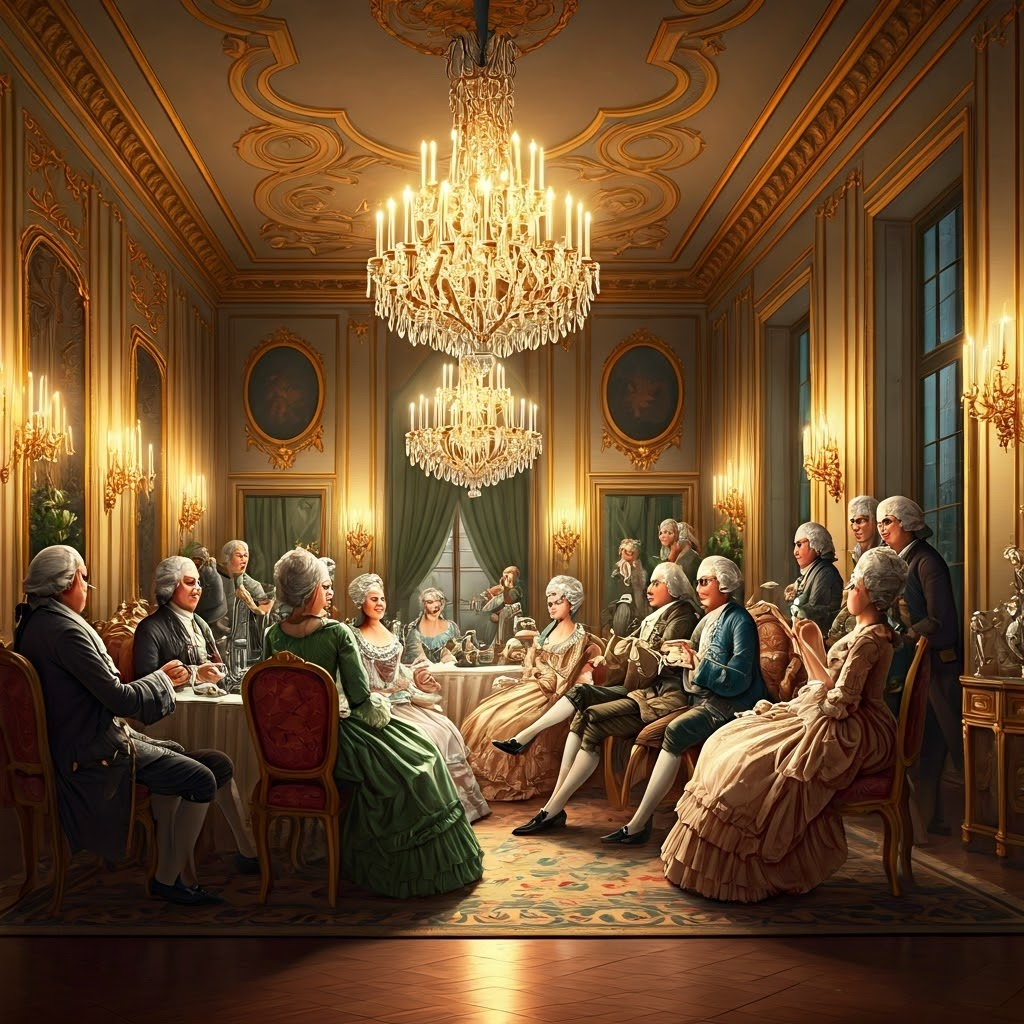
Gathering in the Drawing Room
Imagine stepping into a Paris apartment in the 1750s. Soft light fills the room and an excited hum of conversation surrounds you. Philosophers debate new English theories while laughter and the clink of porcelain drift through the air. At the center of this salon stands a sharp-minded hostess guiding every exchange.
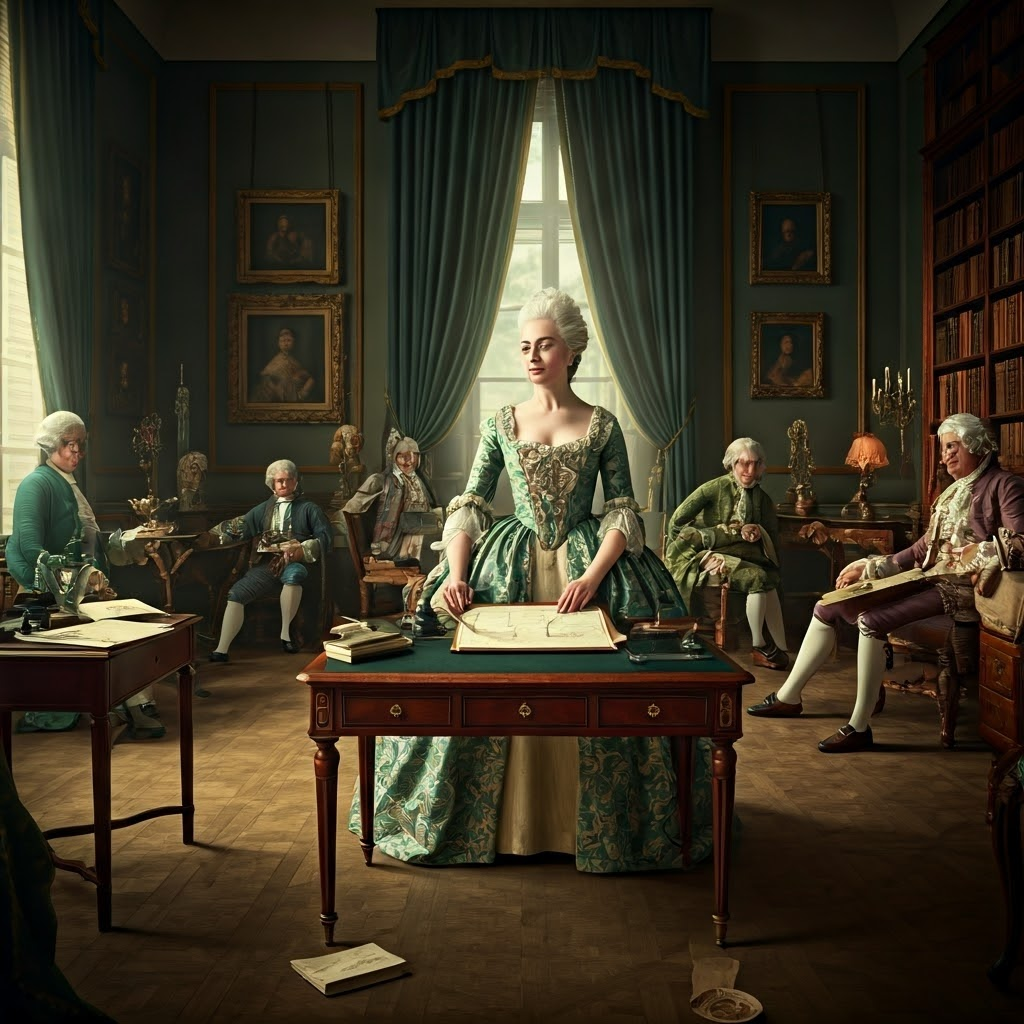
Madame Geoffrin welcomed painters, scientists, nobles, and writers every Monday. Her simple rule—bring something interesting—kept talk fresh. Guests praised her polite yet firm style. She protected everyone’s right to speak, no matter their rank, and this openness drew thinkers like Diderot and Voltaire back week after week.
These gatherings mixed people who rarely met elsewhere. Hostesses shaped the agenda and steered debates. Historian Dena Goodman calls salons “schools of civility and taste.” They were also safe zones where new and sometimes radical ideas could surface without official scrutiny.
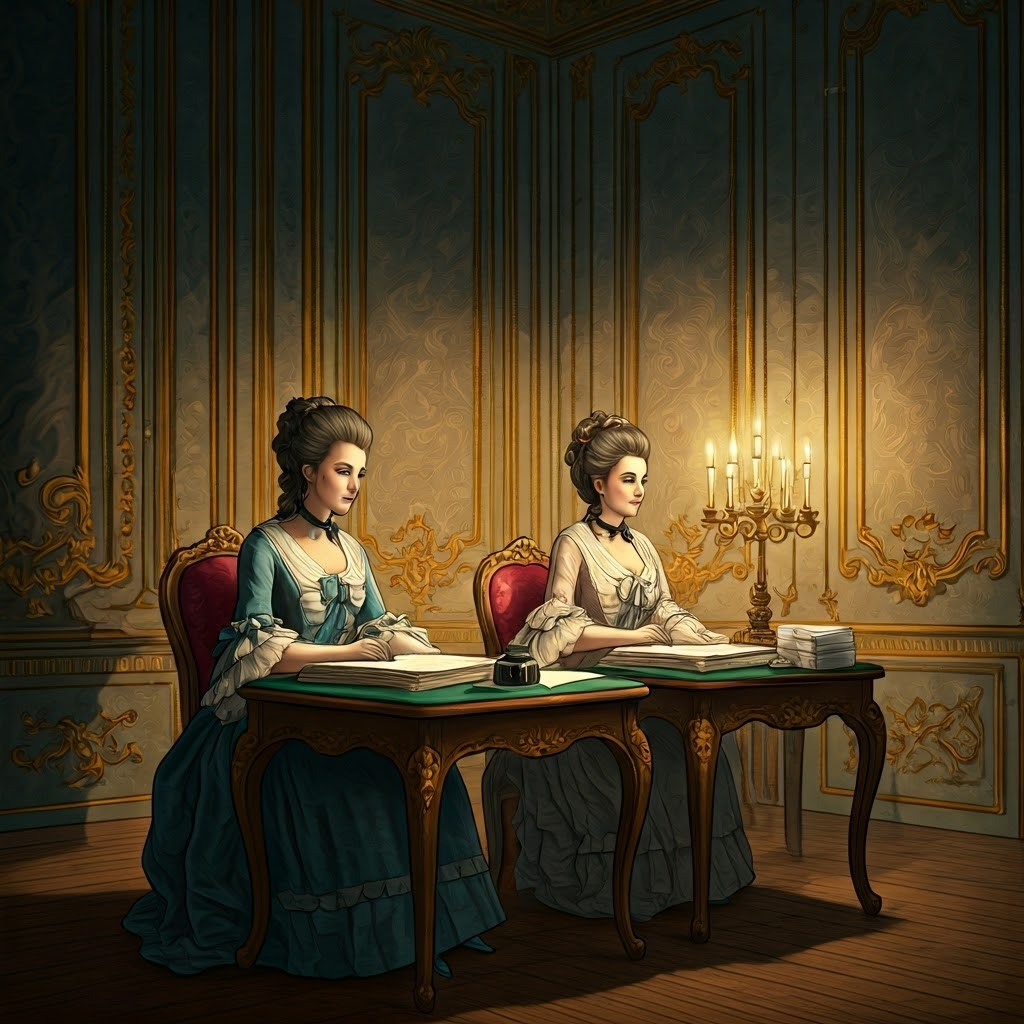
Letters from Madame du Deffand show how tightly women managed discussions. By keeping tempers in check, they let bold thoughts on democracy and tolerance spread. Many historians argue that without salons, encyclopedias and daring pamphlets would have struggled to find an audience.
Science in Skirts
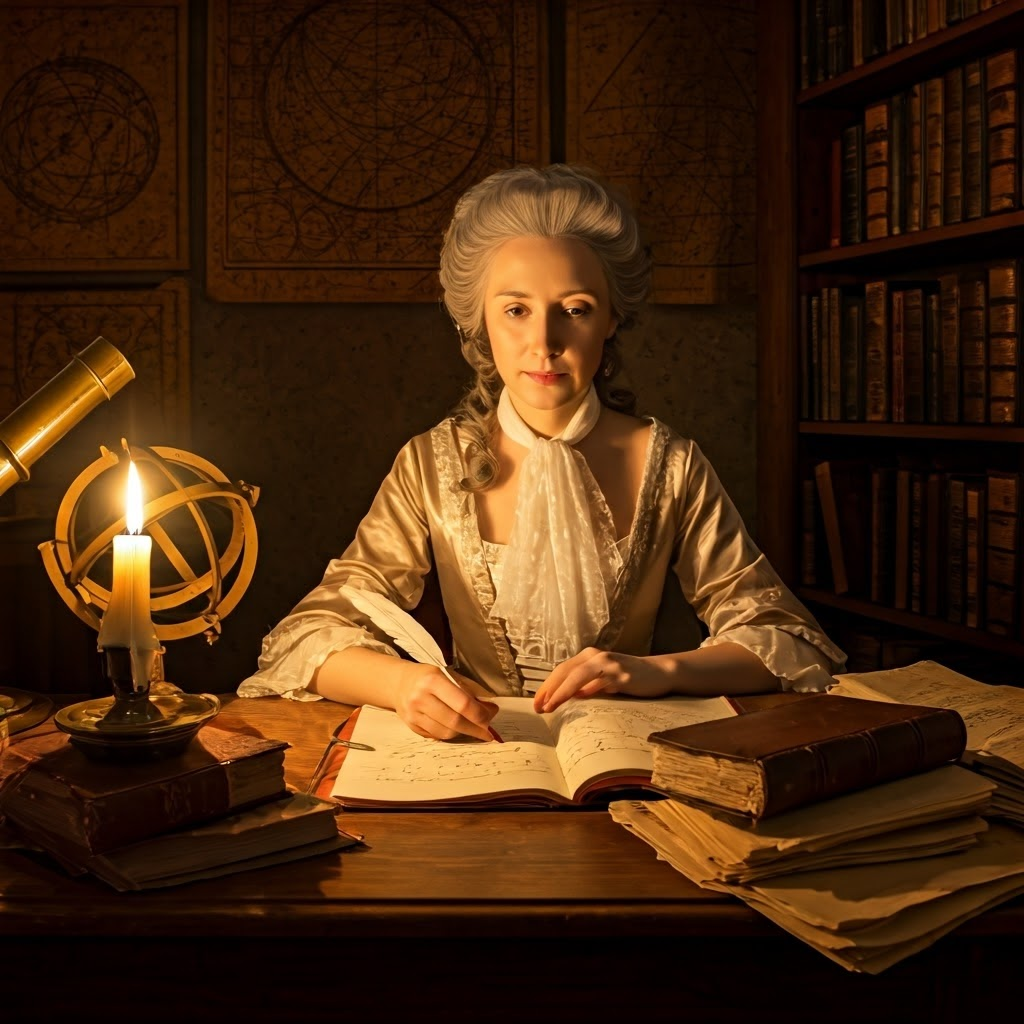
Enlightenment science often began in drawing rooms, not laboratories. One standout is Émilie du Châtelet. She mastered mathematics and physics when women rarely earned such respect. Her French version of Newton’s Principia remains the standard today. In her notes, she even corrected parts of his work.
Voltaire, her partner for a time, openly admitted she taught him more science than any school ever did. Her story shows that determination and sharp intellect could turn limited resources into lasting contributions.
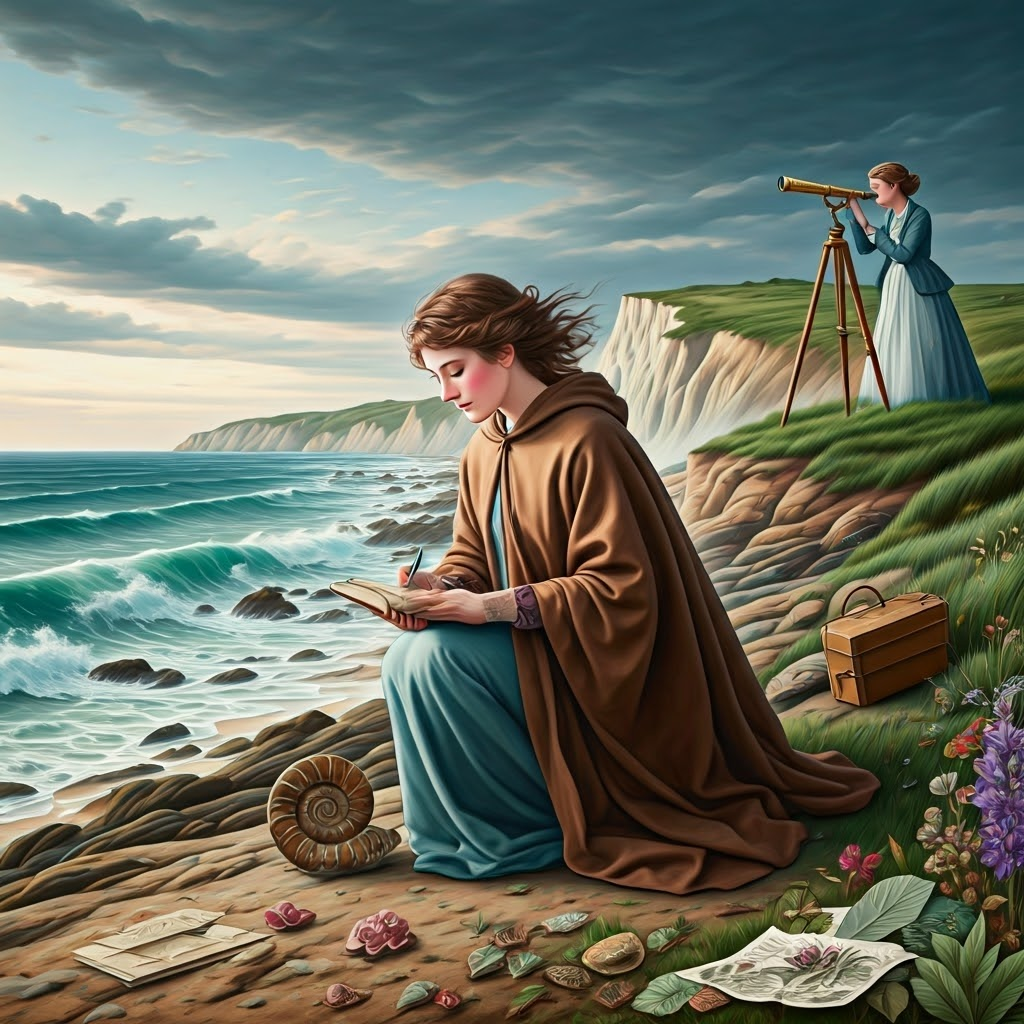
Access to books, instruments, and time was scarce for women. They adapted. Caroline Herschel began by cleaning lenses for her brother yet soon discovered eight comets and earned the Royal Astronomical Society’s gold medal. Across Europe, women quietly gathered plants, ran family observatories, and wrote experiments at night.
Society often erased their names in publications. Fossil hunter Mary Anning lamented exclusion from the Geological Society “because I am a woman.” Her finds nonetheless reshaped views of ancient life.
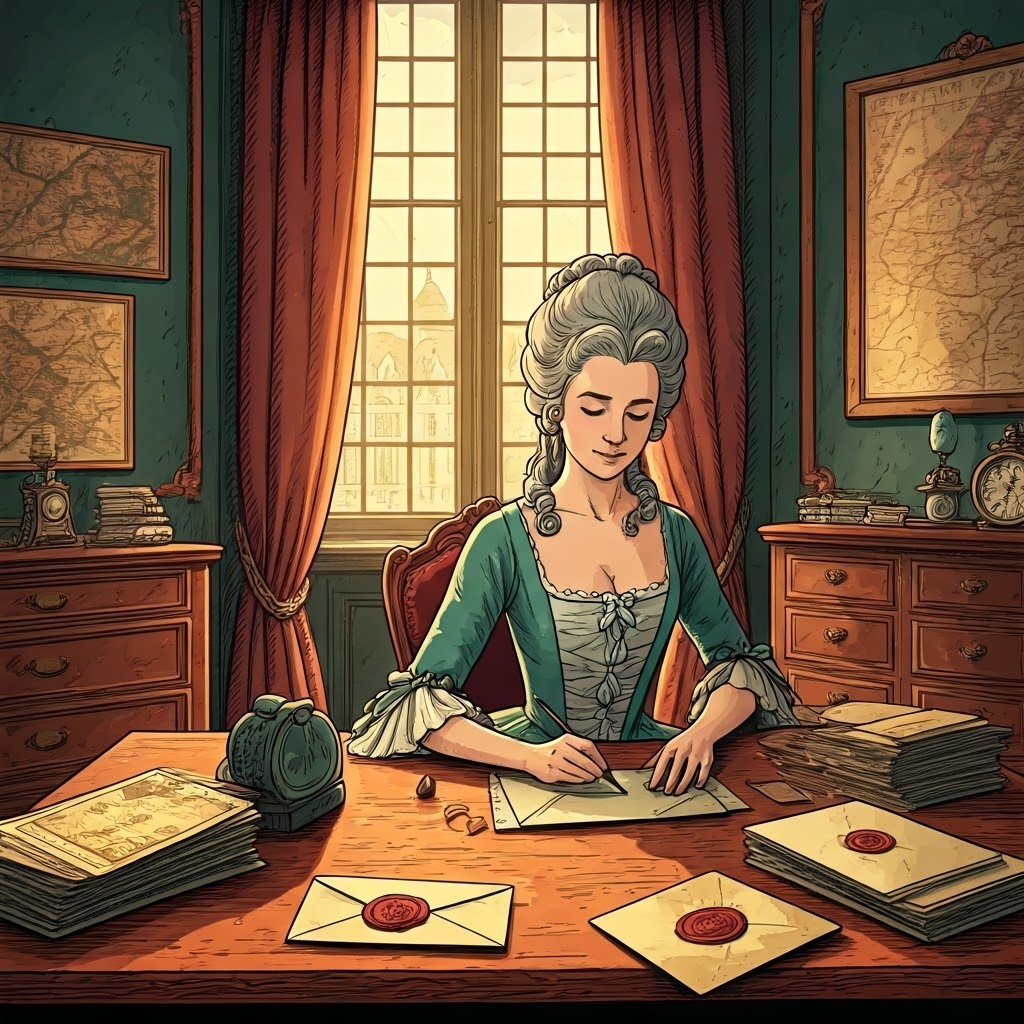
Yet the web of salons and correspondence offered support. Du Châtelet wrote nightly to leading scientists, slipping calculations and jokes into her letters. They reveal the strain of secret work after her household slept and remind us that steady persistence fuels change.
Ideas on the Move
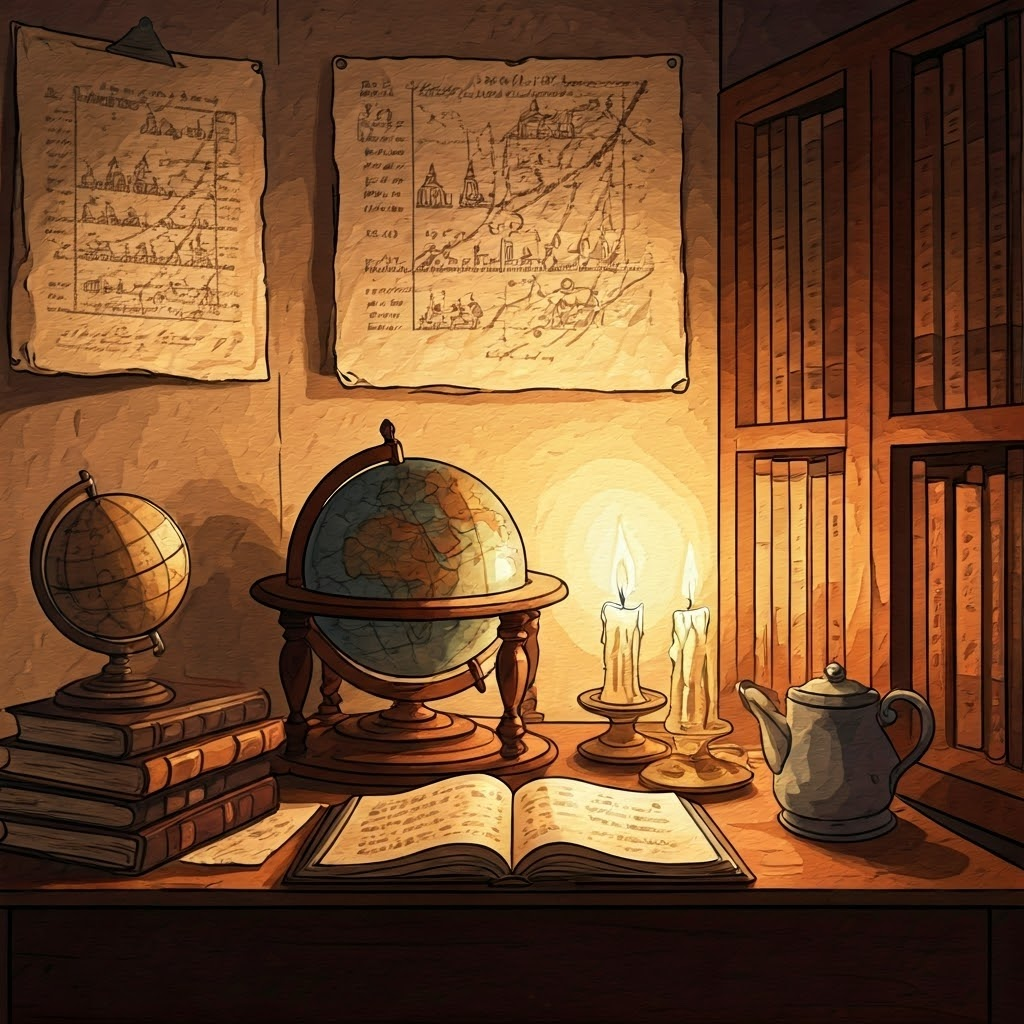
Before the internet, ideas traveled by letters, visits, and word of mouth. Women excelled as connectors. Madame Geoffrin even toured foreign courts, sharing insights with kings and writers. Philosophers like Julie de Lespinasse summarized heated debates and sent them across Europe, keeping conversations alive.
Diaries, such as those of Abigail Adams, record private reactions to new political theories. One entry reads like a checklist: she “Read Rousseau, disagreed with his views on education for girls.” Such notes show women’s active role in shaping public opinion.
The Spark Ignites
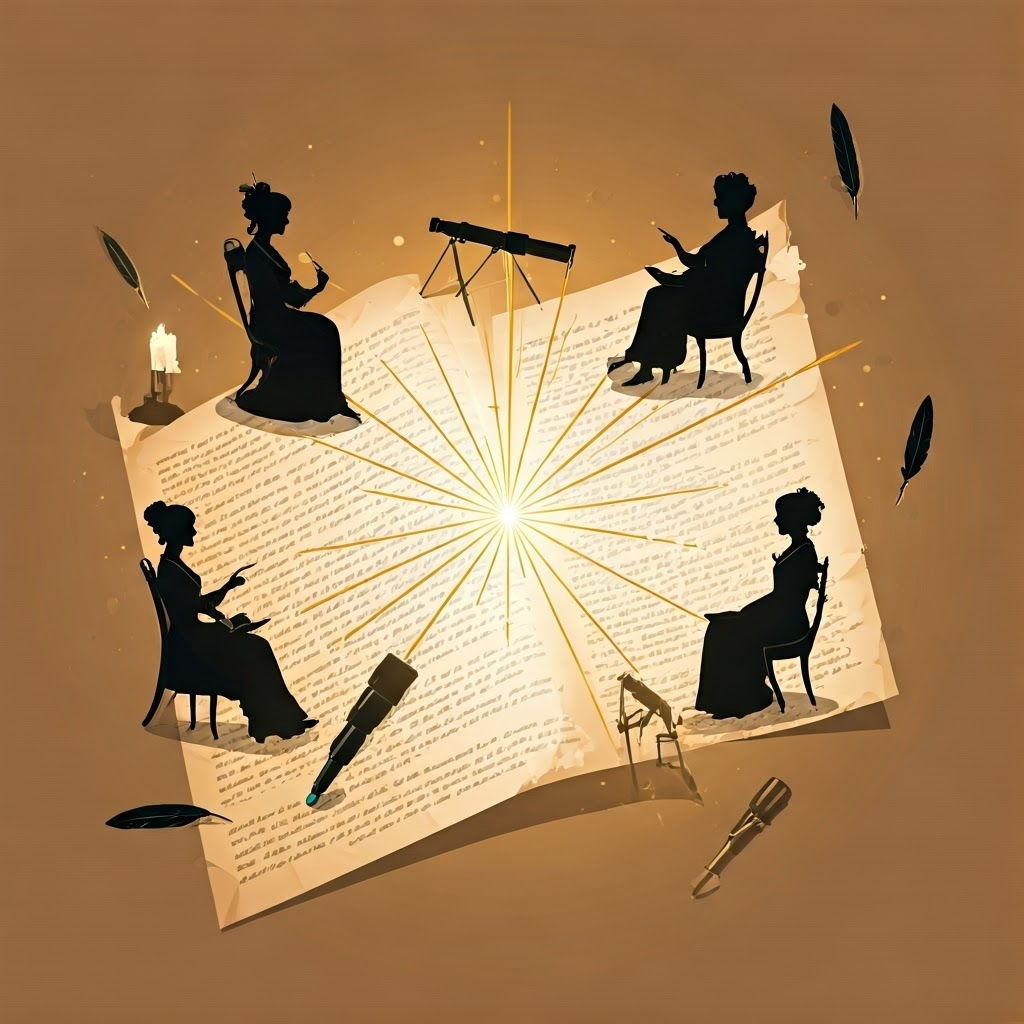
The Age of Reason thrived on networks of people, letters, and ideas. Women like Madame Geoffrin and Émilie du Châtelet created spaces where debate flourished. Their salons were not mere diversions—they were engines of progress.
Amid wars and revolutions, these networks kept ideas alive. Their stories matter because they reveal how transformation often begins in quiet places: a living room, a letter, a conversation over tea. In those modest settings, the spark of change did more than flicker—it caught.
