A Spark of Philosophical Light
A Quick Welcome
Think for a moment about how easily you ask “why?” when you see something new. This simple habit of questioning shapes how we learn. There was a time, though, when asking deeper “why?”—about nature, society, and life—shifted our whole world. That time is known as the Enlightenment.
Today, you’ll step into its beginning. You’ll see how people tested old beliefs and gradually let go of centuries of fixed ideas in search of truth. As you move forward, discover how these changes reached beyond science. They reshaped society and influenced how we see ourselves.
Seeds of Change
If we look back before the Enlightenment claimed its title, we see a world where tradition, not observation explained nature. Many accepted ideas only because they were familiar. For example, people believed heavy objects fell faster just because they had always heard so.
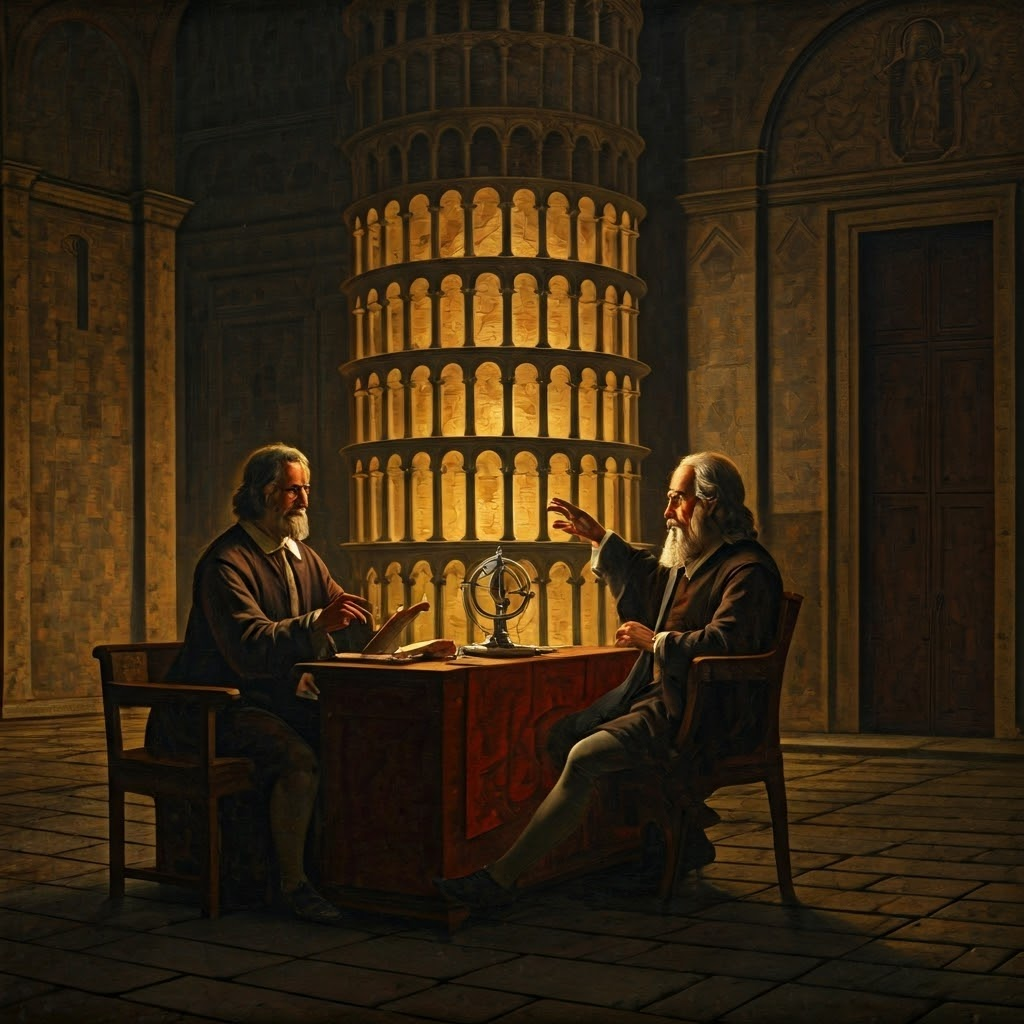
But Galileo Galilei decided to test this. Legend says he dropped objects from the Leaning Tower of Pisa and saw that weight didn’t affect speed. Simple tests like this sparked new doubt in old beliefs. Maybe everything wasn’t how tradition insisted.
Ancient Greek and Roman texts also fueled fresh thinking. Scholars revisited Aristotle, Plato, and Lucretius, not merely to memorize but to question them. They relied on careful observation. Rather than accepting authority, they wanted to see for themselves.
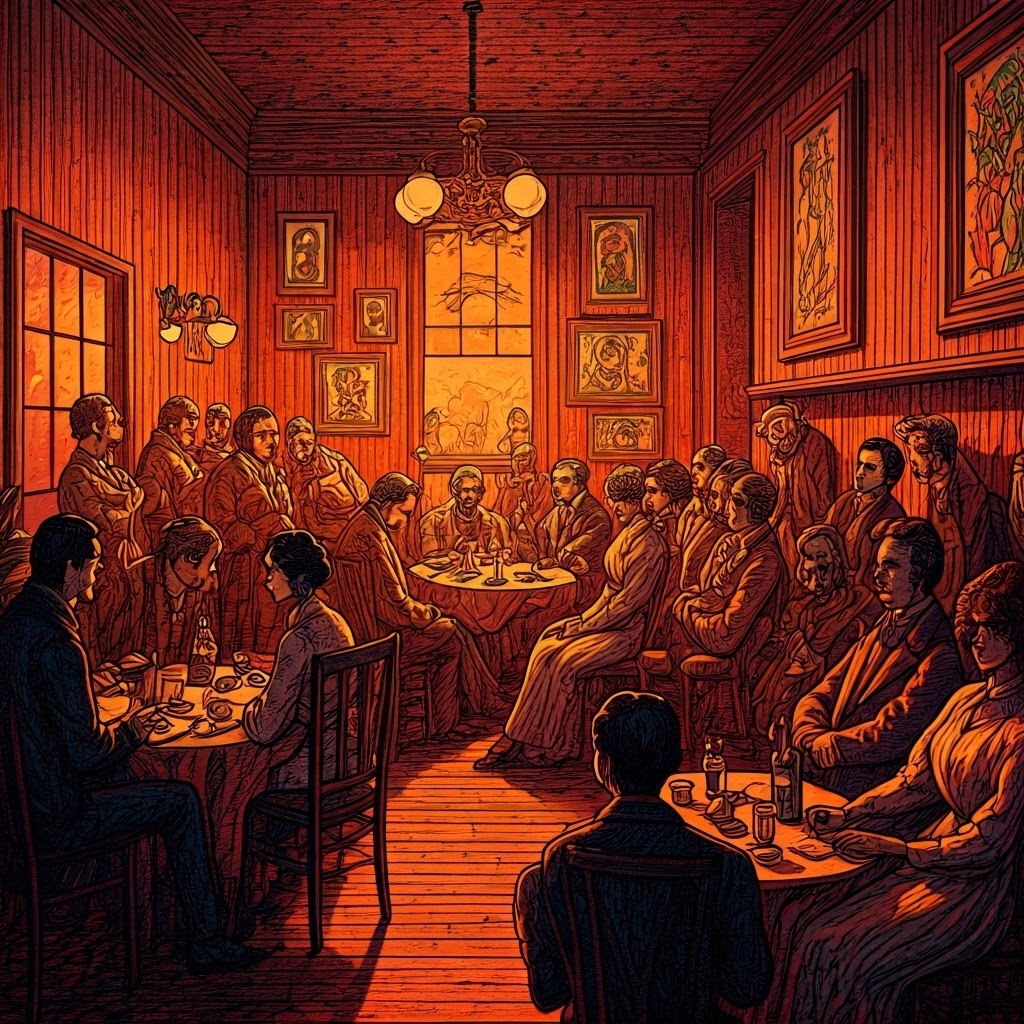
Men and women formed groups, salons, and informal gatherings to share ideas and evidence. More people learned to read, so knowledge slowly escaped monasteries and elite circles. As printing technology advanced, ordinary individuals found new insights on nature and philosophy.
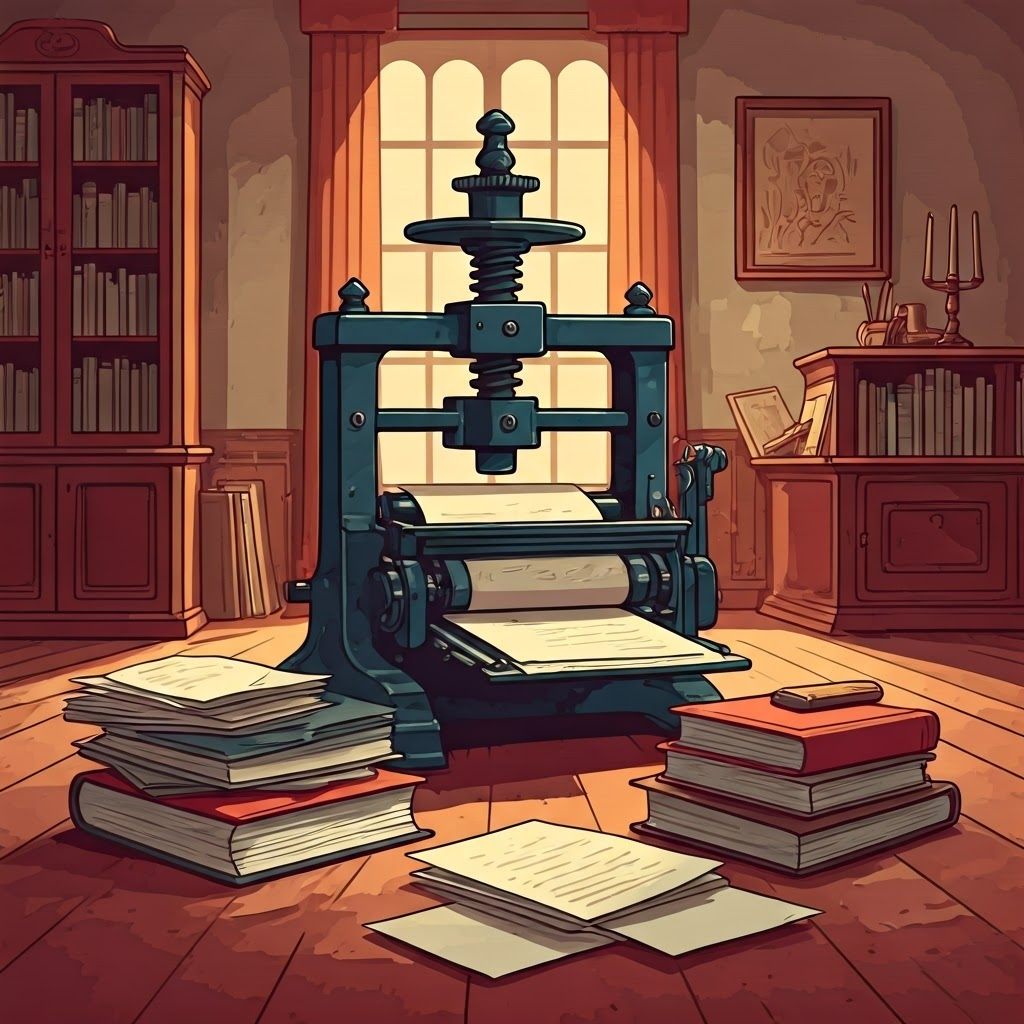
Johannes Gutenberg’s press had started this shift in the 1400s, and by the late 1600s, its effect was huge. Books grew cheaper, and ideas journeyed far. People checked facts, tested old views, and openly questioned once-sacred beliefs. This emphasis on reason set new social norms.
Not everyone was at ease. Monarchies, churches, and guilds relied on old views for their authority. They often distrusted free inquiry. Galileo famously faced house arrest for teaching that Earth orbits the Sun. Such new thinking felt threatening to power structures.
Still, this move toward reason was unstoppable. It was driven by a need to see the world as it is, rather than as tradition claimed. It wasn’t just academic logic. It was human curiosity—asking “why?” and “how?” about everything around us. Even the stars became subjects of study.

This mindset embraced natural laws that could be uncovered through careful inquiry. Experiments in chemistry, biology, physics, and astronomy soon followed. Society, too, began to shift. People turned to reason, open debate, and honest evidence, challenging sacred assumptions.

And this led to breakthroughs across fields. Science advanced quickly, and so did new ways of thinking about politics, religion, and human rights. Knowledge spread in new ways and new places. This was only the major time of transformation’s beginning.
Early Intellectual Circles
Long before the Enlightenment was a defined movement, thinkers formed circles for open discussion. These small groups quietly shifted how people debated and passed on ideas. They met in lecture halls, coffee houses, or homes, exploring philosophy, religion, science, math, or politics.
One famous example was England’s Royal Society. Isaac Newton, Robert Hooke, and Christopher Wren gathered there to test experiments and publish findings. In France, circles formed around René Descartes, who declared “I think, therefore I am.” This call underscored the power of reason.
These gatherings did more than encourage lively talk. They promoted a new way to question established beliefs, backing up ideas with evidence. They opened the door to broader participation, sometimes involving non-scholars or women. Academic life grew more diverse and democratic.

Curiosity as a Human Value
At the center of all these changes was curiosity. Rather than accept tradition, people asked why things worked a certain way and doubted simple explanations. Kepler carefully measured planetary paths. Hooke peered into microscopes. Others tested, observed, and refined theories.
Such curiosity, backed by evidence, chipped away at old certainties. It also introduced a new faith: the idea that reason and observation, done sincerely and in collaboration, could lead us toward truth. This spark of philosophical light grew stronger, unveiling new roads ahead.