
Building Strong Foundations: How We Make Places Safer
Why Adaptation Starts at Home
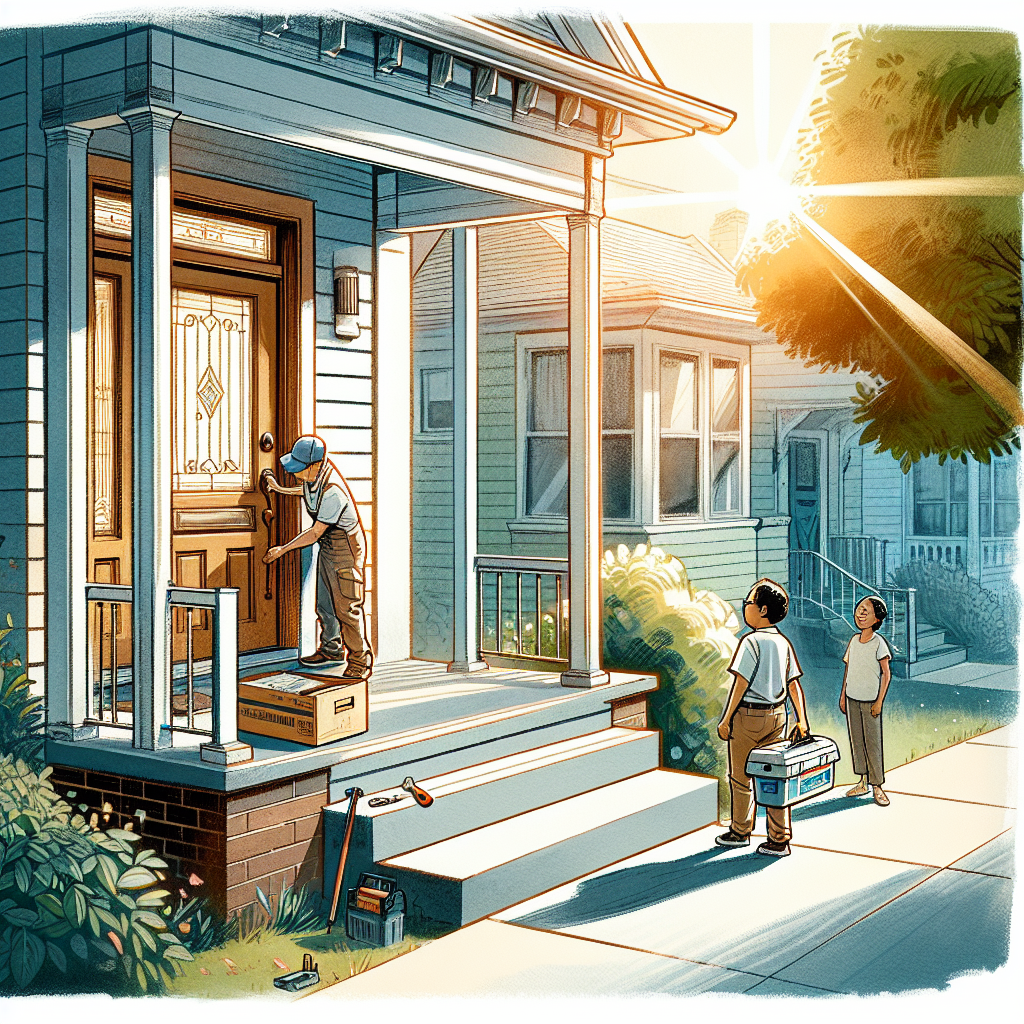
Hotter summers and heavier rain show that climate shifts are already on our doorsteps. Adaptation begins on the same doorstep. A raised threshold keeps flash floods out, and fresh weather stripping blocks heat and cold. These small fixes slow water and air that always chase the easiest path.
Why Adaptation Starts at Home
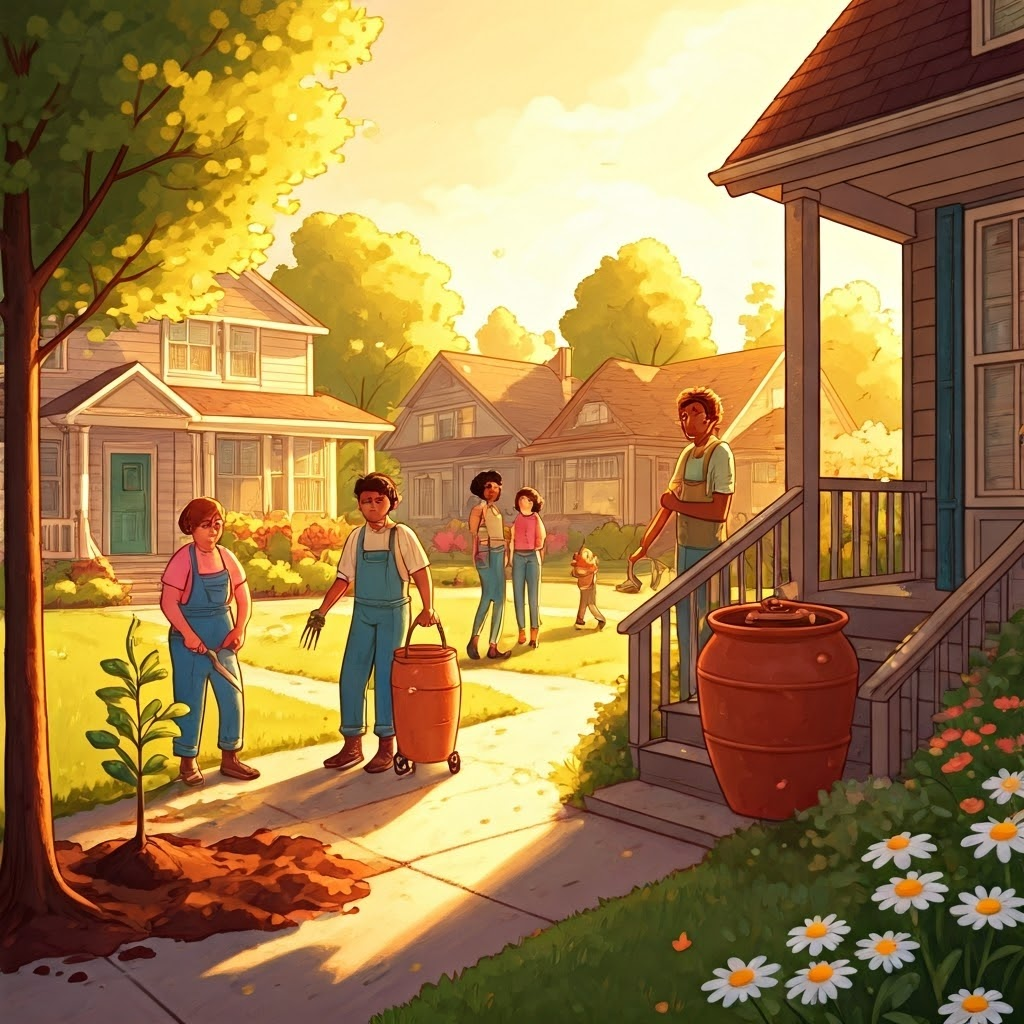
One neighbor plants a tree, another sets up a rain barrel, and the street feels cooler and drier after storms. These personal steps stack and shield the whole block. Research shows every dollar put into simple risk reduction saves six in future damage, proving small choices deliver value.
Flood-Proofing and Staying Cool
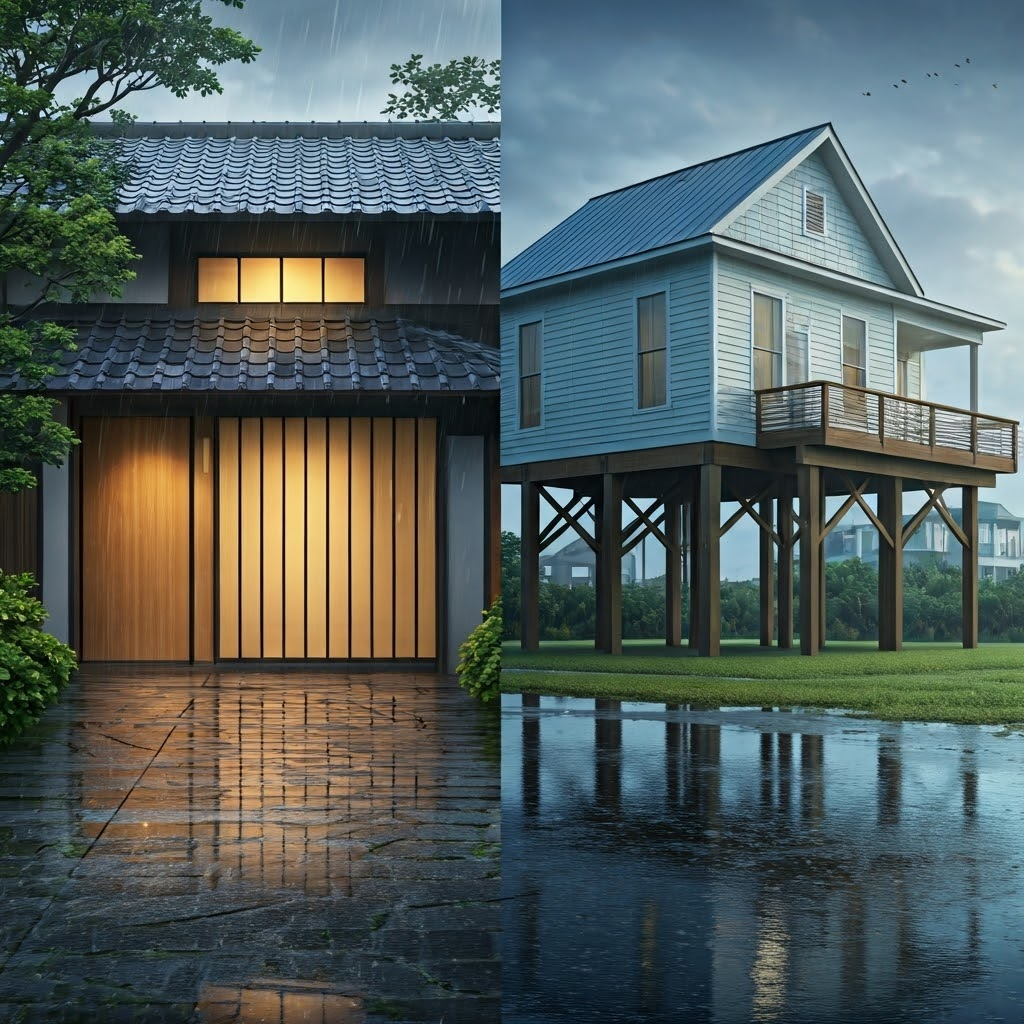
Living in a wet region means flood-proofing can spare your floors and peace of mind. Builders raise homes on stilts, add concrete or tile, and install pumps to send leaks outside. In Japan, sliding entry gates block surges, while Gulf Coast houses stand tall to let water flow beneath.
Flood-Proofing and Staying Cool
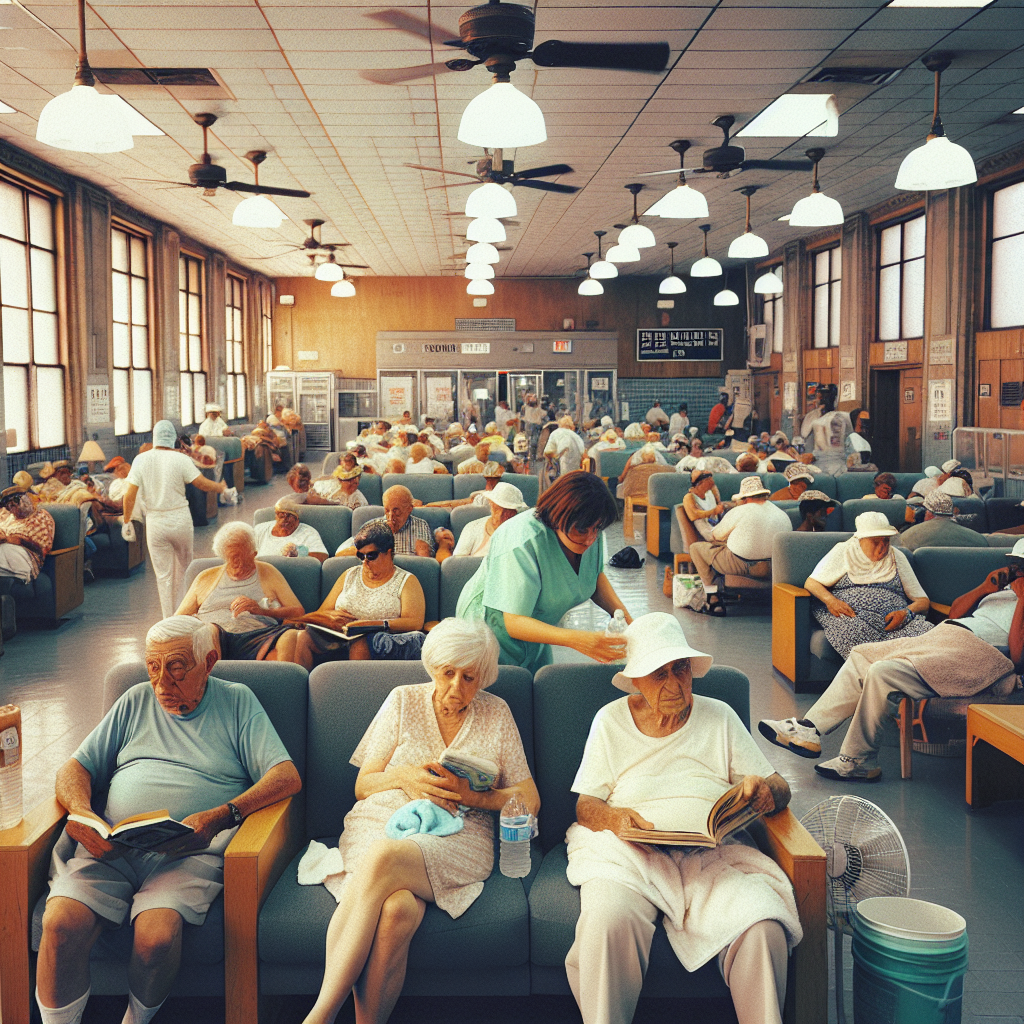
When heat waves roll in, cities open cooling centers in libraries, churches, and malls. Inside, air-conditioning keeps temperatures safe for children and older adults. At home, light roofs reflect sun, and shaded patios create breezy pockets. Together, these designs turn deadly heat into manageable weather.
Solutions work only when they match local risks. Flood barriers help little in deserts, and cooling centers fail if they are hard to reach. Communities blend local know-how with modern design, choosing what fits best and building resilience.
Greener Cities, Smarter Streets
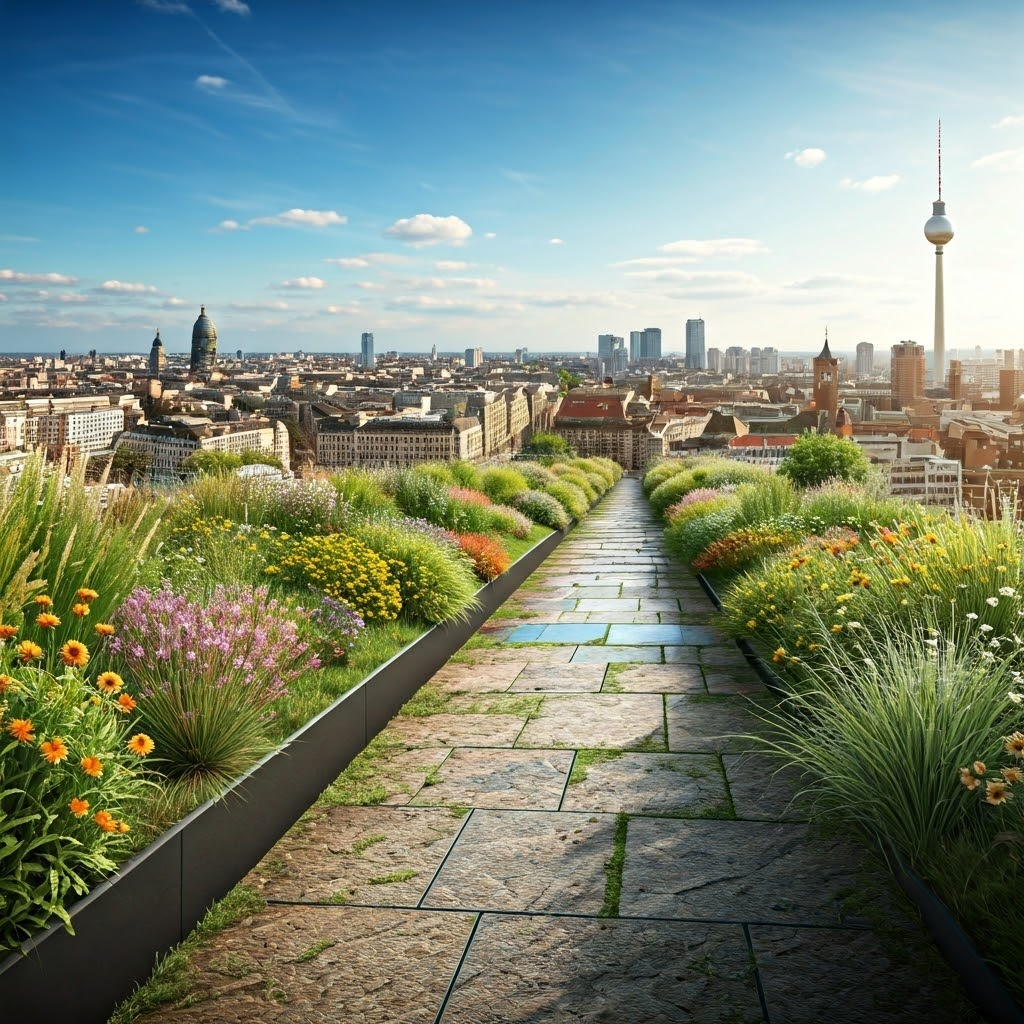
A city behaves like a living system. Green roofs cover buildings with sedum and flowers that soak rain, cool air, and give pollinators space. On hot days they can cut energy use by 75 percent and lower urban temperatures by about 2 °C, easing the urban heat burden.
Greener Cities, Smarter Streets
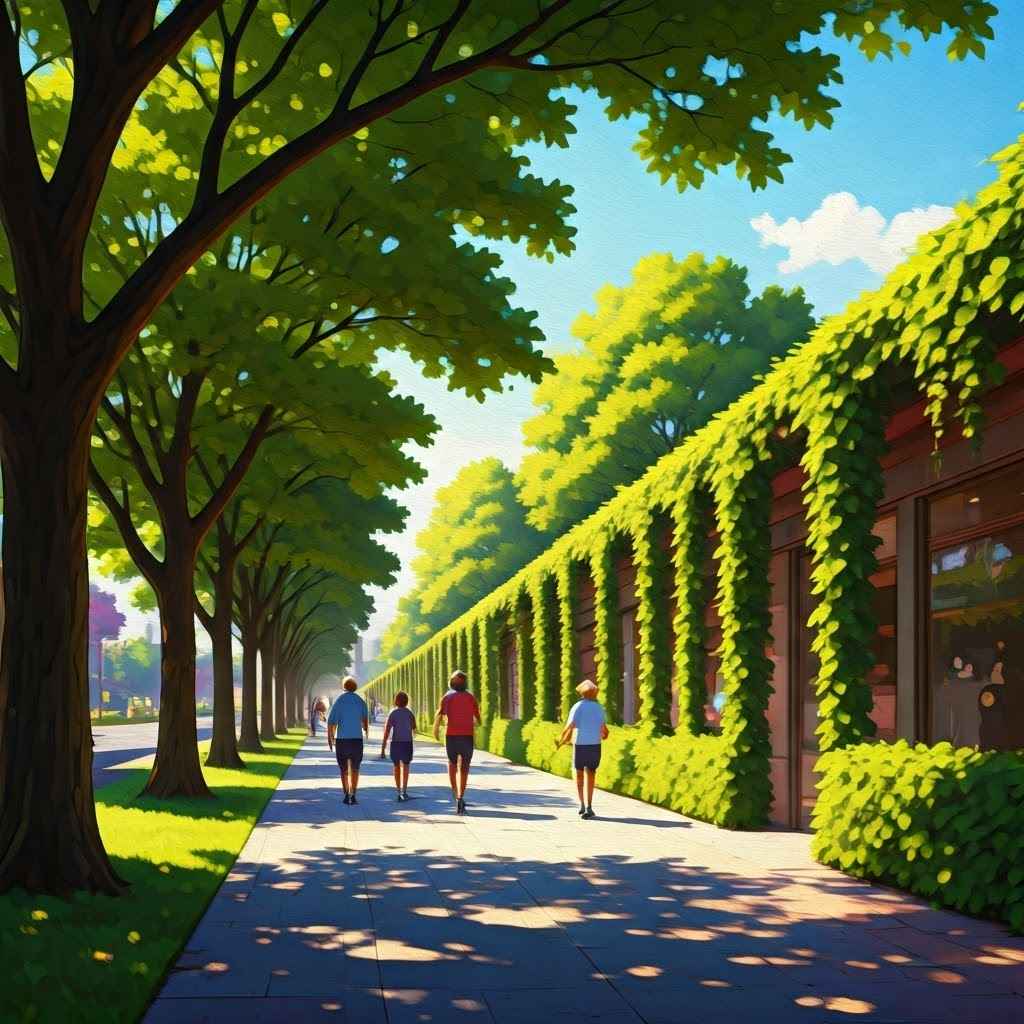
Traditional asphalt sheds water like plastic. Permeable pavement made from porous stone or recycled rubber lets rain sink into soil. Chicago’s porous alleys now flood less and generate fewer emergency calls during storms, proving that smarter streets reduce flooding.
A Dutch Masterclass: The Delta Works
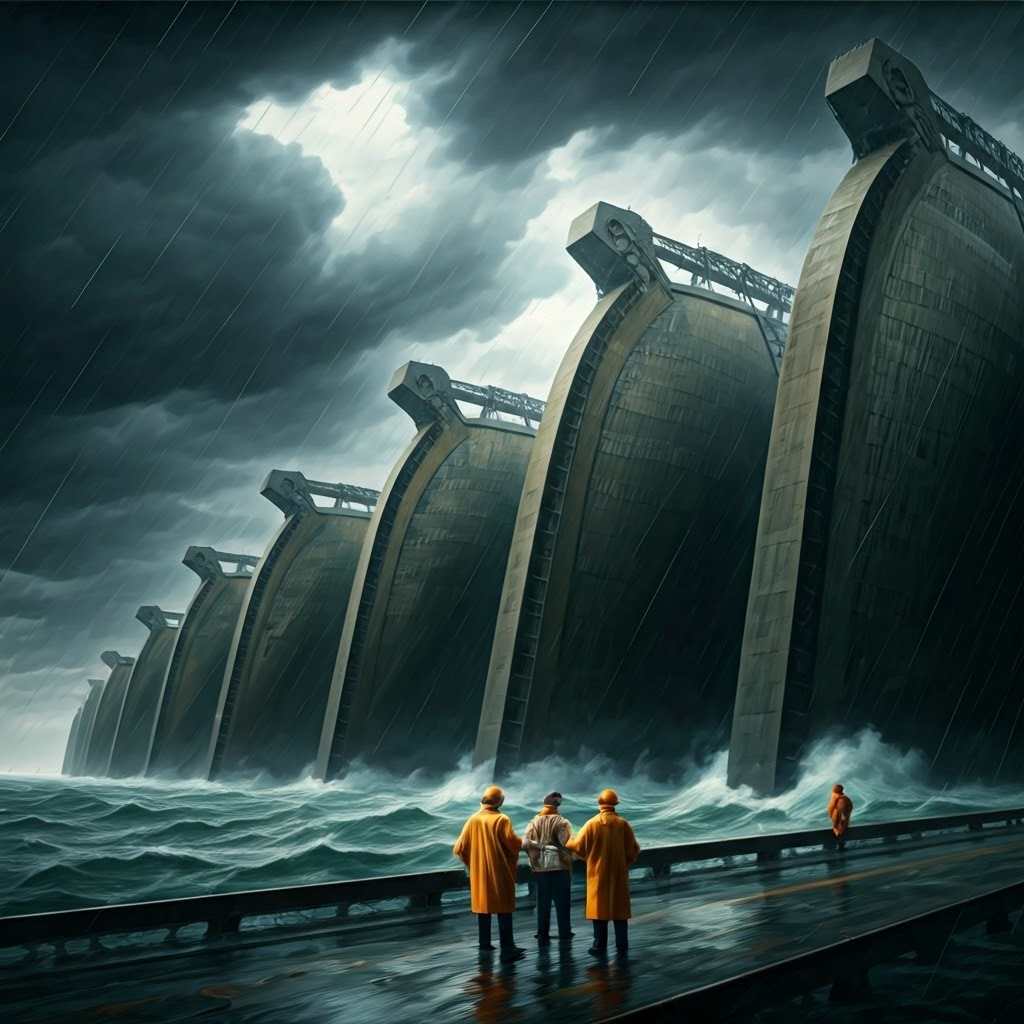
Sometimes adaptation needs large-scale vision. One-third of the Netherlands lies below sea level. After the 1953 flood killed 1,800 people, the nation built the Delta Works—an interconnected set of dams, surge barriers, and sluices that tame rivers and block the sea.
The Maeslant Barrier swings shut like giant robotic arms when storms loom, while the Oosterschelde Barrier closes only during extreme tides to protect marine life. The system inspired Venice’s MOSE and New Orleans’ levees, showing how clever engineering can guard entire regions.
The Dutch paired technology with community planning. They built backup systems, funded constant maintenance, and invited farmers, engineers, and city residents into every decision. Treating water management as a shared task built trust and stronger safety.
From a raised doorstep to monumental sea gates, real security comes from looking ahead, learning from local voices, and working together. Adaptation is not reaction but an ongoing choice to shape places so everyone can weather the unexpected.
